

The Ultimate Guide to Salicylic Acid Cleansers
Why a Salicylic Acid Cleanser Belongs in Your Skincare Routine
A salicylic acid cleanser is one of the most effective over-the-counter tools for clearing clogged pores, reducing breakouts, and controlling excess oil - without a prescription.
Here are the formula features worth knowing about before you choose one:
| Formula Feature | Key Benefit | Best For |
|---|---|---|
| 2% salicylic acid | Maximum over-the-counter BHA strength for clogged pores and breakouts | Oily, acne-prone skin |
| Barrier-supporting ingredients | Helps reduce dryness and maintain a healthy skin barrier | Daily use and combination skin |
| Soothing ingredients | Helps calm the look of redness and irritation | Sensitive, breakout-prone skin |
| Hydrating humectants | Helps prevent the tight, stripped feeling some acne cleansers cause | Dry or dehydrated acne-prone skin |
| Fragrance-free or low-irritant formulas | Reduces the risk of unnecessary irritation | Reactive or easily sensitized skin |
| Non-comedogenic formulas | Helps avoid pore-clogging residue | All breakout-prone skin types |
| Sulfate-free cleansing systems | Cleanses without harsh stripping | Daily cleansing routines |
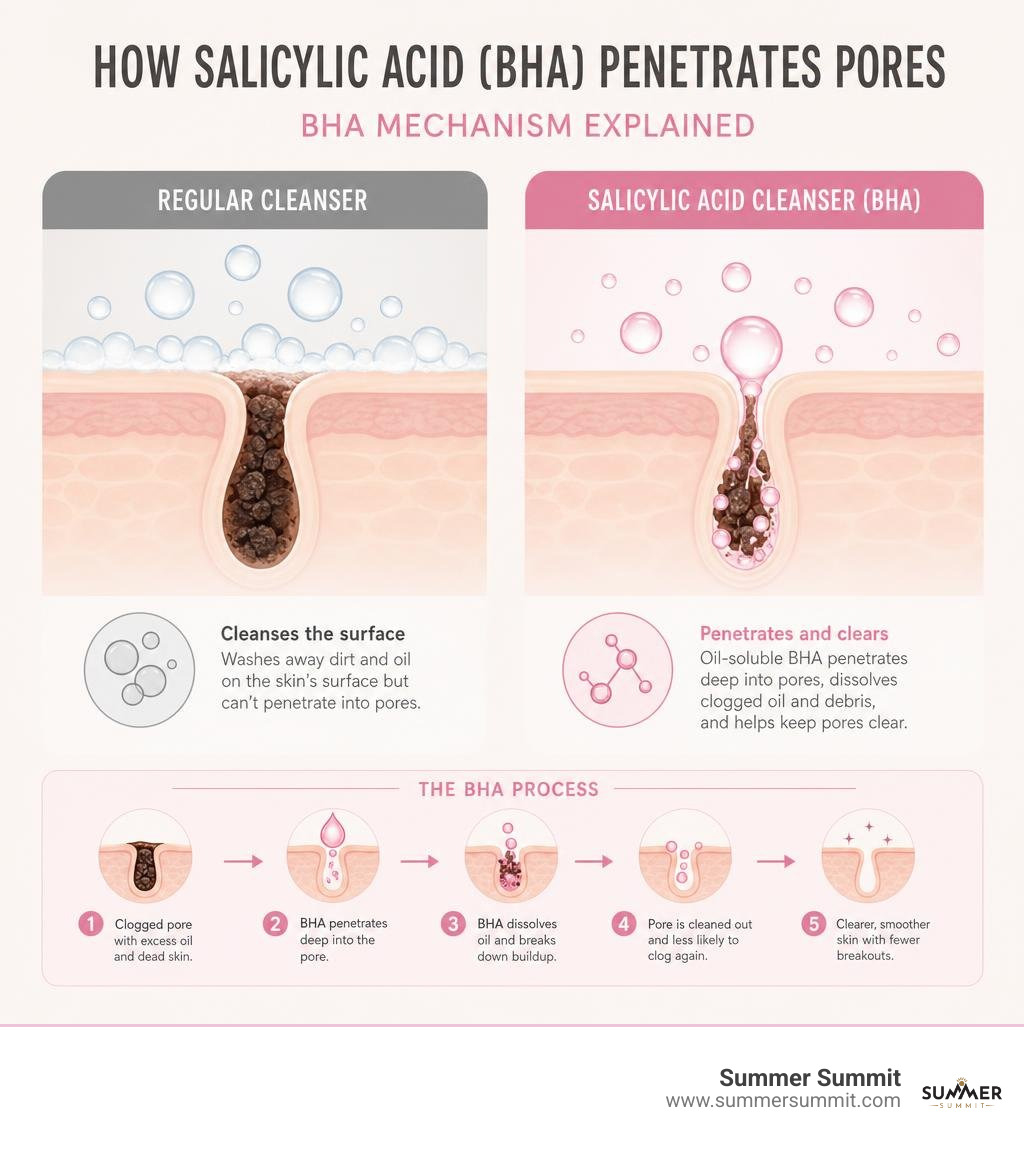
If you've been dealing with persistent breakouts despite trying product after product, you're not alone. The frustrating reality is that most cleansers just sit on the surface of your skin. Salicylic acid is different. It's oil-soluble, which means it can actually penetrate inside the pore - not just clean around it.
Clinical studies back this up. In one 28-day study, a 2% salicylic acid cleanser reduced the visible appearance of blemishes by 71% with twice-daily use.
I'm Robert McCann, founder of Summer Summit Skincare, where I've worked directly with labs on evidence-based formulations - including developing a salicylic acid cleanser built specifically for daily use without irritation or barrier damage. In this guide, I'll break down exactly what to look for, what to avoid, and which formulas actually deliver results.
The Science Behind a Salicylic Acid Cleanser
To understand why a salicylic acid cleanser is so effective, we have to look at how it differs from other exfoliating acids. In the beauty world, chemical exfoliants are generally divided into two main categories: Alpha Hydroxy Acids (AHAs) and Beta Hydroxy Acids (BHAs).
While AHAs (like glycolic or lactic acid) are water-soluble and work primarily on the skin's surface to sweep away dead skin cells, salicylic acid is a BHA. Its defining superpower is that it is oil-soluble. This unique chemical structure allows it to bypass surface moisture, cut directly through excess sebum, and sink deep into the lining of your pores.
Once inside the pore, salicylic acid goes to work by breaking down the "glue" that binds dead skin cells and sebum together. According to peer-reviewed Clinical research on salicylic acid, this targeted action makes it an incredibly powerful agent for reducing acne lesions and calming localized inflammation. By choosing a wash-off cleanser formulation, you get all of these deep-cleaning benefits with a significantly lower risk of irritation compared to leave-on treatments. For a deeper look at how this superstar BHA interacts with your biology, you can read our guide on Salicylic Acid and Your Skin.
How Beta Hydroxy Acids Exfoliate Clogged Pores
Inside your skin, sebaceous glands constantly produce sebum (your skin's natural oil). When sebum production goes into overdrive, it mixes with shedding dead skin cells. This mixture forms a sticky plug that suffocates the pore, creating the perfect, oxygen-deprived environment for acne-causing bacteria to thrive.
Salicylic acid acts as a keratolytic agent. This means it softens and dissolves keratin, the protein that forms the structure of your skin's outer layer. By breaking down this keratin and loosening the cellular debris inside the pore, it prevents the formation of microcomedones—the microscopic precursors to blackheads, whiteheads, and painful pimples.
Regular physical scrubs can scratch the skin and spread bacteria, but chemical exfoliation is much gentler. If you have ever wondered, "What Does an Exfoliant Do to My Skin," the answer is simple: it safely accelerates your skin's natural shedding process to reveal a fresh, healthy layer underneath. To learn more about how this chemical shedding keeps your complexion glowing, check out our breakdown of the Benefits of Exfoliating.
What Percentage of a Salicylic Acid Cleanser is Most Effective?
When shopping for a salicylic acid cleanser, you will typically find concentrations ranging from 0.5% to 2% on over-the-counter shelves.
- 0.5% to 1% Concentrations: These lower strengths are ideal for individuals with dry, sensitive, or reactive skin. They offer mild exfoliation and help keep pores clear without triggering redness or flaking.
- 2% Concentration: This is the maximum over-the-counter strength allowed by law and is widely considered the gold standard for treating active acne and oily skin.
Dermatologists consistently recommend a 2% concentration for those struggling with stubborn blackheads and frequent breakouts. However, the overall effectiveness of the cleanser doesn't just depend on the percentage of BHA; the formula's pH level and supporting ingredients play a massive role in how well your skin tolerates it. For a complete breakdown of strengths and formulation science, explore our Salicylic Acid Face Wash Complete Guide.
How to Choose the Best Formula for Your Skin Type
Your skin type is the ultimate roadmap for choosing the right skincare products. Because salicylic acid is inherently oil-absorbing, a poorly formulated cleanser can easily strip away your skin's natural lipids, leaving you with a compromised skin barrier and tight, uncomfortable skin.
- Oily Skin: If your face resembles a shiny glazed donut by midday, your skin can easily tolerate a foaming gel or clay-based 2% salicylic acid cleanser twice a day. Look for formulas that contain purifying clays (like hectorite or kaolin) to help control surface shine.
- Combination Skin: Combination skin requires a delicate balancing act. You need enough BHA to clear out your oily T-zone (forehead, nose, and chin) without drying out your cheeks. For tailored advice, read our guides on the Best Salicylic Acid Face Wash for Combination Skin and our Salicylic Acid Cleanser Guide Combination Skin.
- Sensitive Skin: If your skin flushes easily, look for cream-based cleansers with a lower BHA percentage (0.5% to 1%) or formulas that use gentle, botanical alternatives like willow bark extract.
- Dry Skin: Yes, dry skin types can get acne too! If this is you, opt for a nourishing, cream-textured cleanser that pairs salicylic acid with rich humectants and lipids to protect your skin barrier.
Key Ingredients to Pair with BHA to Prevent Dryness
To prevent the dreaded "tight and dry" feeling after washing, the best BHA cleansers are balanced with hydrating, soothing, and barrier-restoring ingredients:
- Ceramides: These essential lipids make up about 50% of your skin barrier. When included in an acne wash, they lock in moisture and protect your skin from drying out.
- Hyaluronic Acid & Glycerin: These powerful humectants draw water into the skin, keeping it plump and hydrated during the exfoliation process.
- Niacinamide (Vitamin B3): Niacinamide is a fantastic partner for salicylic acid. It helps calm redness, reduces transepidermal water loss (TEWL), and regulates sebum production.
- Allantoin & Centella Asiatica (Cica): These botanical powerhouses soothe irritated skin and accelerate the healing of active blemishes.
Choosing a balanced formula ensures you can achieve clear skin without sacrificing hydration. Learn more about maintaining this equilibrium in our guide to Skin Care Cleansing Without Drying Skin and explore our Gentle Cleanser Ultimate Guide 2026.
How to Safely Use a Salicylic Acid Cleanser Every Day
Can you use a salicylic acid cleanser every single day? The short answer is yes—but only if your skin barrier is healthy and the formula is gentle.
If you are new to BHAs, we highly recommend starting slowly. Begin by using your active cleanser two to three nights a week. If your skin doesn't show any signs of redness, peeling, or irritation after a fortnight, you can gradually increase usage to once daily, and eventually twice daily (morning and night) if tolerated.
For those with sensitive or dry skin, incorporating your BHA wash into a structured Skin Cycling Routine is a brilliant way to reap the benefits of chemical exfoliation without overworking your skin. Additionally, you can check out our practical Tips to Take Care of Oily Skin Daily to keep your complexion balanced year-round.
Comparing Different Types of Acne-Fighting Cleansers
Not all salicylic acid cleansers are created equal. The texture and base of your face wash dictate how it interacts with your skin and how thoroughly it cleanses.
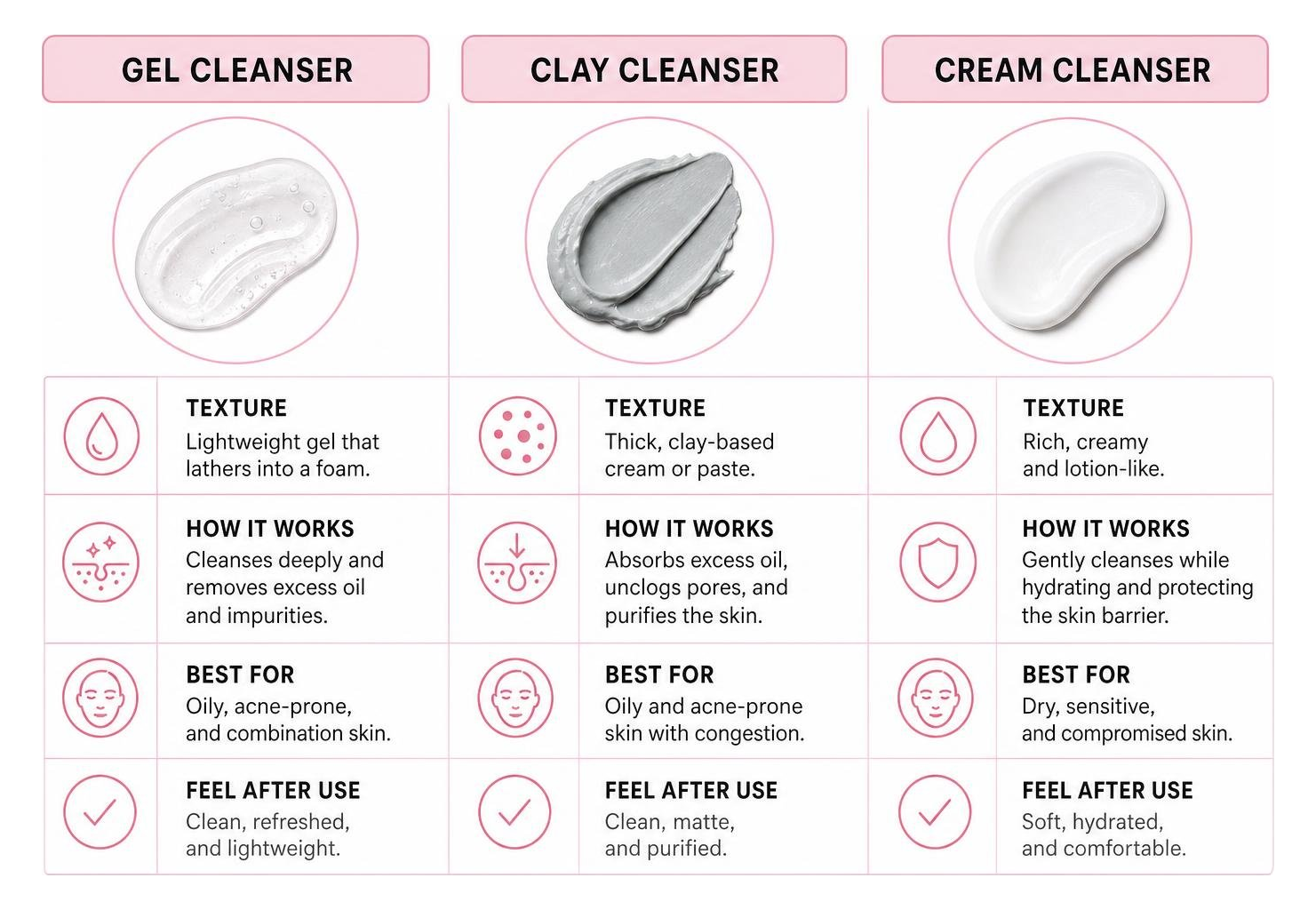
To help you choose the right texture for your daily routine, we've broken down the three most common formulations:
| Cleanser Texture | How It Works | Best For |
|---|---|---|
| Gel-to-Foam | Lightweight gel that lathers into a gentle foam to sweep away surface oils and deep-seated grime. | Oily, acne-prone, and combination skin types. |
| Clay-to-Foam | Infused with natural clays (like kaolin or hectorite) to absorb excess sebum and minimize mid-day shine. | Extremely oily skin and congested pores. |
| Cream Cleansers | Rich, non-foaming emulsion that delivers active BHA while wrapping the skin in protective moisture. | Dry, sensitive, and mature skin struggling with breakouts. |
Clinical-Grade vs. Mass-Market BHA Cleansers
When navigating the skincare aisles, you will find a distinct divide between clinical-grade (dermatologist-formulated) and mass-market BHA cleansers.
While mass-market drugstore cleansers are highly accessible, they often contain synthetic fragrances, sulfates, and harsh foaming agents (like sodium lauryl sulfate) that can strip your skin and trigger inflammation. Clinical-grade cleansers, on the other hand, prioritize ingredient purity, optimal pH levels, and clean formulations free from unnecessary fillers.
Investing in a high-quality, cleanly formulated cleanser is essential for long-term skin health. To understand what sets premium formulas apart, dive into our Exfoliating Cleanser Ultimate Guide 2026 and check out our curated Best Exfoliating Cleanser Guide 2026.
Salicylic Acid vs. Benzoyl Peroxide
If you are fighting acne, you have likely run across both salicylic acid and benzoyl peroxide. While both are incredibly effective, they target acne in completely different ways:
- Salicylic Acid (BHA): As an oil-soluble exfoliant, BHA focuses on clearing out the physical blockages (sebum and dead skin) inside your pores. It is highly effective for non-inflammatory acne, such as blackheads, whiteheads, and bumpy skin texture.
- Benzoyl Peroxide (BPO): Benzoyl peroxide is an antimicrobial agent. It works by introducing oxygen into the pores, which kills the anaerobic bacteria (C. acnes) responsible for inflammatory acne. It is best suited for red, painful, pus-filled pimples and cystic breakouts.
Because benzoyl peroxide can be highly drying and can bleach your towels and clothing, many people find a salicylic acid cleanser to be a much more comfortable and practical daily option. For a broader look at medical acne therapies, you can read the WebMD on acne treatments and explore our comprehensive guide on Acne Skincare.
How to Integrate a BHA Wash Into Your Skincare Routine
To get the absolute most out of your BHA wash, you need to layer your products in the correct order. Applying your skincare in the wrong sequence can render your active ingredients useless or, worse, cause severe irritation.
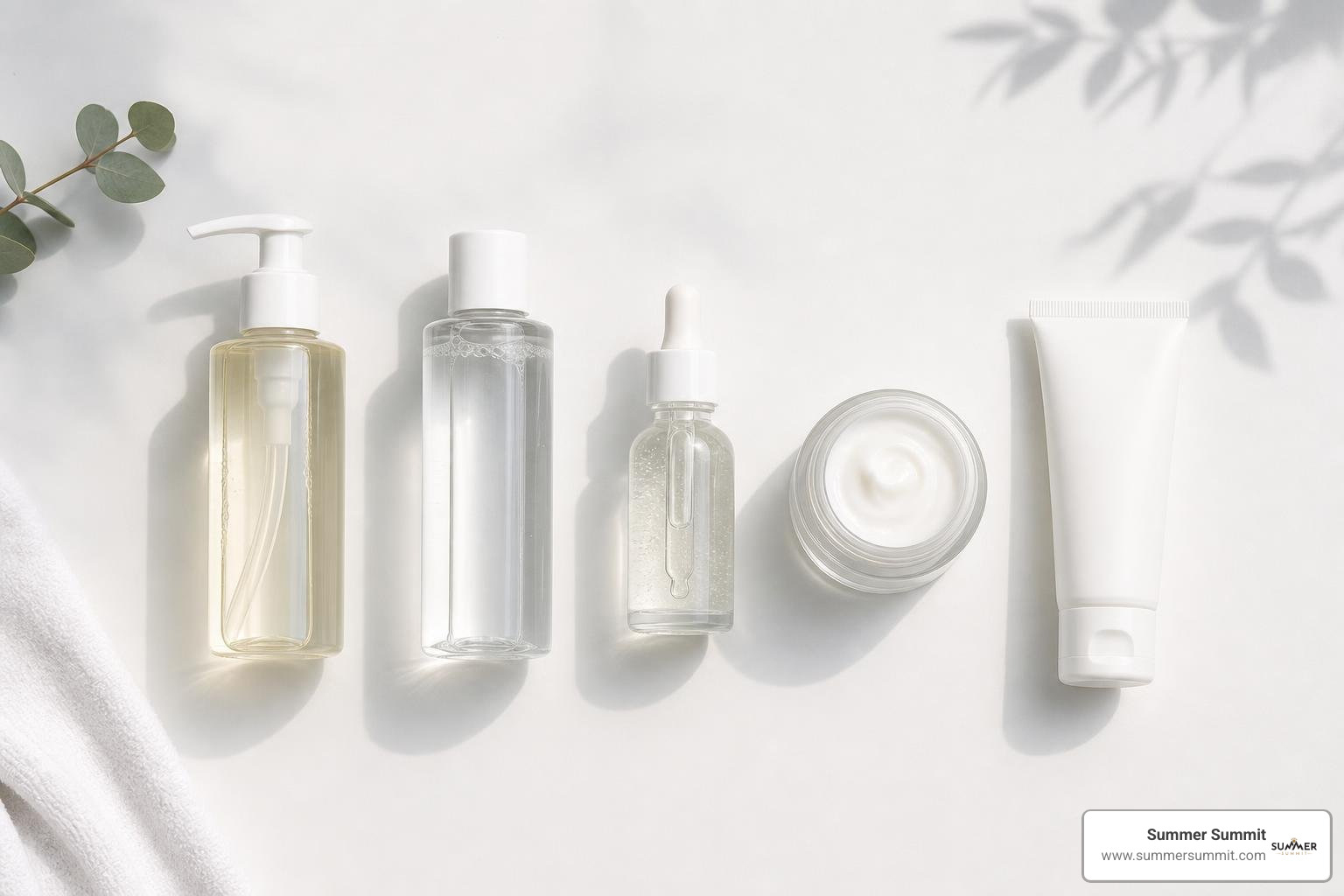
Your daily routine should always follow this basic structure:
- Cleanse: Wash with your salicylic acid cleanser to clear the canvas.
- Tone: Apply a hydrating, alcohol-free toner to balance your skin's pH.
- Treat: Apply targeted serums (like niacinamide, hyaluronic acid, or prescribed acne treatments).
- Moisturize: Lock in hydration with a lightweight, non-comedogenic moisturizer.
- Protect (AM): Always finish your morning routine with a broad-spectrum sunscreen of SPF 30 or higher.
To build a flawless regimen from scratch, read our step-by-step Acne Skincare Routine and master the classic rules of Cleanse Exfoliate Tone Moisturize.
Step-by-Step Application Guide
How you wash your face matters just as much as the product you use. To ensure the active salicylic acid has enough time to penetrate your pores, follow these simple steps:
- Step 1: Wet your face with lukewarm water (never hot, as hot water strips your natural lipid barrier).
- Step 2: Dispense a dime-sized amount of your BHA cleanser onto your clean hands and work it into a gentle lather.
- Step 3: Apply the lather to your damp face and gently massage it in circular motions for 30 to 60 seconds. Focus on congested areas like your nose, chin, and forehead, while avoiding the delicate skin around your eyes.
- Step 4: Rinse thoroughly with lukewarm water, ensuring no active residue is left behind.
- Step 5: Gently pat your skin dry with a clean, soft towel—never rub!
For a deeper dive into proper cleansing techniques, check out our Cleanse Then Exfoliate Complete Guide and our article on how to Clean and Exfoliate safely.
Treating Body Acne on the Back and Chest
Salicylic acid cleansers are not just for your face! Because body skin is thicker and can suffer from severe congestion, a BHA face wash makes an excellent, gentle treatment for "bacne" (back acne), chest breakouts, and even keratosis pilaris (the rough, bumpy "chicken skin" often found on the backs of arms).
Unlike harsh body scrubs that scratch and inflame the skin, a BHA wash chemically dissolves the rough patches and clogged pores. Simply apply your salicylic cleanser to the affected areas of your body while showering, let it sit for a minute to work its magic, and rinse thoroughly. For a dedicated body routine, check out our guide on choosing a Salicylic Acid Based Body Wash.
Frequently Asked Questions About BHA Cleansers
Can I use BHA during pregnancy or breastfeeding?
Generally speaking, high-percentage leave-on salicylic acid treatments are not recommended during pregnancy or breastfeeding. However, low-percentage, rinse-off BHA cleansers are widely considered safe by many dermatologists because very little of the active ingredient is absorbed into the bloodstream.
That said, some brands (especially those incorporating natural wintergreen-derived salicylic acid or essential oils) advise against BHA use during pregnancy as a precaution. We always recommend consulting with your obstetrician or dermatologist before introducing active chemical exfoliants into your pregnancy skincare routine.
What is skin purging and how long does it last?
When you first introduce an active ingredient like salicylic acid to your routine, it speeds up your skin's cellular turnover rate. This causes underlying, pre-existing clogged pores to rise to the surface much faster than usual.
This temporary flare-up is known as "skin purging." It can look like a sudden wave of small whiteheads or breakouts in areas where you typically get pimples. The good news? Purging is completely normal and is a sign that the product is doing its job! A typical purge lasts anywhere from two to four weeks. If your breakouts persist past the six-week mark—or occur in entirely new areas of your face—it may be a reaction to the formula itself rather than a true purge.
Does BHA increase sun sensitivity?
Because salicylic acid exfoliates the outermost layer of dead skin cells, it leaves your fresh, new skin more vulnerable to ultraviolet (UV) radiation.
To protect your skin from sun damage, premature aging, and dark spots (post-inflammatory hyperpigmentation), it is non-negotiable to apply a broad-spectrum sunscreen of SPF 30 or higher every single morning. Even if you only use your BHA cleanser in your evening routine, daily sun protection remains absolutely essential.
Conclusion
Finding the right salicylic acid cleanser can completely transform your relationship with your skin. By clearing out deep-seated impurities, balancing sebum production, and gently smoothing away rough texture, a well-formulated BHA wash paves the way for a clear, radiant, and healthy complexion.
At Summer Summit, we believe that acne care should never come at the expense of your skin's health. That is why our dermatologist-formulated skincare products are 100% cruelty-free, vegan, and completely free from sulfates, parabens, and synthetic irritants. We are so confident in our evidence-based formulas that we offer a 100% satisfaction guarantee along with free shipping on every order.
If you are ready to say goodbye to stubborn breakouts and reclaim your glowing skin, we are here to support you every step of the way. Explore how clear skin can boost your Acne and Self Confidence, read about our Salicylic Acid Cleanser Satisfaction Guarantee, and explore our Salicylic Acid Face Wash Complete Guide to start your journey toward your healthiest skin yet. Have questions? Reach out to our team—we're always here to help!
Dejar un comentario