

Stop Making This Huge Mistake With Your SPF Moisturizer
Why Day Cream Sun Protection Belongs in Every Morning Routine
Day cream sun protection is one of the simplest upgrades you can make to your skincare routine — and one of the most overlooked.
Here's a quick answer if you're short on time:
What does a day cream with SPF do?
| Benefit | What It Means for Your Skin |
|---|---|
| Blocks UV rays | Protects against UVA (aging) and UVB (burning) rays |
| Hydrates | Delivers moisture alongside sun protection in one step |
| Prevents premature aging | Up to 80% of visible skin aging is caused by UV exposure |
| Reduces skin cancer risk | Daily SPF 30+ use can cut skin cancer risk by up to 40% |
| Simplifies your routine | Replaces a separate moisturizer and sunscreen |
Yet only about 30% of Americans use sunscreen on their face every day. That's a problem — because UV damage builds up quietly, even on cloudy days and indoors.
Most people who do use an SPF moisturizer are still making at least one critical mistake that cuts its effectiveness in half. This guide covers what that mistake is, how to fix it, and how to choose the right formula for your skin.
I'm Robert McCann, founder of Summer Summit Skincare, where I've spent years working directly with labs and formulators to develop evidence-based products — including day creams with sun protection designed for long-term skin health. My background in ingredient sourcing and formulation gives me a practical, no-hype perspective on what actually works in SPF moisturizers.
The Critical Mistake: Under-Applying Your Day Cream Sun Protection
Let’s address the elephant in the bathroom mirror: almost everyone is under-applying their SPF moisturizer.
When we use a standard, non-SPF daily moisturizer, we typically apply a pea-sized amount, rub it in until it disappears, and call it a day. If you apply your day cream sun protection the exact same way, you are not getting the SPF number listed on the bottle. In fact, you might only be getting a fraction of the protection.
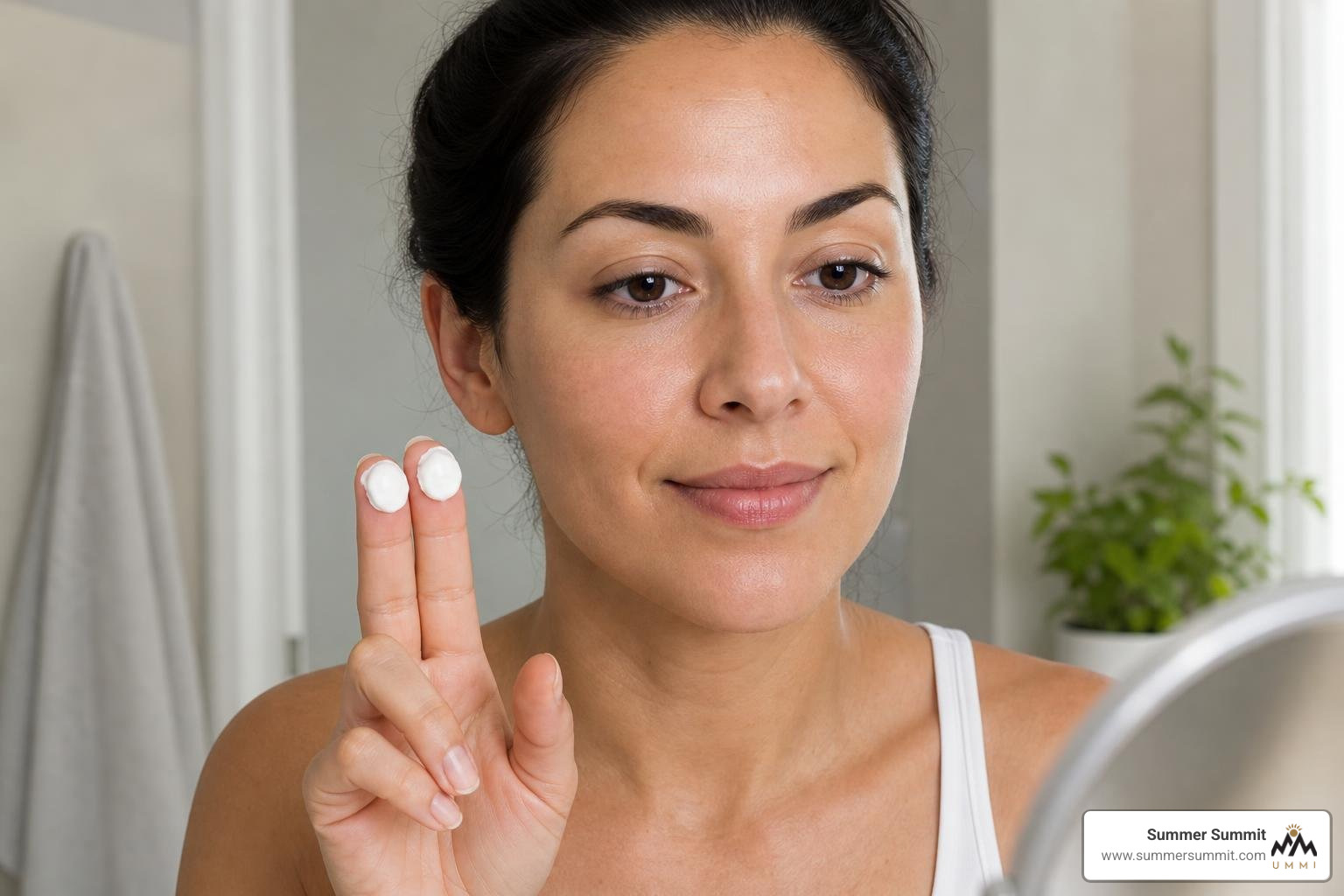
To achieve the actual SPF rating listed on your product’s label, you must apply a generous, even layer. For the face and neck combined, the magic number is approximately 0.3 teaspoons (which is roughly the size of two nickels).
When you apply only a tiny dab, you drastically reduce the product's ability to form a protective barrier. Studies show that under-applying sunscreen can reduce its actual protective effectiveness by up to 50%. This leaves your skin vulnerable to the very things you are trying to prevent: dark spots, wrinkles, and cellular damage.
Furthermore, we must talk about the two-hour rule. Sunscreen filters break down when exposed to direct sunlight. If you apply your SPF moisturizer at 8:00 AM and then spend your lunch hour sitting outside in the bright South Florida sun, your protection has already degraded. While a single morning application is fine if you are staying indoors away from windows, any extended outdoor time requires reapplication every two hours to maintain efficacy.
Making daily sun protection a non-negotiable habit is one of the most powerful steps you can take for your skin. If you need a reminder of why this matters so much, check out these 5 Compelling Reasons to Use Sunscreen Every Day to see how daily protection preserves your skin's youthful structure.
Regular Moisturizer vs. Day Cream with SPF: What is the Difference?
A common question we hear is: "Can’t I just use my regular nighttime moisturizer during the day?"
Technically, you can, but you will be missing out on vital defense mechanisms. The primary difference lies in their formulation goals and how they are regulated.
- Regular Moisturizers: These are designed purely to hydrate, nourish, and repair the skin barrier. They are packed with emollients, humectants, and occlusives that lock in moisture. They are classified as cosmetics.
- Day Creams with SPF: These are multitasking powerhouses. They combine the deep hydration benefits of a traditional moisturizer with active UV filters. Because they contain active ingredients designed to prevent sunburn and reduce the risk of skin cancer, they are regulated by the FDA as over-the-counter drugs. This means they must undergo rigorous testing to prove they deliver the exact level of protection stated on the packaging.
To help you visualize the differences, here is a quick breakdown:
| Feature | Regular Moisturizer | Day Cream with SPF | Dedicated Sunscreen |
|---|---|---|---|
| Primary Purpose | Hydration & barrier repair | Hydration + daily UV protection | High-exposure UV protection |
| FDA Regulation | Cosmetic | Over-the-Counter Drug | Over-the-Counter Drug |
| UV Protection | None | Yes (usually SPF 15 to 50) | Yes (usually SPF 30 to 100+) |
| Texture | Can be heavy, rich, or oily | Lightweight, designed for daily wear | Can range from lightweight to thick/sport-focused |
| Best Used For | Nighttime or under a separate SPF | Standard daily morning routines | Outdoor sports, beach days, heavy sun |
Integrating these products into your morning routine doesn't have to be complicated. For a step-by-step guide on how to layer your products correctly, take a look at our guide on A Simple Daytime Skincare Routine.
Can a Day Cream Sun Protection Formula Replace Dedicated Sunscreen?
Yes, a day cream with SPF can absolutely replace a dedicated sunscreen for your normal, everyday routine—with a few important caveats.
From an efficacy standpoint, an SPF 30 day cream protects your skin exactly the same as an SPF 30 dedicated sunscreen, provided you apply the correct amount (that 0.3-teaspoon rule we mentioned earlier). The FDA regulates both products under the same strict standards.
However, if you plan to spend the afternoon swimming, sweating, or lounging on the beach, a dedicated, water-resistant sunscreen is still your best bet. Most daily moisturizers with SPF are not formulated to be water-resistant, meaning they will wash away easily with sweat or water. For daily trips to the office, running errands, or short walks, a high-quality day cream with SPF 30+ is perfect.
Decoding SPF Levels, Sunscreen Filters, and Key Ingredients
When shopping for day cream sun protection, the ingredient list can look like a foreign language. Let’s decode the science so you know exactly what you are putting on your face.
The Two Types of Sunscreen Filters
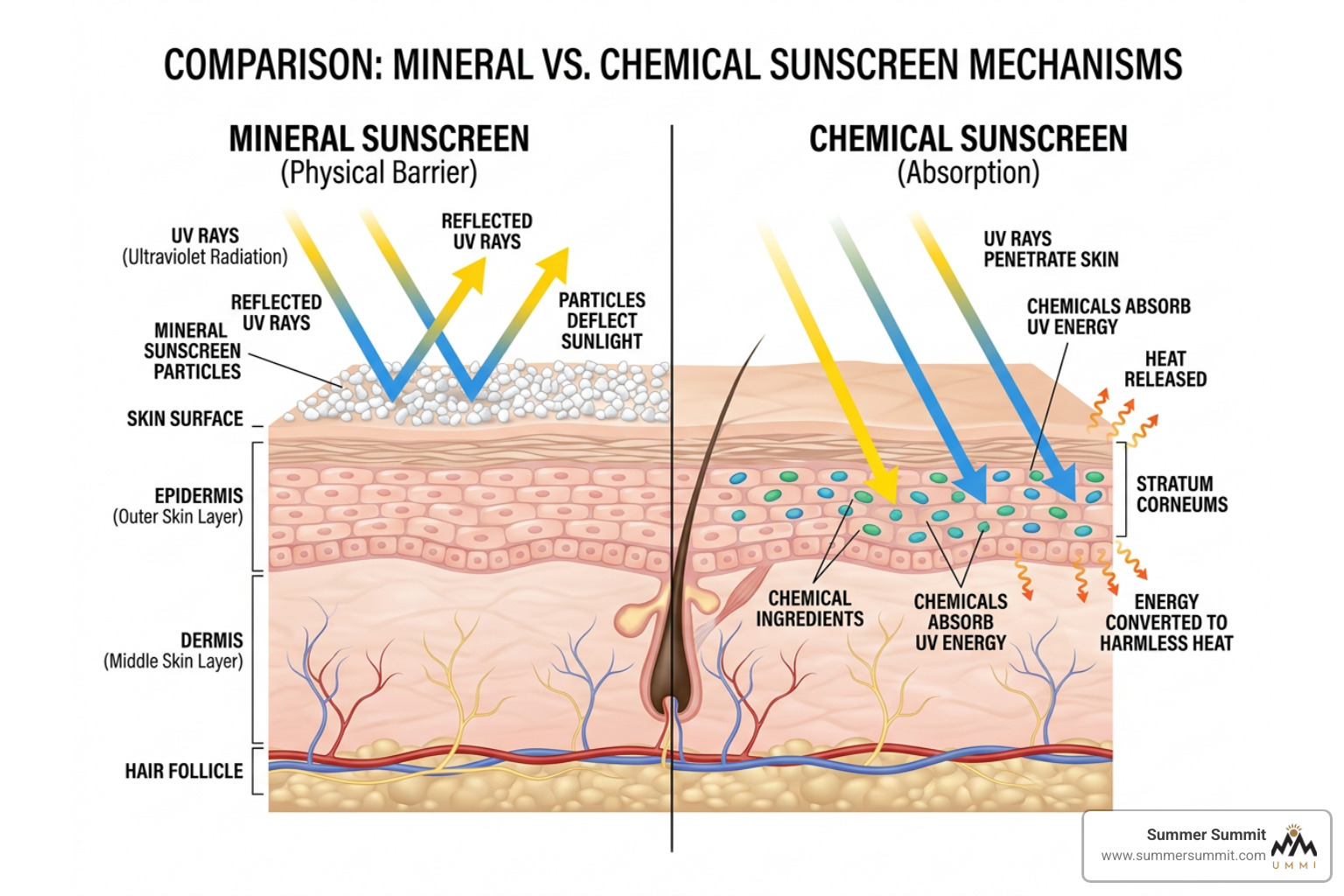
Sunscreen ingredients fall into two main categories: physical (mineral) and chemical.
- Mineral (Physical) Filters: These include Zinc Oxide and Titanium Dioxide. They sit on top of the skin and act like tiny mirrors, reflecting UV rays away from your face. They are incredibly gentle, rarely cause irritation, and are highly recommended for sensitive or acne-prone skin.
- Chemical Filters: These include ingredients like Avobenzone, Octinoxate, Octisalate, and Octocrylene. They absorb UV rays, convert them into harmless heat, and release them from the skin. Chemical formulas tend to be completely sheer, lightweight, and lay beautifully under makeup without leaving a white cast.
Powerhouse Skincare Ingredients to Look For
The best day creams do more than just block the sun; they actively improve your skin texture and hydration levels. Look for these key ingredients on the label:
- Hyaluronic Acid: A powerful humectant that draws moisture into the skin, plumping up fine lines.
- Ceramides: Essential lipids that rebuild and strengthen your skin's natural moisture barrier.
- Niacinamide (Vitamin B3): A brilliant multi-tasker that calms redness, minimizes the appearance of pores, and helps fade sun-induced dark spots.
- Peptides: Amino acids that support your skin’s natural collagen network, keeping it firm and bouncy.
- Retinol (Encapsulated): While traditionally a night ingredient, mild, encapsulated, time-released retinol is sometimes formulated into day creams alongside strong SPF to gently renew skin texture without causing sun sensitivity.
For those who are already dealing with the aftermath of too much sun exposure, pairing your daily SPF with targeted treatment creams is essential. Read our expert recommendations on the Best Moisturizer for Sun Damage to help restore your skin's natural radiance.
If you've ever wondered if these restorative ingredients can truly turn back the clock, we dive deep into the science in our article, Do Anti-Aging Skincare Products Actually Work.
Tailoring SPF to Your Unique Skin Type
Just like any other skincare product, your day cream with SPF needs to match your skin type to work effectively. Using the wrong formula can leave dry skin feeling flaky, or oily skin looking like a shiny frying pan.
- For Dry Skin: Look for rich, emollient creams packed with ceramides, hyaluronic acid, and nourishing oils. These help replenish lost moisture and prevent water loss throughout the day.
- For Aging Skin: Prioritize formulas containing antioxidants (like Vitamin C or E), peptides, and collagen-supporting complexes. These work synergistically with UV filters to prevent future photoaging while softening existing fine lines.
- For Pigmentation & Dark Spots: Choose an SPF cream that includes brightening agents like niacinamide, vitamin C, or licorice root extract to help even out your skin tone while preventing the sun from darkening existing spots.
If you are currently trying to correct existing sun spots and uneven tone, choosing a targeted formula is key. Explore our guide on the Best Face Cream to Reverse Sun Damage for actionable advice on restoring an even, bright complexion.
Selecting a Day Cream Sun Protection Product for Sensitive, Oily, and Acne-Prone Skin
If you have sensitive or breakout-prone skin, the thought of applying a thick cream daily might make you break out in a nervous sweat. But modern formulations have come a long way.
- Sensitive Skin: Look for strictly fragrance-free and dermatologist-tested formulas. Mineral filters like zinc oxide are your best friend here, as they are naturally soothing and do not trap heat in the skin.
- Oily and Acne-Prone Skin: Seek out lightweight, fluid emulsions labeled non-comedogenic (meaning they won't clog pores) and "oil-free." Many modern daily SPF creams dry down to a beautiful matte finish that actually helps control excess sebum throughout the day.
For more tips on keeping your skin healthy, clear, and radiant during the warmest months of the year, read our guide on Tips for Summer Skincare Keeping Your Skin Healthy and Radiant.
Frequently Asked Questions about Daily Sun Protection
Why is daily sun protection important even when staying indoors?
It’s easy to assume that if you are spending the day working from home or inside an office, you can skip the SPF. Unfortunately, your skin is still at risk.
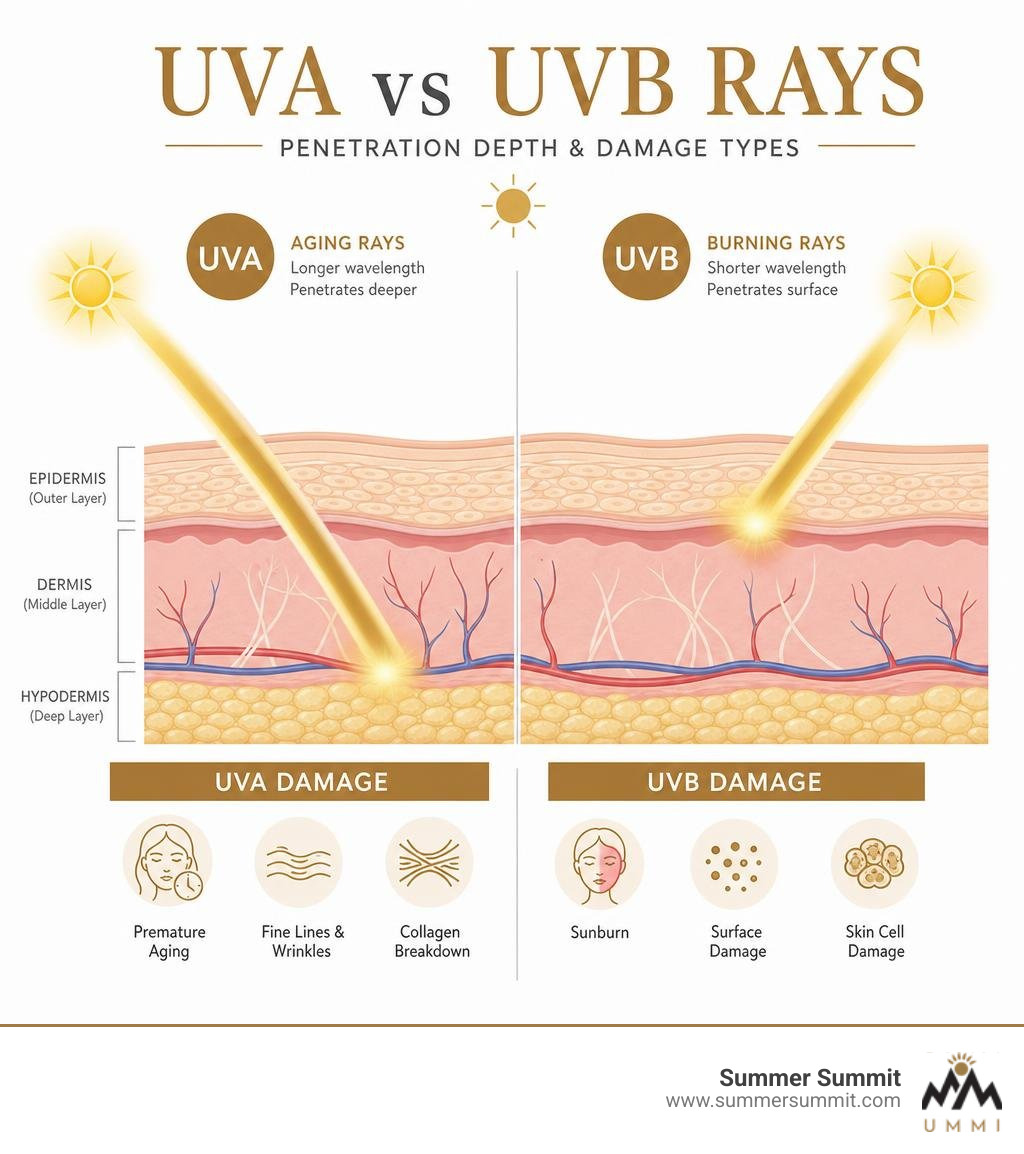
While glass windows block most UVB rays (the ones that cause sunburn), they do not block UVA rays. UVA rays penetrate deep into the skin, breaking down collagen and causing premature aging, wrinkles, and dark spots. Additionally, we are constantly exposed to blue light from our computers, phones, and tablets, which can contribute to oxidative stress and hyperpigmentation over time.
For a deeper dive into how sun damage occurs even when you least expect it, check out our guide on Face Sun Tan Lotion.
What are the most common mistakes people make with SPF moisturizers?
Beyond under-applying, here are three incredibly common mistakes:
- Skipping the Neck and Ears: Your neck, chest, and ears are exposed to the exact same amount of sun as your face, yet they are frequently ignored. Always blend your day cream down past your jawline.
- Using Expired Products: Active UV filters degrade over time. Check the expiration date on your bottle; if it’s expired, it won't protect you.
- Mixing SPF Directly with Foundation: Many people try to save time by mixing a pump of foundation directly into their SPF moisturizer in their hands. This dilutes the active ingredients and ruins the protective film, leaving your skin unprotected. Apply your day cream first, let it absorb for 5 minutes, and then apply your makeup on top.
How often should I reapply my day cream with SPF?
If you are spending a typical day indoors working, a single, generous application in the morning is generally sufficient. However, if you are sitting near a window, running errands outdoors, or sweating, you must reapply every two hours.
If you wear makeup, reapplying a cream can be tricky. In these cases, look for an SPF mist or a translucent SPF powder that you can gently dust over your makeup throughout the day to keep your protection active without ruining your look.
Conclusion
Finding the perfect balance of hydration and defense is the ultimate secret to long-term skin health. By choosing a high-quality day cream sun protection formula and applying the correct amount daily, you are making a simple yet incredibly powerful investment in your skin’s future.
At Summer Summit, we believe that skincare should be clean, effective, and straightforward. Our dermatologist-formulated products are proudly cruelty-free and entirely free of sulfates, parabens, and harmful irritants. We stand behind our formulas with a 100% satisfaction guarantee and offer free shipping to make your skincare journey as seamless as possible.
Ready to elevate your morning routine? Explore Summer Summit Skincare to find the perfect daily essentials for a healthy, protected, and glowing complexion.
Leave a comment