

The Ultimate Guide to Kojic Acid Cream
Kojic Acid Cream for Dark Spots and Uneven Skin Tone
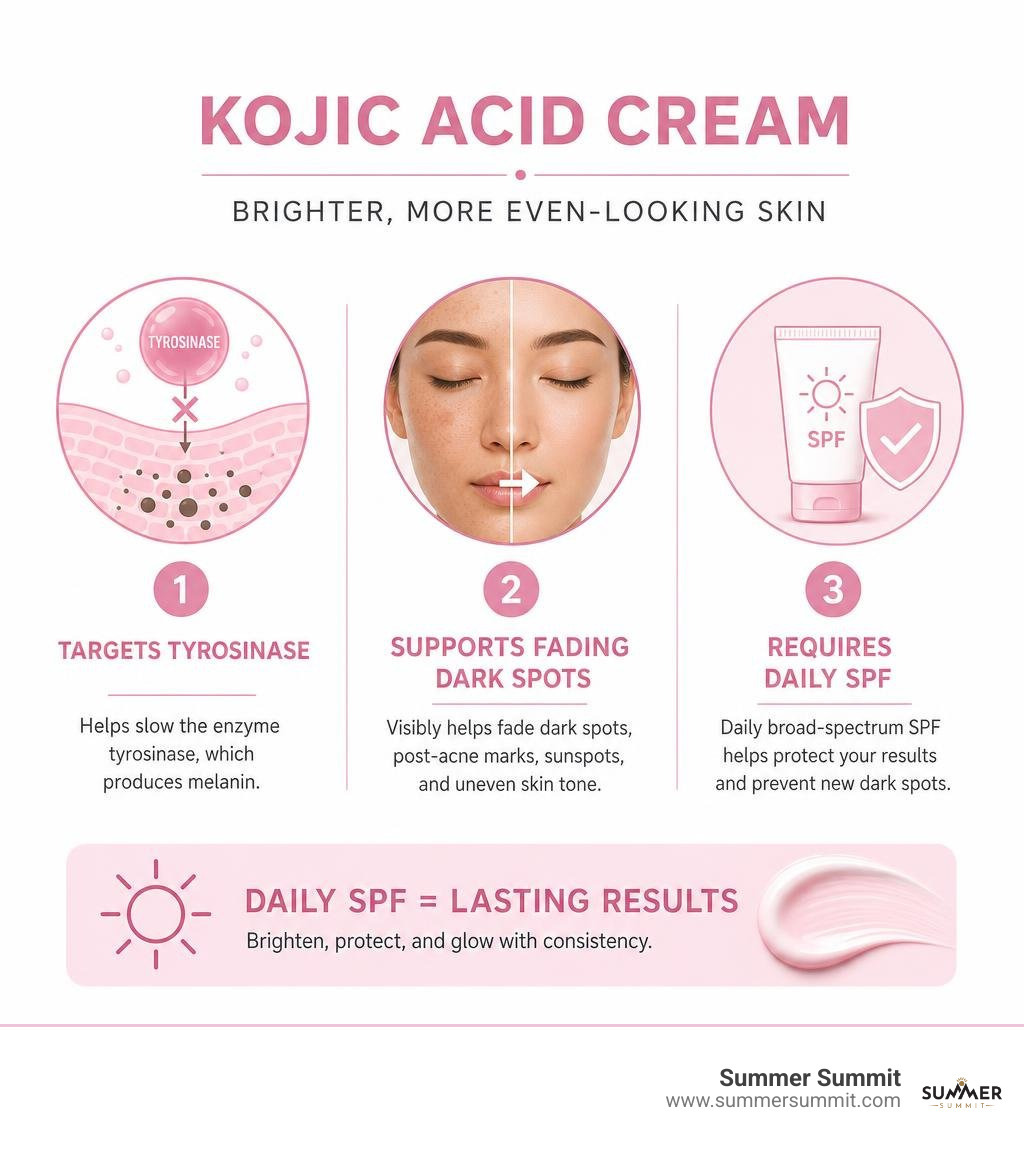
Kojic acid cream is a brightening moisturizer that can help fade dark spots, post-acne marks, sunspots, and uneven tone. It works by slowing tyrosinase, an enzyme involved in making melanin, the pigment that gives skin its color. For best results, apply it consistently, start a few nights per week if your skin is sensitive, and wear broad-spectrum sunscreen every morning.
Kojic acid comes from fungal fermentation, including the fermentation of rice used to make sake. It is not an instant fix, but many people notice gradual changes in tone within four to six weeks. Stubborn discoloration, including melasma, can take three months or longer.
The right formula matters. A well-made cream may pair kojic acid with barrier-supporting and brightening ingredients such as niacinamide, alpha arbutin, tranexamic acid, hyaluronic acid, or vitamin C. This guide breaks down what to look for, how to use it safely, and which creams may fit your skin goals without adding another disappointing half-used bottle to the shelf.
I am Robert McCann, founder of Summer Summit Skincare. My work with laboratories, distributors, ingredient sourcing, and formulation development helps me assess how a kojic acid cream should be made, stabilized, and used in a practical daily routine.
How Kojic Acid Works to Brighten Hyperpigmentation
At its core, kojic acid is a naturally occurring metabolite produced by several species of fungi, especially Aspergillus oryzae (popularly known as koji in Japanese culinary traditions). Produced during the fermentation of rice for sake brewing and soy sauce crafting, this organic compound possesses remarkable biochemical properties that dermatologists have studied for decades.
When our skin encounters ultraviolet (UV) radiation, hormonal shifts, or mechanical trauma (such as an inflammatory acne flare-up), specialized cells called melanocytes go into overdrive. These cells synthesize melanin to protect surrounding skin cells. However, this defense mechanism frequently leads to localized clusters of pigment—visible on the surface as dark spots, age spots, and uneven patches.
Rather than forcibly exfoliating surface skin cells or chemically bleaching tissue, an effective Kojic Acid Face Cream interrupts pigmentation right at the biological source.
Tyrosinase Inhibition and Melanin Production
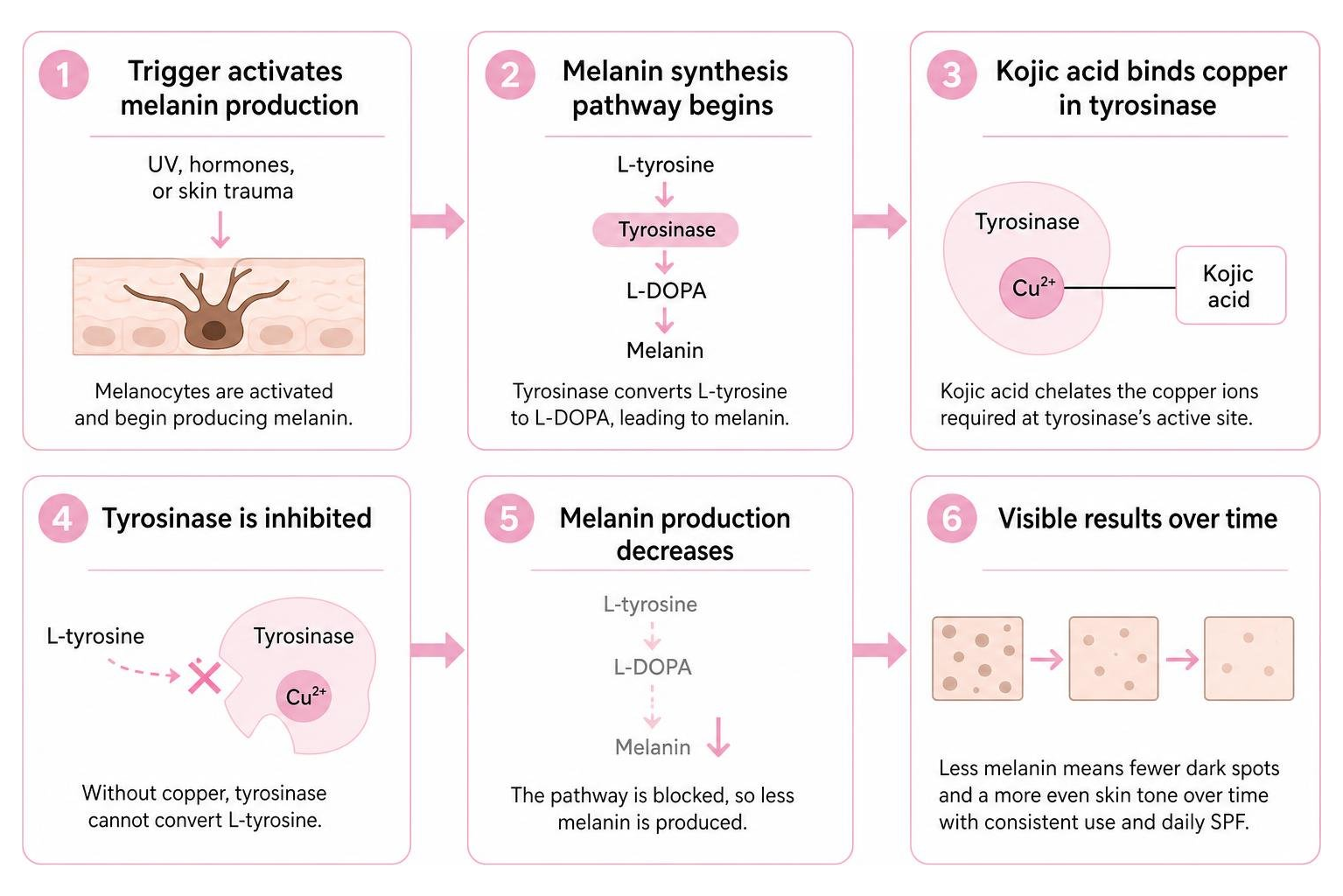
The primary biochemical driver behind hyperpigmentation is an enzyme known as tyrosinase. Tyrosinase converts the amino acid L-tyrosine into L-DOPA, which is subsequently converted into melanin pigment. Without active tyrosinase, melanocytes cannot complete this metabolic synthesis.
Kojic acid functions as a competitive copper-chelating inhibitor. Tyrosinase requires copper ions at its catalytic center to initiate the enzymatic cascade. By binding directly to these copper ions, kojic acid effectively deactivates tyrosinase, preventing excess melanin synthesis before it ever surfaces on the outer epidermal layers.
Regulatory standards and cosmetic guidelines—including modern ACTIVE INGREDIENT profiles—consistently highlight that concentrations between 1% and 2% provide the optimal therapeutic window for topical efficacy without triggering unnecessary dermal stress.
Pure Kojic Acid vs. Kojic Acid Cream Derivatives
Formulating with pure kojic acid presents distinct formulation challenges: it is hydrophilic (water-soluble) and sensitive to air, light, and oxidation over time. When exposed to prolonged sunlight and ambient air, pure kojic acid can turn brown, losing its potency.
To solve this challenge, cosmetic chemists developed derivatives such as kojic dipalmitate. Kojic dipalmitate is a lipid-soluble (fat-soluble) ester created by bonding kojic acid with palmitic acid. This chemical alteration significantly improves molecular stability, prevents formula oxidation, and enhances skin penetration through the lipid bilayer of the stratum corneum.
| Feature | Pure Kojic Acid | Kojic Dipalmitate |
|---|---|---|
| Solubility | Water-soluble (Hydrophilic) | Fat-soluble (Lipophilic) |
| Oxidation Stability | Prone to browning/light oxidation | Highly stable under ambient conditions |
| Skin Penetration | Direct action; moderate penetration | Enhanced barrier penetration |
| Irritation Potential | Slightly higher in sensitive profiles | Exceptionally gentle and non-drying |
| Optimal Formulation pH | Slightly acidic (4.0–5.5) | Broad compatibility (5.0–7.0) |
Top Benefits of Using a Kojic Acid Cream
Choosing a topical cream over an aggressive chemical peel offers gentle, consistent results without demanding downtime. A properly balanced Kojic Acid Cream For Skin Whitening and tone-evening regimen targets multiple pathways of visible discoloration.
- Non-Cytotoxic Pigment Control: Unlike harsh, controversial ingredients historically utilized for depigmentation, kojic acid does not destroy melanocytes; it temporarily suspends enzyme activity.
- Targeted Dark Spot Fading: It selectively helps suppress hyperactive pigment clusters without over-lightening surrounding normal tissue.
- Antimicrobial and Antifungal Support: Beyond brightening, kojic acid provides natural antibacterial and antifungal properties, making it valuable for managing post-inflammatory marks from blemish-prone skin.
- Antioxidant Protection: By intercepting free-radical reactions triggered by environmental stressors, kojic acid safeguards delicate skin structures against premature aging.
Targeting Melasma, Sunspots, and Hyperpigmentation
Hyperpigmentation takes several forms. Sunspots (solar lentigines) stem from cumulative UV radiation, whereas post-inflammatory hyperpigmentation (PIH) follows cellular injury like acne or eczema. Melasma, driven largely by hormonal shifts alongside UV exposure, presents deep, stubborn patches across the forehead, cheeks, and upper lip.
A targeted face cream helps systematically down-regulate tyrosinase production across both epidermal and dermal-junction levels. Because creams contain rich emollient networks, they keep active ingredients bound to the stratum corneum longer than watery liquids, ensuring slow, continuous absorption.
Synergistic Actives: Vitamin C, Niacinamide, and Tranexamic Acid
While kojic acid is potent alone, modern cosmetic chemistry thrives on ingredient synergy. Formulators often combine it with complementary actives to attack discoloration through multiple pathways:
- Vitamin C (Ascorbic Acid / Derivatives): Offers direct antioxidant defense and inhibits melanin production via a distinct mechanism. Dive into our Kojic Acid Vitamin C Cream Complete Guide to understand this pairing.
- Niacinamide (Vitamin B3): While kojic acid stops melanin synthesis, niacinamide blocks the transfer of melanin from melanocytes to keratinocytes, providing a two-step defense against dark spots.
- Alpha-Arbutin & Tranexamic Acid: Alpha-arbutin complements tyrosinase suppression, while tranexamic acid calms the vascular and inflammatory triggers that worsen melasma.
- Vitamin E & Barrier Lipids: Antioxidant lipids neutralize free radicals while preserving barrier health. Read our Kojic Acid Vitamin E Guide 2026 for deeper insights into lipid-soluble formulation stability.
Best Brightening Formulations and Top Product Picks
Selecting the right product requires evaluating active concentrations, complementary ingredients, and skin type compatibility. If you prefer lightweight layering options, a concentrated Kojic Acid Serum can also be used underneath your moisturizer.
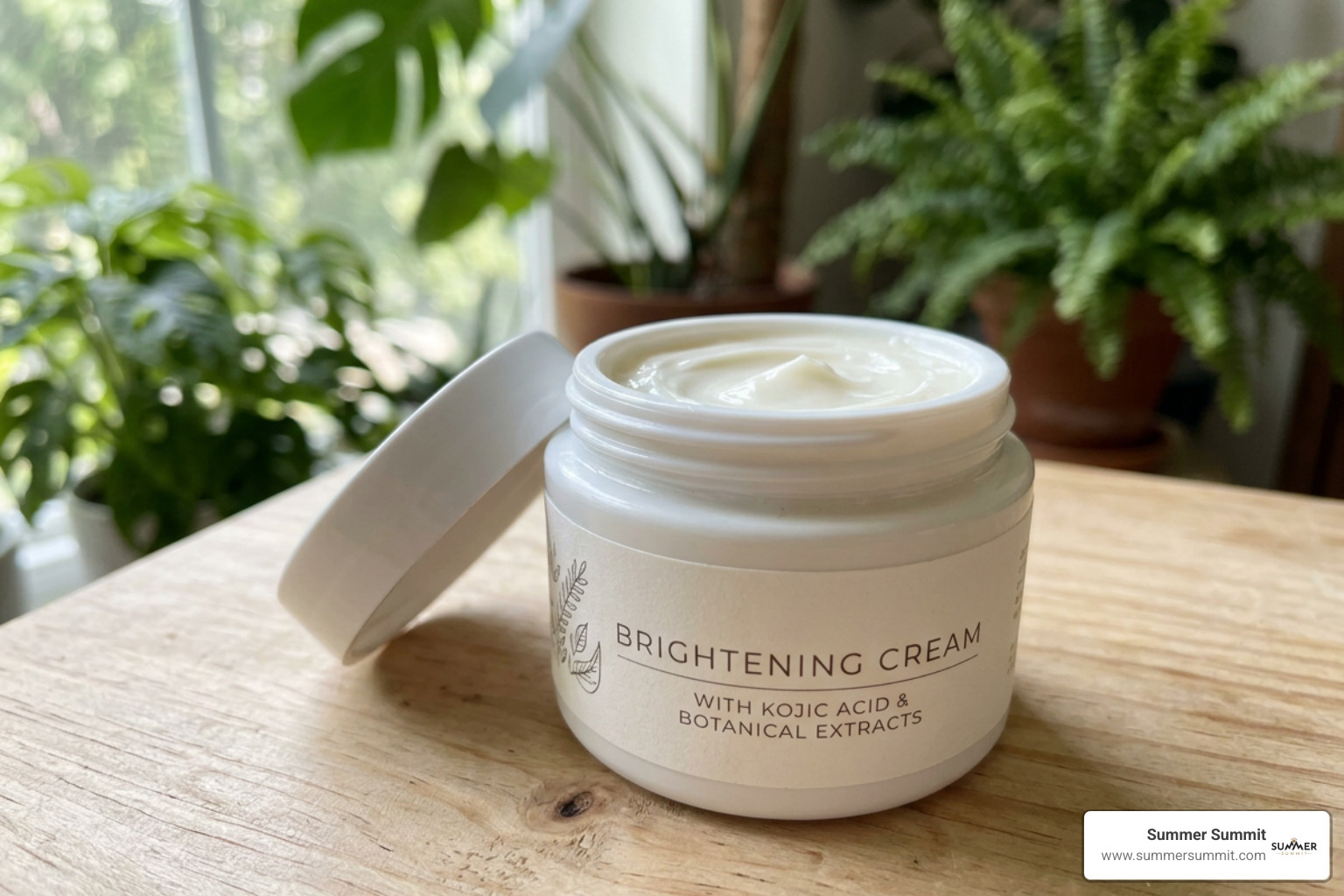
Best Overall Multi-Active: 2% Kojic Acid Advanced Blend
For stubborn, persistent sunspots and post-acne pigmentation, a multi-active formula offers comprehensive coverage. Top-tier products in this category (such as The Derma Co 2% Kojic Acid Advanced Face Cream) blend:
- 2% Kojic Acid for potent tyrosinase suppression.
- 2% Alpha-Arbutin to double down on melanin reduction.
- 3% Tranexamic Acid to calm inflammatory pigmentation triggers.
This multi-pronged formulation helps tackle difficult spots from several cellular angles, making it a reliable pick for resilient skin types dealing with recurring melasma.
Best for Sensitive Skin: Gentle Alpha-Arbutin and Niacinamide Formula
Sensitive and reactive skin types require a gentler touch to avoid contact irritation. Products like Koji White Radiant Tone Correcting Cream are formulated with this balance in mind:
- 1% Kojic Acid for safe, sustained tyrosinase regulation.
- 1% Alpha-Arbutin to gently encourage even tone.
- 3% Niacinamide to soothe irritation, reinforce the lipid barrier, and reduce redness.
This combination delivers noticeable radiance and hydration without compromising delicate skin barriers.
Best Clean Botanical Brightener: Plant-Based Nourishing Complex
For those who prioritize clean beauty, plant-rich moisturizers (such as SeoulCeuticals Ultra Brightening Kojic Acid Cream) combine fungal actives with botanical extracts:
- Pure Kojic Acid paired with micro-exfoliating glycolic and salicylic acids.
- Licorice root and reishi mushroom ferments for natural tone support.
- Centella asiatica, green tea, and aloe vera to soothe inflammation.
This approach hydrates, refines rough texture, and brightens tone while remaining vegan, cruelty-free, and free of synthetic fragrances.
Step-by-Step Routine, Layering, and Safety Precautions
Achieving clear, radiant skin depends just as much on proper application as it does on the formula itself. Layering active ingredients in the right order ensures maximum absorption while protecting your skin barrier.
How to Safely Apply Kojic Acid Cream in Your Routine
To minimize irritation while maximizing tone-evening benefits, follow these application best practices. You can also explore our comprehensive tutorial on Kojic Acid Cream How To Use for specialized layering techniques.
- Cleanse Gently: Wash your face with a mild, non-stripping cleanser and pat skin dry.
- Hydrate First: Apply your favorite water-based hydrating toners or serums (such as hyaluronic acid or panthenol).
- Dispense a Pea-Sized Portion: Smooth the cream evenly across your entire face, neck, or targeted zones using gentle upward strokes.
- Introduce Gradually: Start by using your cream 2 to 3 nights per week. If your skin shows no signs of irritation after two weeks, increase application to every evening.
- Always Wear Daytime Sun Protection: Kojic acid reduces melanin, temporarily lowering your skin's natural defense against UV radiation. Always finish your morning routine with broad-spectrum SPF 30 or higher.
Managing Side Effects, Patch Testing, and Sun Protection
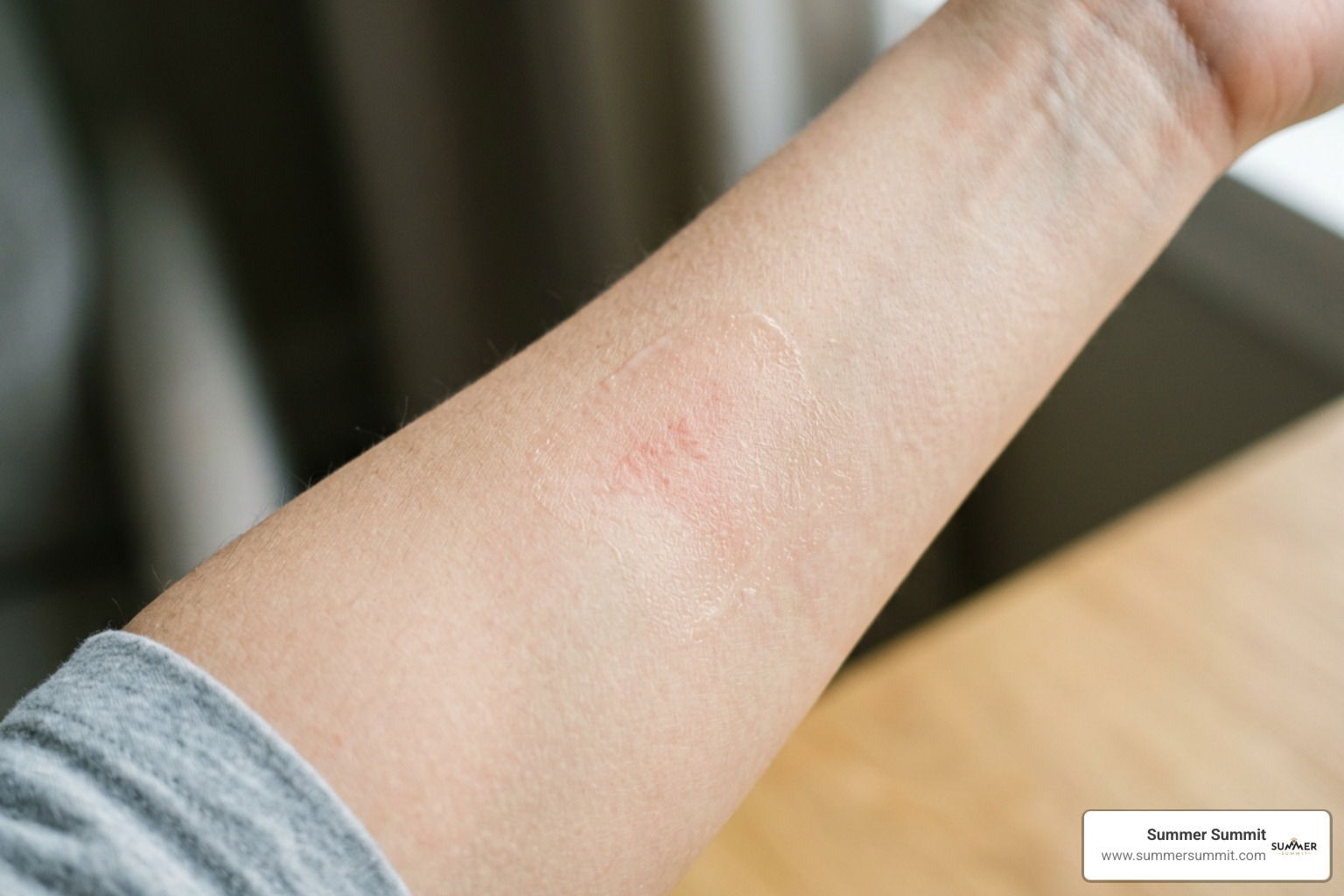
The most common side effect associated with high-strength kojic acid is mild contact dermatitis, characterized by temporary redness, stinging, dryness, or minor flaking.
To protect your skin:
- Conduct a Patch Test: Apply a dime-sized amount of cream to your inner forearm or behind the ear. Wait 24 to 48 hours to check for redness, itching, or swelling before applying it to your face.
- Address Sensitivity Promptly: If mild irritation develops, reduce use to once or twice a week and apply a ceramide-rich barrier cream.
- Practice Sun Safety: UV exposure stimulates the exact tyrosinase activity that kojic acid works to suppress. Without daily sunscreen, your brightening progress will quickly stall.
Frequently Asked Questions About Brightening Skincare
How long does it take for kojic acid to fade dark spots?
Most users begin seeing improvements in overall skin luminosity and shallow post-acne marks within four to six weeks of consistent nightly use. However, deeper hyperpigmentation, stubborn sun damage, and melasma typically require eight to twelve weeks of dedicated application paired with diligent daily sun protection.
Can I use kojic acid with retinol and AHAs?
Yes, but you should introduce them with care. While combining kojic acid with mild glycolic acid or retinol can speed up cell turnover and enhance brightening, using them simultaneously in a single application can overwhelm sensitive skin. We recommend alternating nights—using your kojic acid moisturizer on night one and your retinol or AHA treatment on night two.
Is kojic acid safe for everyday use on sensitive skin?
Yes, provided the formula uses a moderate concentration (1% or lower) or incorporates stable derivatives like kojic dipalmitate alongside soothing agents such as niacinamide, squalane, and centella asiatica. Start with two applications per week, gradually increasing to daily use as your skin builds tolerance.
Conclusion
Fading stubborn hyperpigmentation, melasma, and sun damage requires consistent, science-backed care. By targeting the tyrosinase enzyme directly, a quality kojic acid cream helps restore clarity, balance, and radiance to uneven skin tones without the harsh risks of older depigmenting chemicals.
At Summer Summit, we are dedicated to crafting clinically proven, cruelty-free, and dermatologist-formulated skincare that supports long-term skin health. Every formula is backed by our 100% satisfaction guarantee and ships free directly to your door.
Explore our full library of expert guides at Summer Summit Skincare Guides to build the ideal daily routine for a healthy, glowing complexion.
Dejar un comentario