

Stop the Spots with These Kojic Acid Skin Whitening Creams
Dark Spots Are Stubborn — But the Right Kojic Acid Cream Can Win
Kojic acid cream for skin whitening is one of the most effective, evidence-backed tools for fading dark spots, melasma, and uneven skin tone — without the harsh risks of older bleaching agents.
Quick Answer: Best Kojic Acid Creams for Skin Whitening
| Skin Concern | What to Look For |
|---|---|
| Dark spots & age spots | 1–2% kojic acid + alpha arbutin |
| Melasma | Kojic acid + tranexamic acid + niacinamide |
| Post-acne marks | Kojic acid + vitamin C + glycolic acid |
| Sensitive or intimate areas | 1% kojic acid + turmeric or niacinamide |
| Dry skin | Kojic acid dipalmitate + hydrating base |
If you've tried product after product only to end up with a graveyard of half-used bottles, you're not alone. Dark spots from sun exposure, acne, or friction-prone areas like underarms and inner thighs can feel nearly impossible to shift — especially when you're spending time at the beach and UV exposure keeps undoing your progress.
The good news? Kojic acid works by blocking the enzyme that triggers melanin production in the first place. It's not a quick fix, but with the right formula and consistent use, most people start to see visible results within 21 to 28 days — aligning with the skin's natural renewal cycle.
Most dermatologists recommend products containing 1% to 2% kojic acid for safe, effective results. Pair that with complementary brighteners like niacinamide or tranexamic acid, and you have a genuinely powerful daily routine.
I'm Robert McCann, founder of Summer Summit Skincare, and I've spent years working directly with laboratories on evidence-based formulations — including researching the optimal concentrations and ingredient pairings for kojic acid cream for skin whitening. In this guide, I've done the hard work of sorting the clinical winners from the hype so you don't have to.
What is Kojic Acid and How Does It Brighten Skin?
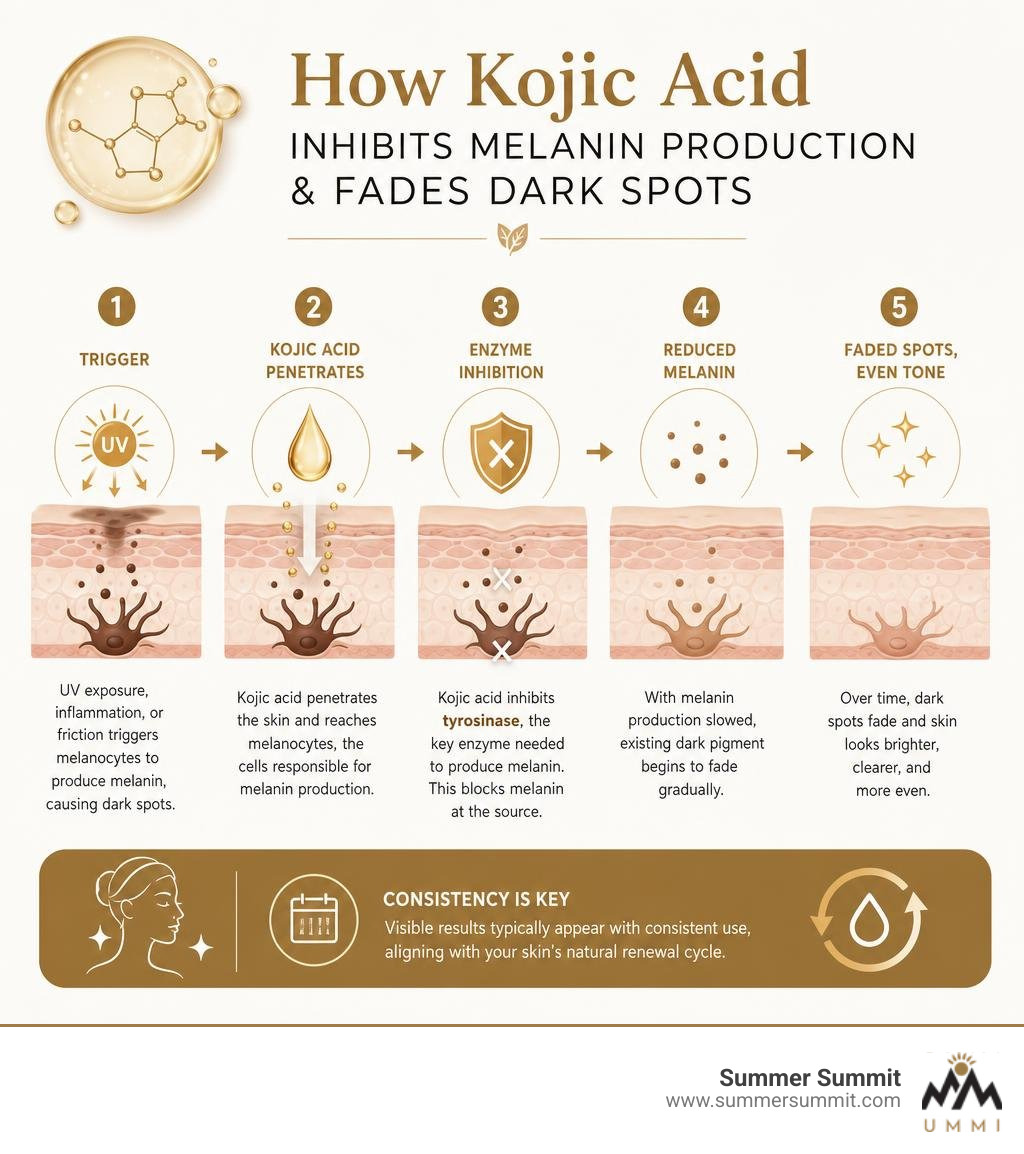
To understand how a kojic acid cream for skin whitening works, we first need to look at how our skin creates color. When our skin is exposed to UV light, friction, or inflammation (like an acne breakout), it triggers cells called melanocytes to produce melanin, the pigment responsible for dark spots.
Kojic acid is a naturally occurring compound derived from organic sources. It is actually a byproduct of the fermentation process of Japanese sake, soy sauce, and rice wine, and can also be extracted from certain types of wild mushrooms. For centuries, it has been used in East Asian beauty rituals for its incredible ability to safely and gently clarify the complexion.
If you are currently looking at your skin and wondering, "Do I Have Hyperpigmentation?" the answer is highly likely yes if you have flat, darkened patches that differ from your natural skin tone. Whether you are dealing with sun damage, hormonal patches, or post-acne blemishes, Getting Rid of Unwanted Dark Spots requires an ingredient that can stop pigment production at its biological root. That is exactly where kojic acid shines.
The Science of Tyrosinase Inhibition
At the microscopic level, melanin production relies heavily on an enzyme called tyrosinase. Think of tyrosinase as the biological "on-switch" for dark spots. When kojic acid is applied topically, it acts as a tyrosinase inhibitor. It binds to the active sites of this enzyme, effectively switching it off and preventing the amino acid tyrosine from converting into pigment.
By limiting this enzymatic activity, kojic acid prevents new dark spots from forming while allowing existing hyperpigmentation to fade away as your skin naturally exfoliates.
But kojic acid is more than just a pigment corrector. It also brings several secondary benefits to your skincare routine:
- Antioxidant Properties: It helps neutralize free radicals caused by pollution and UV exposure, protecting your skin barrier from premature aging.
- Antifungal Benefits: Kojic acid has natural antifungal properties, making it useful in treating fungal-related skin issues like ringworm or athlete's foot.
- Antibacterial Benefits: It helps eliminate acne-causing bacteria, which reduces the occurrence of future breakouts that leave dark marks behind.
Kojic Acid vs. Hydroquinone, Vitamin C, and Azelaic Acid
When choosing a skin-brightening agent, it helps to know how kojic acid stacks up against other popular ingredients in the beauty industry.
| Ingredient | Mechanism of Action | Safety Profile | Best Suited For |
|---|---|---|---|
| Kojic Acid | Inhibits tyrosinase activity directly; provides antioxidant and antimicrobial benefits. | Highly safe at 1% to 2% concentrations; low risk of long-term side effects. | Sun spots, melasma, acne scars, and full-body brightening. |
| Hydroquinone | Destroys melanocytes and inhibits melanin production. | Banned in Europe (2001) and highly restricted in the US due to risks of ochronosis (permanent blue-black skin darkening). | Severe, stubborn melasma under strict dermatological supervision. |
| Vitamin C | Neutralizes free radicals and regulates melanin biosynthesis. | Very safe, but highly unstable and prone to rapid oxidation (turning brown in the bottle). | Mild dullness, daily environmental protection, and early signs of aging. |
| Azelaic Acid | Selectively targets hyperactive melanocytes and reduces inflammation. | Very gentle and safe for pregnant individuals, though it can take longer to show dramatic results. | Post-inflammatory erythema (red acne marks) and rosacea. |
While hydroquinone was once the gold standard for skin lightening, safety concerns have led many consumers and dermatologists to seek safer, natural alternatives. Kojic acid offers a powerful, non-toxic alternative that delivers comparable brightening results without compromising your long-term cell viability.
Choosing the Best Kojic Acid Cream for Skin Whitening
Not all kojic acid creams are created equal. When shopping for a kojic acid cream for skin whitening, there are two crucial factors to keep in mind: concentration and stability.
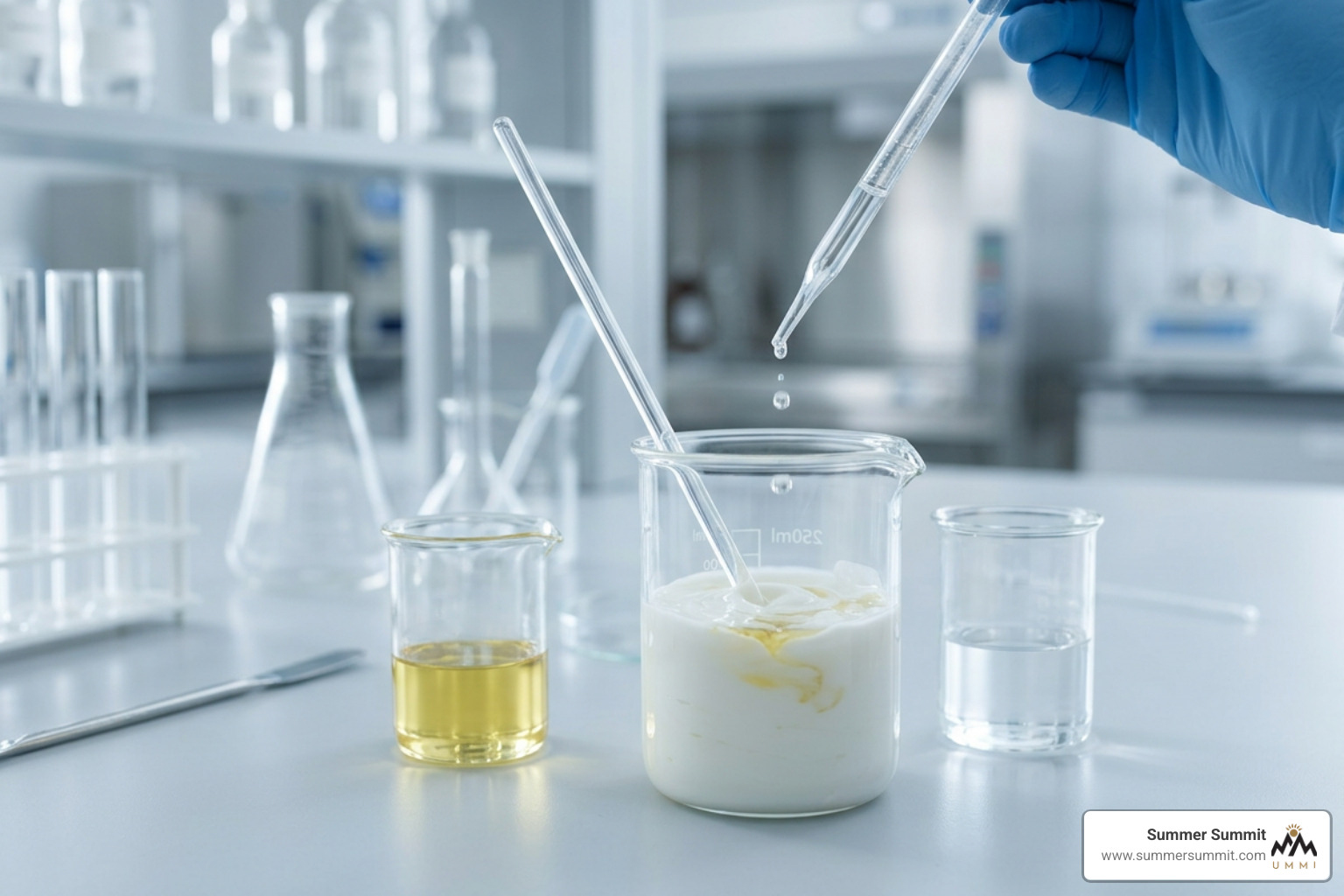
The Cosmetic Ingredient Review Expert Panel has officially deemed kojic acid safe for cosmetic use in concentrations of 1 percent or less. However, many advanced clinical formulations use up to 2 percent to treat stubborn hyperpigmentation. The "sweet spot" for safety and efficacy is between 1% and 2%. Anything higher than 2% significantly increases your risk of skin irritation and contact dermatitis without offering any additional brightening benefits.
You should also look at the specific form of kojic acid used in the product. Traditional, pure kojic acid is highly unstable. When exposed to light and air, it oxidizes rapidly, turning a dark brown color and losing its potency. To solve this issue, many premium brands use Kojic Dipalmitate. This is an oil-soluble, modified derivative of kojic acid that is highly stable, resists oxidation, and penetrates the skin barrier more gradually. This gradual absorption makes it far gentler and less irritating, especially for sensitive skin types.
To learn more about choosing the right texture and formulation for your face, check out our comprehensive guide on Kojic Acid Face Cream.
Key Ingredients to Pair with Your Kojic Acid Cream for Skin Whitening
Kojic acid is a brilliant team player. When combined with other skin-brightening and barrier-supporting actives, it works even better. Here are the best ingredients to look for alongside kojic acid in a formulation:
- Niacinamide (Vitamin B3): While kojic acid stops melanin from being made, niacinamide (ideally at 3% to 5%) prevents the newly created pigment from transferring into your visible skin cells. It also strengthens the skin barrier and counteracts any potential dryness.
- Tranexamic Acid: At a 3% concentration, tranexamic acid acts as a powerful anti-inflammatory agent that interrupts the inflammatory pathways that trigger melasma and post-acne redness.
- Alpha Arbutin: A gentle, biosynthetic derivative of hydroquinone that reduces melanin synthesis without damaging your melanocytes. It is incredibly effective at a 1% concentration for fading dark spots.
- Turmeric (Tetrahydrocurcumin): This traditional Ayurvedic botanical is a powerful antioxidant and anti-inflammatory agent that helps heal acne scars and soothe irritated skin.
- Glutathione: Often paired with kojic acid in detanning creams, this antioxidant helps accelerate overall skin clarity and luminosity.
To explore how these ingredient synergies work in detail, read our Kojic Acid & Vitamin C Cream Complete Guide or dive into our breakdown of Kojic Acid and Vitamin C Cream.
Ingredients to Avoid and Regulatory Safety Concerns
While it is tempting to layer multiple active ingredients to speed up your results, mixing the wrong compounds can damage your skin barrier.
If you are using a daily kojic acid cream for skin whitening, avoid using it in the exact same application step as low-pH chemical exfoliants like Alpha Hydroxy Acids (AHAs like glycolic or lactic acid) and Beta Hydroxy Acids (BHAs like salicylic acid). Combining these strong acids with kojic acid in a single step can cause severe dryness, redness, and chemical burns.
Similarly, avoid pairing kojic acid directly with high-strength prescription retinoids at night unless your skin has built up a very high tolerance. Instead, alternate your nights—use your kojic acid cream one night, and your retinoid the next.
Top Kojic Acid Creams to Transform Your Complexion
Finding the right product depends entirely on your skin type, your specific concerns, and where you plan to apply the cream.
Clinically-Proven, Dermatologist-Formulated Creams
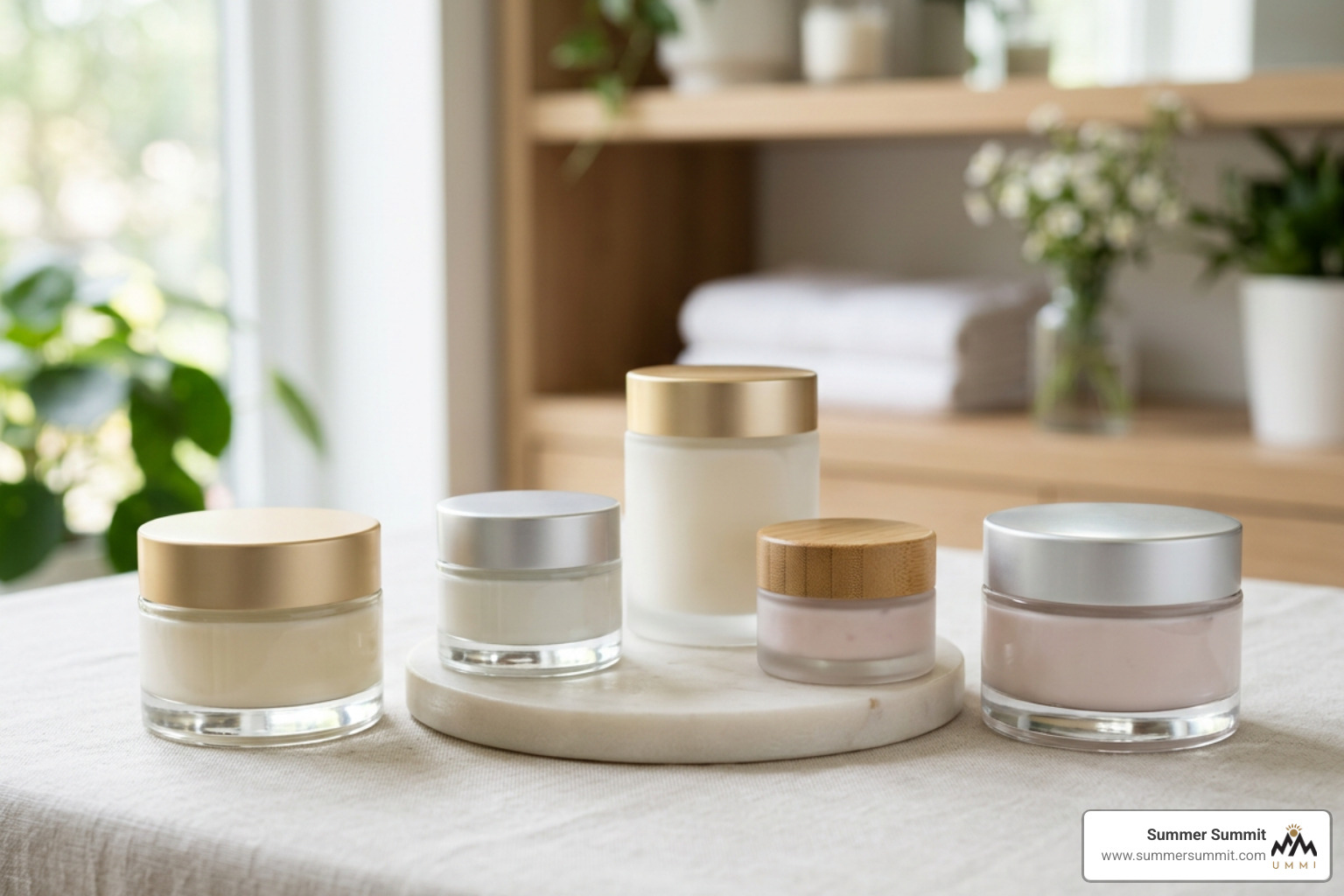
For those dealing with stubborn melasma, deep sun spots, or severe post-inflammatory hyperpigmentation, a professional-grade clinical cream is your best option. These formulas typically feature a highly stable 2% concentration of Kojic Dipalmitate paired with clinical-strength brighteners.
When shopping, look for products that display clear percentage breakdowns on their labels—such as a combination of 2% Kojic Acid, 3% Tranexamic Acid, and 1% Alpha Arbutin. These multi-pathway creams tackle pigment production from multiple angles, ensuring that even the most stubborn spots begin to fade.
Clean, Cruelty-Free, and Natural Formulations
If you have sensitive skin, or if you plan to apply a brightening cream to delicate areas of the body, a clean, natural formulation is essential. Many commercial creams use cheap synthetic fillers, sulfates, and parabens that can trigger severe allergic reactions.
Instead, look for clean-beauty brands (like us at Summer Summit) that enforce a strict ingredient blacklist. A great gentle option is a cream that pairs 1% kojic acid with soothing, natural anti-inflammatories like turmeric, coconut oil, and hyaluronic acid. These ingredients keep the skin deeply moisturized, which naturally offsets the slight dryness that active acids can cause.
Synergistic Kojic Acid and Vitamin C Blends
If your primary goal is to treat overall skin dullness, uneven skin tone, and early signs of sun damage, a synergistic blend of kojic acid and Vitamin C is the ultimate combination.
Vitamin C (L-Ascorbic Acid) is an exceptional antioxidant that neutralizes environmental free radicals and accelerates the skin's natural healing process. When combined with kojic acid, it provides a dual-action brightening effect that leaves the skin looking incredibly luminous and refreshed.
Step-by-Step Guide: How to Safely Use Kojic Acid Cream for Skin Whitening
Applying active skincare ingredients requires a careful, structured approach to avoid irritation.
Here is our recommended daily application sequence to get the best results while keeping your skin barrier perfectly healthy:
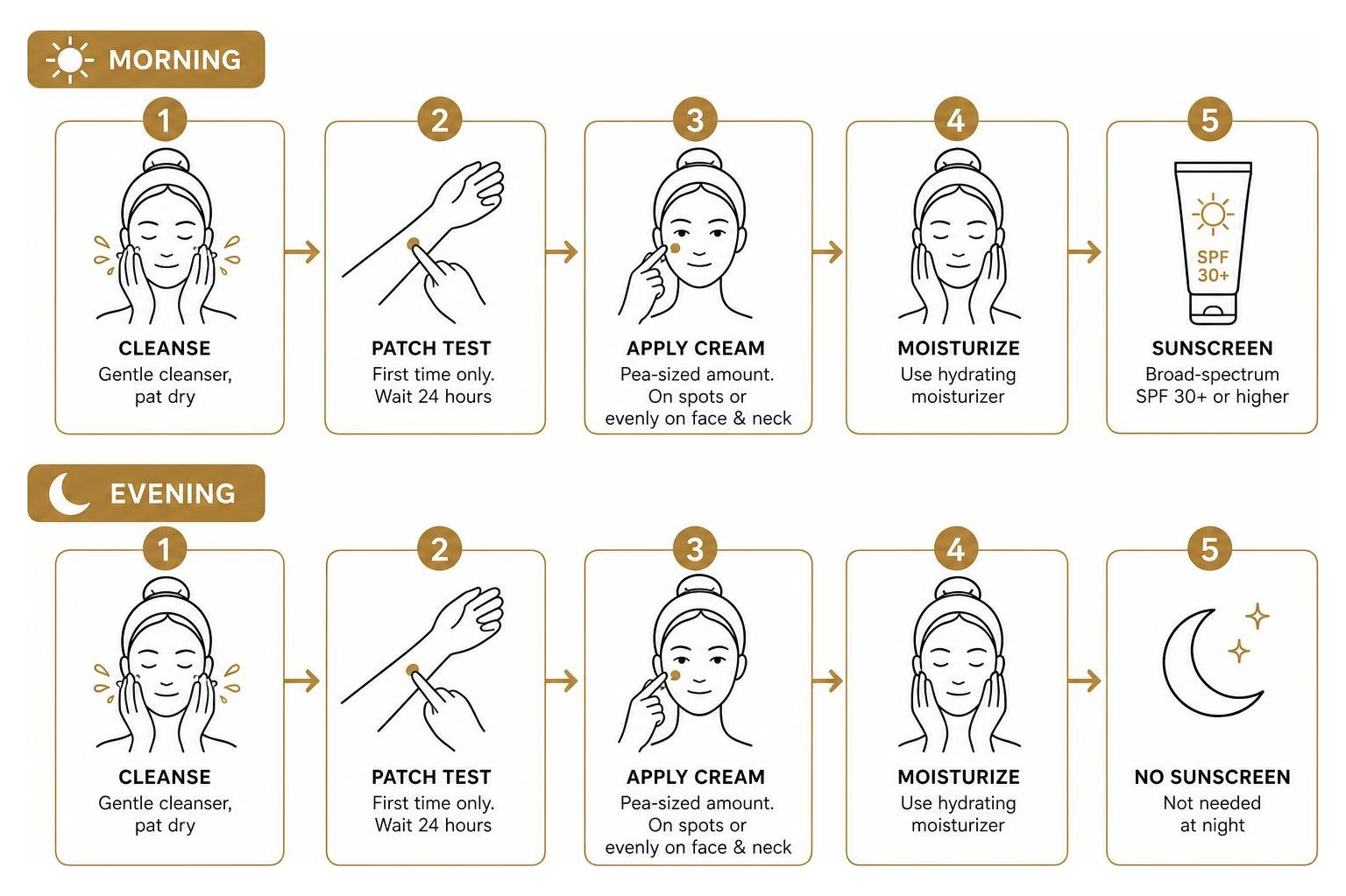
- Step 1: Cleanse: Wash your face with a gentle, sulfate-free cleanser and pat it completely dry. Never apply active acids to damp skin, as this can increase absorption rates and cause irritation.
- Step 2: Patch Test (First Time Only): Before your first full application, apply a pea-sized amount of the cream to your inner forearm or behind your ear. Wait 24 hours to ensure you don't experience any redness, itching, or swelling.
- Step 3: Apply the Cream: Dispense a small, pea-sized amount of your kojic acid cream. Gently dab it directly onto your dark spots, or smooth it evenly over your entire face and neck, avoiding the sensitive eye area.
- Step 4: Moisturize: Follow up with a deeply hydrating moisturizer containing ceramides or hyaluronic acid to lock in moisture and protect your skin barrier.
- Step 5: Sunscreen (Mandatory for AM): If you are applying your cream in the morning, you must apply a broad-spectrum sunscreen with an SPF of 30 or higher. Kojic acid decreases melanin production, which temporarily makes your skin more vulnerable to UV damage. Skipping sunscreen will completely reverse your brightening progress!
Frequently Asked Questions about Kojic Acid
How long does it take to see results from kojic acid?
Because kojic acid works by inhibiting melanin production rather than bleaching the skin instantly, patience is key.
- Within 21 to 28 days: Most users notice initial improvements in skin hydration, texture, and a slight softening of dark spots, which aligns with the natural skin cell renewal cycle.
- Within 4 to 6 weeks: You will see a visible reduction in sun spots, acne scars, and overall hyperpigmentation.
- For stubborn melasma: Consistent daily use for 8 to 12 weeks is typically required to achieve dramatic pigment correction.
Can kojic acid be used on sensitive skin and intimate areas?
Yes, but with extreme caution. Kojic acid is highly effective for fading dark patches caused by friction in areas like the underarms, inner thighs, and the bikini line. However, the skin in these areas is incredibly thin and sensitive.
If you plan to use a kojic acid cream for skin whitening on intimate areas, choose a gentle 1% concentration formula that is completely free of synthetic fragrances, sulfates, and parabens. Always perform a patch test on a small area first, and never apply the cream to broken, shaved, or irritated skin.
Does kojic acid cause contact dermatitis?
Contact dermatitis is the most common side effect of kojic acid, especially when used in concentrations above 2% or on damaged skin barriers. It typically manifests as redness, irritation, itchiness, rashes, or a mild burning sensation.
If you experience any of these symptoms, discontinue use immediately and rinse the area with cool water. Applying a thin layer of over-the-counter hydrocortisone cream and a basic ceramide moisturizer can help soothe the irritation and restore your skin barrier within a few days.
Conclusion
At Summer Summit, we believe that skincare should be purposeful, clinically proven, and entirely safe for your body. If you are ready to say goodbye to stubborn dark spots, incorporating a premium kojic acid cream for skin whitening into your daily routine is an exceptional place to start.
Every single product we develop is dermatologist-formulated, cruelty-free, and completely free of sulfates, parabens, and harmful irritants. We are so confident in our science-backed formulas that we back them with a 100% satisfaction guarantee and offer free shipping on all orders.
Ready to unlock a brighter, more even complexion? Explore our expert guides, product breakdowns, and clinical skincare tips on the Summer Summit Skincare Blog today!
Dejar un comentario