

A Practical Guide to Sun Protection for Healthy Skin
Why Sun Protection Matters More Than You Think
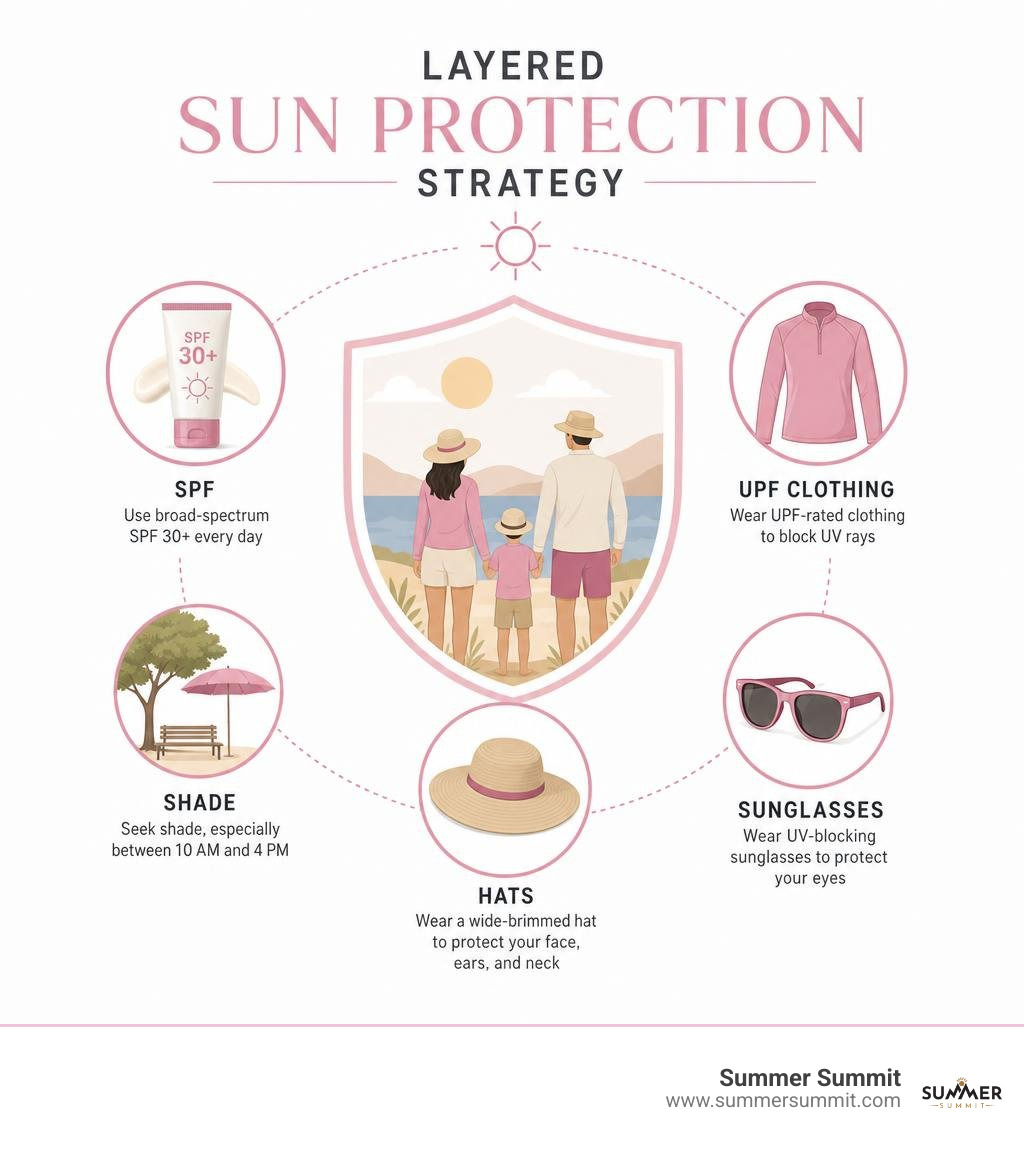
Sun protection is one of the most important daily habits you can build for long-term skin health. Here's what you need to know at a glance:
- Wear broad-spectrum SPF 30+ sunscreen every day, even on cloudy days
- Reapply every 2 hours, or immediately after swimming or sweating
- Seek shade between 10 AM and 4 PM when UV rays are strongest
- Wear UPF-rated clothing, a wide-brimmed hat, and UV-blocking sunglasses
- Everyone needs sun protection — all skin tones, all ages, all seasons
The sun feels good. But over time, UV radiation quietly builds up damage in your skin — damage that leads to premature aging, dark spots, and in serious cases, skin cancer. In fact, one in five Americans will develop skin cancer by the age of 70.
And it's not just about days at the beach. Your daily commute, a walk with the dog, sitting near a window — these small, routine moments of UV exposure add up over years in ways most people never consider.
The good news? Most UV-related skin damage is preventable. A few consistent habits make a significant difference.
I'm Robert McCann, founder of Summer Summit Skincare, where I've spent years researching active ingredients and developing evidence-based formulations — including daily-use products built around effective sun protection. In the sections ahead, I'll walk you through everything you need to know to protect your skin the right way.
Understanding UV Radiation and Long-Term Skin Damage
To understand why sun protection is non-negotiable, we first need to take a look at what solar ultraviolet (UV) radiation actually does to living tissue. Solar light that penetrates Earth's atmosphere is composed of various wavelengths, but when it comes to photocarcinogenesis and photoaging, two specific wavebands demand our immediate attention: Ultraviolet A (UVA) and Ultraviolet B (UVB).
When UV radiation strikes unprotected skin, it triggers a domino effect of cellular degradation. From breakdown of dermal integrity to direct mutations in cellular DNA, cumulative radiation is the primary environmental cause of premature skin aging and skin cancers. Understanding how these wavelengths operate empowers us to make smarter choices for our daily skin defense routines. To learn more about how regulatory bodies view product efficacy, explore the official FDA guide on sunscreen safety.
UVA vs UVB Radiation: The Science of Broad-Spectrum Defense
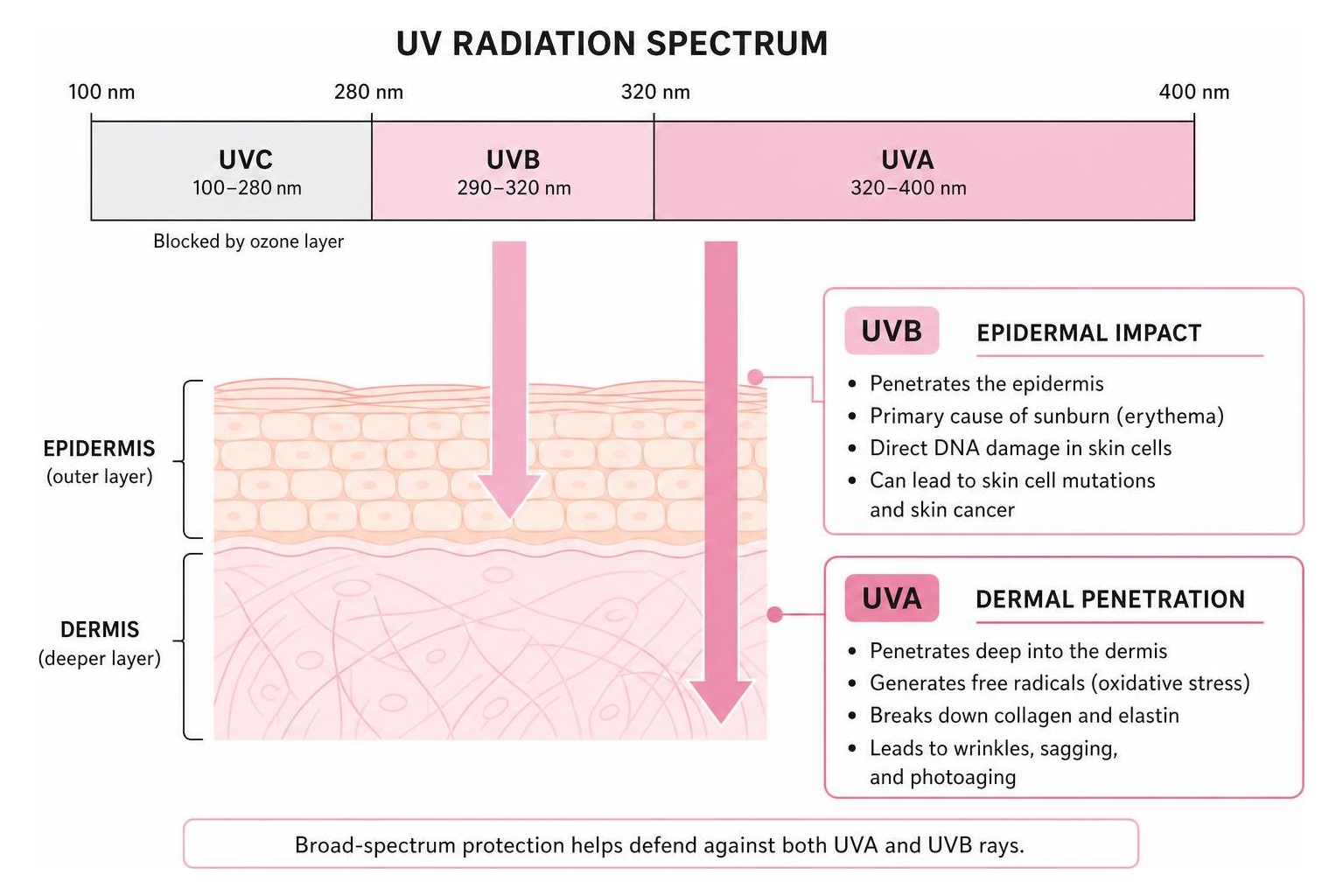
Not all sunlight damages the skin in the exact same manner. The UV spectrum is divided into three wavelengths: UVC (100–280 nm), which is completely absorbed by the Earth's ozone layer; UVB (290–320 nm); and UVA (320–400 nm). Broad-spectrum protection is vital because UVA and UVB impact different layer depths and biological processes:
- UVB Radiation (290–320 nm): UVB rays have high energy but shorter wavelengths. They primarily strike the superficial outer layer of the skin (the epidermis). UVB is directly responsible for solar erythema—commonly known as sunburn. It causes direct DNA strand damage by forming pyrimidine dimers in epidermal skin cells, which can directly cause keratinocyte mutations leading to non-melanoma skin cancers.
- UVA Radiation (320–400 nm): UVA rays possess longer wavelengths and lower energy, allowing them to penetrate deeper into the dermis. UVA accounts for approximately 95% of the UV radiation that reaches the Earth's surface. Unlike UVB, UVA rays penetrate standard window glass and cloud cover year-round. UVA drives indirect oxidative damage by generating dangerous reactive oxygen species (free radicals). These free radicals degrade collagen and elastin fibers within the dermal matrix, leading to sagging, deep wrinkles, and weakened blood vessel walls.
Because both forms of radiation damage the skin simultaneously, using a formula labeled "broad-spectrum" is essential. A standard sunscreen without broad-spectrum certification may prevent you from turning red from UVB exposure while leaving your deeper dermal tissues completely vulnerable to silent UVA destruction.
Long-Term Risks: Skin Cancer, Melanoma, and Premature Aging
The long-term consequences of unmitigated sun exposure extend far beyond temporary redness. Every dose of unprotected radiation leaves permanent microscopic scars within the skin matrix.
Over time, this damage manifests in two primary ways: photocarcinogenesis (skin cancer) and severe photoaging.
- Melanoma and Keratinocyte Cancers: Melanoma is the most lethal form of skin cancer, arising in melanin-producing melanocytes. In 2024 alone, there were an estimated 100,640 new cases of invasive melanoma diagnosed in the United States, alongside more than 8,000 deaths. Keratinocyte cancers—which include basal cell carcinoma (BCC) and squamous cell carcinoma (SCC)—are even more prevalent. Approximately 6.1 million Americans are treated for BCC and SCC every year. Using a tanning bed before age 35 increases your risk of developing melanoma by an alarming 75 percent.
- Photoaging and Hyperpigmentation: Photoaging accounts for up to 80-90% of visible skin aging symptoms. Unlike intrinsic, chronological aging, photoaging produces severe dermal elastosis (broken-down elastic fiber networks), deep coarse wrinkles, dry leathered skin texture, and persistent dark patches known as solar lentigines (age spots). When UV rays injure skin tissue, melanocytes overproduce pigment unevenly, resulting in stubborn hyperpigmentation.
At Summer Summit, we emphasize that consistent photoprotection is the ultimate anti-aging intervention. Discover more practical reasons to stay vigilant by reading our detailed article on 5 Compelling Reasons To Use Sunscreen Every Day.
Why Sun Protection Is Essential for All Skin Types
A persistent myth in skincare is that individuals with deeper skin tones—those classified as phototypes IV through VI on the Fitzpatrick scale—do not need daily sun protection. While it is true that higher concentrations of natural melanin provide a natural systemic barrier against acute UVB sunburn (offering an internal protection factor roughly equivalent to SPF 3 to 13), melanin does not make deeper skin tones immune to UV-induced cellular DNA damage or photocarcinogenesis.
Furthermore, dark skin tones are exceptionally vulnerable to hyperpigmentation disorders triggered by visible light (400–700 nm) alongside long-wave UVA rays. Visible light activates specialized opsin receptors (specifically Opsin 3) in melanocytes, stimulating intense, long-lasting pigment production. Conditions like melasma, post-inflammatory hyperpigmentation (PIHP), and persistent dark spots are severely exacerbated when darker skin is left unprotected from visible solar radiation. Comprehensive photoprotection equity means protecting every skin tone, every single day, without exception.
Comprehensive Sun Protection Beyond Sunscreen

While broad-spectrum topical products form an essential line of defense, applying lotion alone leaves significant vulnerabilities if relied upon exclusively. True photoprotection requires a layered, multi-barrier behavioral strategy. Relying solely on sunscreen can foster a false sense of security, leading people to stay out in intense sunlight far longer than safe limits allow. For additional national guidance on establishing complete family routines, review the comprehensive CDC sun safety facts.
UPF Clothing, Broad-Brimmed Hats, and UV-Blocking Sunglasses
Physical barriers offer continuous protection that does not degrade, rub off, or require continuous reapplication every two hours. Incorporating high-performance gear into your everyday attire simplifies daily defense:
- UPF-Rated Apparel: Ultraviolet Protection Factor (UPF) measures how much UV radiation passes through fabric to reach your skin. While SPF measures topical sunscreen performance on human skin, UPF evaluates fabric construction. A shirt rated UPF 50+ allows only 1/50th (or 2%) of UV radiation to penetrate, effectively blocking 98% of harmful rays. By contrast, a plain white cotton summer T-shirt provides a meager UPF rating of roughly 5 to 7—and that protection drops even lower when the fabric becomes wet or stretched out. Look for garments crafted with tight weaves, darker dyes, and synthetic fibers like high-density polyester.
- Broad-Brimmed Hats: A properly designed hat safeguards sensitive facial zones that are easily missed during topical lotion application. Choose canvas or tightly woven textile hats with a circular brim measuring at least 3 inches (7.5 cm) wide. A brim of this width provides built-in SPF protection values of roughly SPF 7 for the nose, SPF 5 for the back of the neck, SPF 3 for the cheeks, and SPF 2 for the chin. Avoid straw hats with visible open-weave gaps, as they permit pencil-thin shafts of concentrated sunlight to burn the scalp and forehead.
- UV-Blocking Sunglasses: Eyewear is critical to prevent ocular phototoxicity, photokeratitis, and cataracts. However, lens color darkness has nothing to do with UV blocking capabilities. In fact, wearing dark-tinted sunglasses that lack certified UV filters is far more dangerous than wearing no glasses at all. Dark tinting causes your pupils to dilate; if the lenses lack UV protection, your wide-open pupils allow far higher amounts of destructive radiation deep into your retinas. Always verify that your eyewear carries a "UV400" designation or guarantees "100% protection against UVA and UVB rays."
Shielding Against UV Exposure Through Glass and Vehicle Windows
Many people assume that stepping indoors or getting inside a car automatically protects them from solar rays. This misunderstanding leads to significant accumulated exposure over time.
Standard glass used in residential windows, office buildings, and automobile side windows effectively absorbs short-wave UVB rays, preventing traditional sunburns. However, clear commercial glass allows up to 75% or more of long-wave UVA radiation to pass directly through. Drivers, commuters, airline pilots, and desk workers sitting near sunny windows routinely suffer significant, asymmetrical skin damage on the side of their face and arms facing the glass.
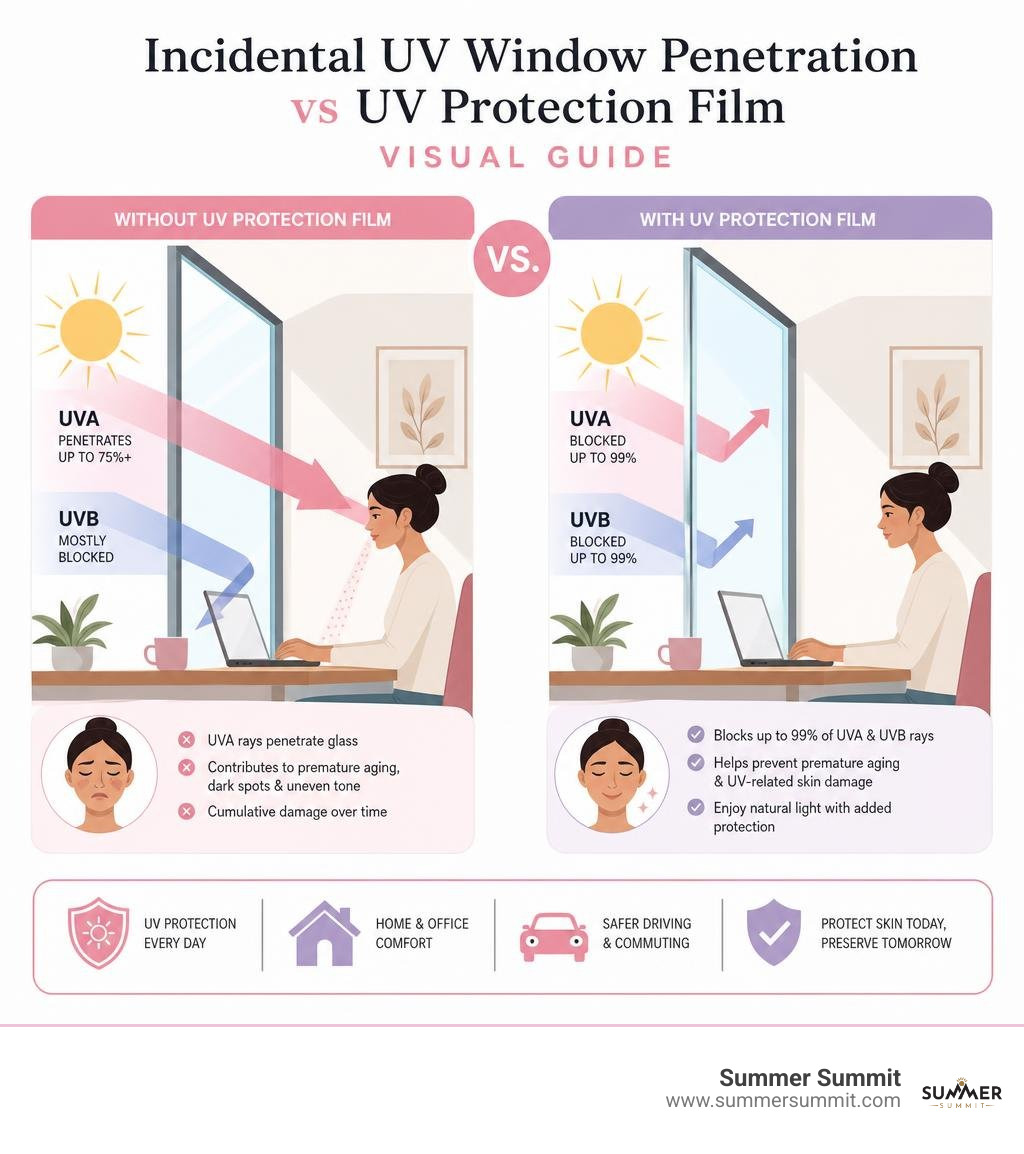
To mitigate indoor and in-transit exposure, consider installing clear or tinted UV-protective window films on automobile side windows and home/office glass. Professional window films can block up to 99% of both UVA and UVB rays without reducing visible illumination or driving safety.
Proper Sunscreen Application, Reapplication, and Myth Busting
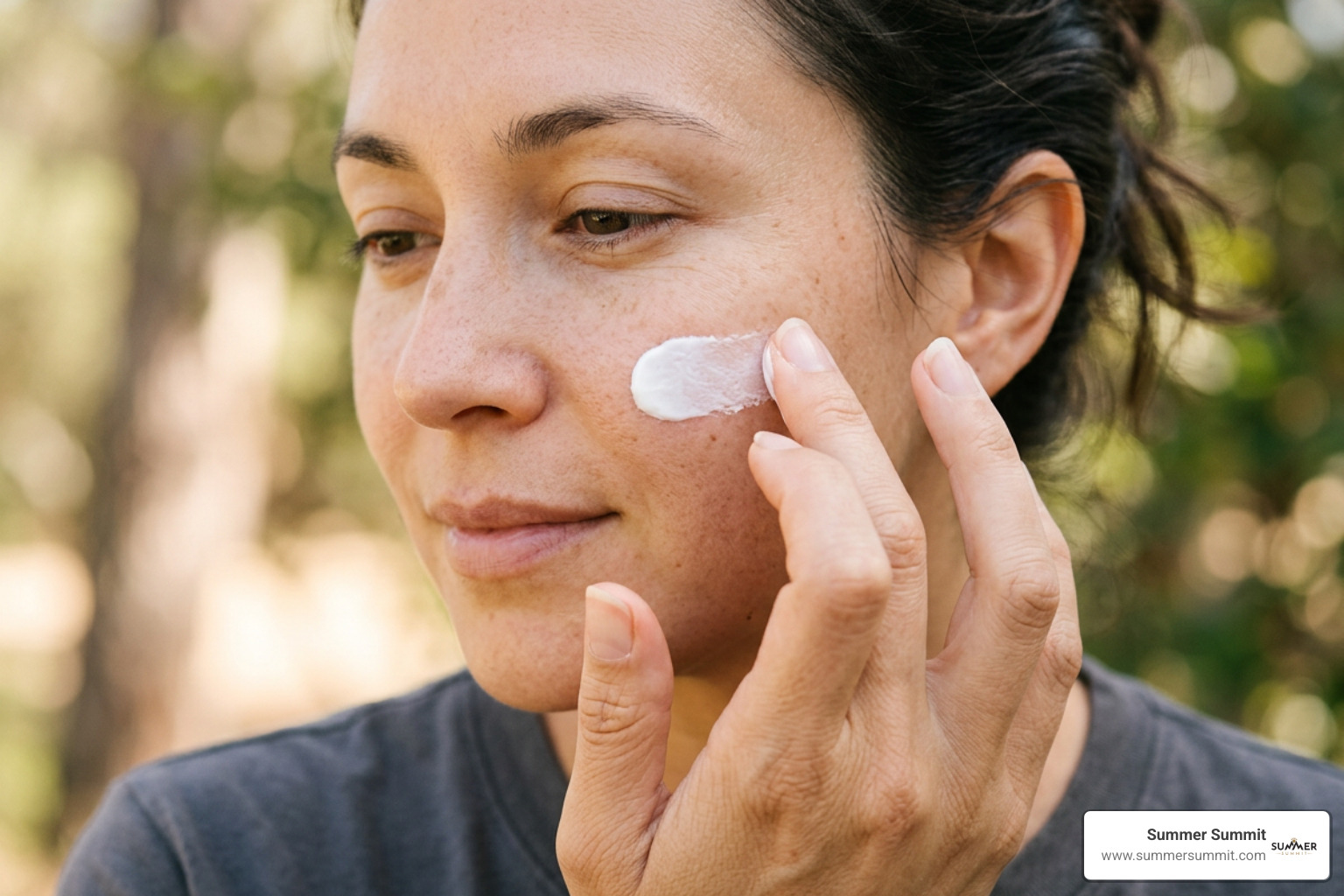
Even the most advanced broad-spectrum sunscreen will fail to shield your skin if applied incorrectly or sparingly. Most people only apply 20% to 50% of the actual formula required to achieve the Sun Protection Factor (SPF) printed on the product label. For an in-depth medical overview of topical active filters, reference the NCBI clinical review on photoprotection.
Physical vs Chemical Sunscreen Active Ingredients
Sunscreen formulations fall into two primary active classifications: physical (mineral) filters and chemical (organic) filters. Understanding the operational differences between these ingredients helps you select the exact vehicle and texture suited to your skin's unique needs.
- Physical (Mineral) Active Ingredients: Mineral formulations rely on two naturally occurring inorganic compound minerals: Zinc Oxide and Titanium Dioxide. Contrary to historical belief that minerals act solely like physical mirrors reflecting light away, modern research shows mineral filters work primarily by absorbing UV radiation energy and converting it into harmless thermal energy, alongside a small fraction of light scattering (around 5–10%). Zinc Oxide is widely considered the gold-standard filter because it provides photostable, uniform protection across the entire UVA and UVB spectrum. Mineral sunscreens are non-comedogenic, non-irritating, and sit gently on the skin surface, making them ideal for sensitive, acne-prone, or post-procedure skin. Learn more about ingredient choices in our complete guide to Zinc Oxide And Your Skincare.
- Chemical Active Ingredients: Chemical formulations utilize organic carbon-based chemical filters, such as Avobenzone, Octisalate, Octocrylene, and Homosalate. These active compounds absorb incoming UV photon energy directly into their molecular bonds, releasing the energy back out as low-grade heat. Chemical filters easily dissolve into lightweight, clear liquids, allowing for elegant lotion and gel formulations that leave zero white cast on dark skin tones. However, certain traditional chemical filters can occasionally cause localized contact dermatitis or stinging in individuals with sensitive skin.
| Feature | Physical (Mineral) Sunscreens | Chemical Sunscreens |
|---|---|---|
| Active Ingredients | Zinc Oxide, Titanium Dioxide | Avobenzone, Octisalate, Octocrylene, Homosalate |
| Mechanism | Absorbs UV rays into thermal energy; reflects/scatters 5–10% | Absorbs UV rays directly into molecular carbon bonds |
| Onset of Action | Effective immediately upon uniform application | Requires ~15 to 20 minutes to form an effective film |
| Skin Sensitivity | Extremely gentle; ideal for rosacea, eczema, and sensitive skin | Can occasionally cause stinging or photoallergic reactions |
| Aesthetic Finish | May leave a subtle white cast unless micronized/tinted | Typically rubs in clear; transparent on dark skin tones |
Application Amounts, the Teaspoon Rule, and Reapplication
To achieve labeled protection, sunscreen must be applied at a precise concentration of 2 milligrams per square centimeter ($2\text{ mg/cm}^2$) of skin surface area.
To easily measure this out in your daily life, follow these simple guidelines:
- The Teaspoon Rule for the Face and Neck: Allocate roughly 1 full teaspoon (about 5 mL) of sunscreen exclusively for your head, face, ears, and neck. If applying to the face alone, use the "two-finger rule"—dispense two thick strips of product down the full length of your index and middle fingers.
- The Shot Glass Rule for the Full Body: An average adult wearing a swimsuit requires at least 1 ounce (30 mL)—roughly a full shot glass—of topical sunscreen to cover exposed body areas.
- Hard-to-Reach and Forgotten Zones: Don't forget easy-to-miss areas including the tops of the ears, back of the neck, eyelids, chest, tops of feet, behind the knees, and along hairline partings. If you have fine or thinning hair, shield vulnerable crown areas using specialized formulas designed for scalp safety; check our recommended choices for the Best Scalp Sunscreen.
- Reapplication Timing: Reapply sunscreen at least once every two hours during continuous outdoor activity. Reapply immediately after swimming, heavy sweating, or towel drying. It is vital to note that regulatory authorities explicitly ban terms like "waterproof," "sweatproof," or "sunblock." Water-resistant products are rigorously tested to remain effective for either 40 minutes or 80 minutes while submerged in water.
Evidence-Based Truths Behind Common Sunscreen Myths
Misinformation surrounding topical sun protection remains widespread. Let's look at what clinical research shows regarding common photoprotection claims. For additional evidence-based statistics, explore the official AAD sunscreen facts.
-
Myth 1: Daily sunscreen use causes systemic Vitamin D deficiency.
- The Evidence: Extensive clinical trials show that daily sunscreen application under real-world recreational conditions does not trigger systemic Vitamin D deficiency. Sunlight contains abundant radiation; even with proper application, sufficient micro-doses of UVB penetrate skin layers to drive natural Vitamin D synthesis without increasing skin cancer risks.
-
Myth 2: You don't need sunscreen on cloudy or overcast days.
- The Evidence: Up to 80% of solar UV radiation penetrates cloud cover easily. While heavy clouds reduce direct thermal heat from visible light, damaging UVA rays cut through fog, smog, and clouds unabated.
-
Myth 3: Nanoparticles in mineral sunscreens enter the bloodstream and pose toxic health risks.
- The Evidence: Extensive safety evaluations demonstrate that micronized Zinc Oxide and Titanium Dioxide nanoparticles remain locked entirely within the dead outer layer of skin (the stratum corneum). They do not cross healthy skin barriers into circulation or organ systems.
-
Myth 4: A high SPF rating (like SPF 100) means I can stay out all day without reapplying.
- The Evidence: SPF scale percentages work logarithmically, not linearly. SPF 15 filters 94% of UVB rays; SPF 30 filters roughly 97%; SPF 50 filters 98%; and SPF 100 filters roughly 99%. No product blocks 100% of UV rays. High-number SPFs do not last longer on your skin, nor do they allow you to extend time between reapplication intervals past two hours.
Tailored Precautions for Sensitive Skin, Children, and Medications
Different skin conditions, ages, and medical treatments alter how human skin responds to solar radiation. Customizing photoprotection strategies ensures safety across every stage of life. Review official clinical guidelines on specialized care within the DermNet guide on sun safety.
Tailored Sun Protection Precautions for Sensitive Skin and Pediatrics
Infants and individuals with sensitive skin conditions (such as eczema, psoriasis, or rosacea) require tailored photoprotection approaches:
- Infants Under 6 Months: Pediatric authorities advise against applying topical sunscreen to infants younger than six months. An infant's skin barrier is significantly thinner and highly permeable, making systemic absorption of active chemicals unpredictable. Furthermore, infants have a higher surface-area-to-body-mass ratio, increasing metabolic sensitivity. Keep babies younger than six months completely out of direct midday sunlight using stroller canopy shades, lightweight UPF clothing, and wide-brimmed baby bonnets.
- Toddlers and Children (6+ Months): When children reach six months of age, broad-spectrum sunscreen becomes appropriate. Choose gentle mineral formulations based on Zinc Oxide or Titanium Dioxide. Mineral active ingredients stay on the surface of tender skin and will not sting sensitive eyes during active play.
- Sensitive and Reactive Skin: Adults suffering from reactive skin conditions should choose fragrance-free, hypoallergenic, non-comedogenic physical mineral formulations. To explore dedicated choices engineered for maximum relief, review our complete guide on the Best Sun Creams For Sensitive Skin.
Drug-Induced Photosensitivity and Medication Precautions
Certain common prescription and over-the-counter medications can dramatically increase your skin's susceptibility to solar radiation, causing extreme burn reactions, rash outbreaks, or long-term hyperpigmentation. Drug-induced photosensitivity occurs through two distinct biological pathways:
- Phototoxicity: A non-immunological chemical reaction where an oral or topical drug absorbs UV energy in the skin, releasing energy that directly damages surrounding cellular membranes. Phototoxic reactions appear like severe, exaggerated sunburns occurring within minutes to hours after sun exposure.
- Photoallergy: A cell-mediated immune response where UV light fundamentally alters a medication's chemical structure within the dermis, causing the body's immune system to view the altered drug as a foreign antigen. It triggers an itchy, eczema-like rash that can spread to unexposed skin days after exposure.
Common photosensitizing drug classes include:
- Antibiotics: Doxycycline, Tetracycline, Fluoroquinolones (Ciprofloxacin), Trimethoprim
- Cardiovascular and Diuretic Drugs: Hydrochlorothiazide (HCTZ), Amiodarone, Diltiazem
- Nonsteroidal Anti-Inflammatory Drugs (NSAIDs): Naproxen, Ketoprofen, Celecoxib
- Retinoids and Acne Treatments: Oral Isotretinoin, Topical Tretinoin, Benzoyl Peroxide
- Psychotropic Medications: Chlorpromazine, Tricyclic Antidepressants
If you take any photosensitizing medications, rigorous physical photoprotection, broad-spectrum SPF 50+ usage, and shade-seeking become mandatory.
Frequently Asked Questions About Photoprotection
Does regular sunscreen use cause vitamin D deficiency?
No. Multiple randomized controlled trials and observational studies show that regular, everyday application of broad-spectrum sunscreen has no clinically significant impact on blood serum Vitamin D levels ($25\text{-hydroxyvitamin D}$). Real-world application rarely forms a 100% impenetrable barrier, permitting enough ambient UVB light to hit the skin for baseline synthesis. If you are concerned about your Vitamin D status, consult your physician about dietary adjustments or oral Vitamin D3 supplementation.
Do indoor glass windows protect against harmful UV rays?
Standard window glass blocks UVB radiation effectively, preventing sunburns indoors. However, standard commercial and automotive side glass allows up to 75% or more of UVA rays to penetrate deeply into room interiors and car cabins. UVA rays drive collagen degradation, premature wrinkles, hyperpigmentation, and long-term skin cancer risks. To block indoor UVA exposure, install clear UV-blocking protective window film on home, office, and vehicle windows.
What is the difference between UPF and SPF ratings?
UPF (Ultraviolet Protection Factor) is a standardized metric used specifically for testing clothing fabrics. UPF measures how effectively a woven textile blocks both UVA and UVB radiation from passing through the fabric onto skin layers (e.g., UPF 50 allows only $1/50\text{th}$ of UV light to penetrate).
SPF (Sun Protection Factor) is a metric applied exclusively to topical skincare products. SPF measures how much longer it takes for UVB radiation to cause red erythema (sunburn) on sunscreen-protected skin compared to unprotected skin.
Conclusion
Building consistent sun protection habits is one of the most effective ways to preserve your skin's youthfulness, health, and vitality for decades to come.
By layering broad-spectrum mineral SPF, high-performance UPF apparel, protective eyewear, and smart shade-seeking habits into your daily routine, you can comfortably enjoy the outdoors while protecting your skin.
At Summer Summit Skincare, our team is dedicated to formulating clean, cruelty-free, dermatologist-tested solutions free from parabens, sulfates, and harsh irritants—all backable by our 100% satisfaction guarantee and free shipping. To explore complete defense routines designed for daily life, read our full Ultimate All Day Sun Protection Guide.
Dejar un comentario