

Can You Use Vitamin C Serum While Pregnant
Is Vitamin C Serum Safe to Use During Pregnancy?
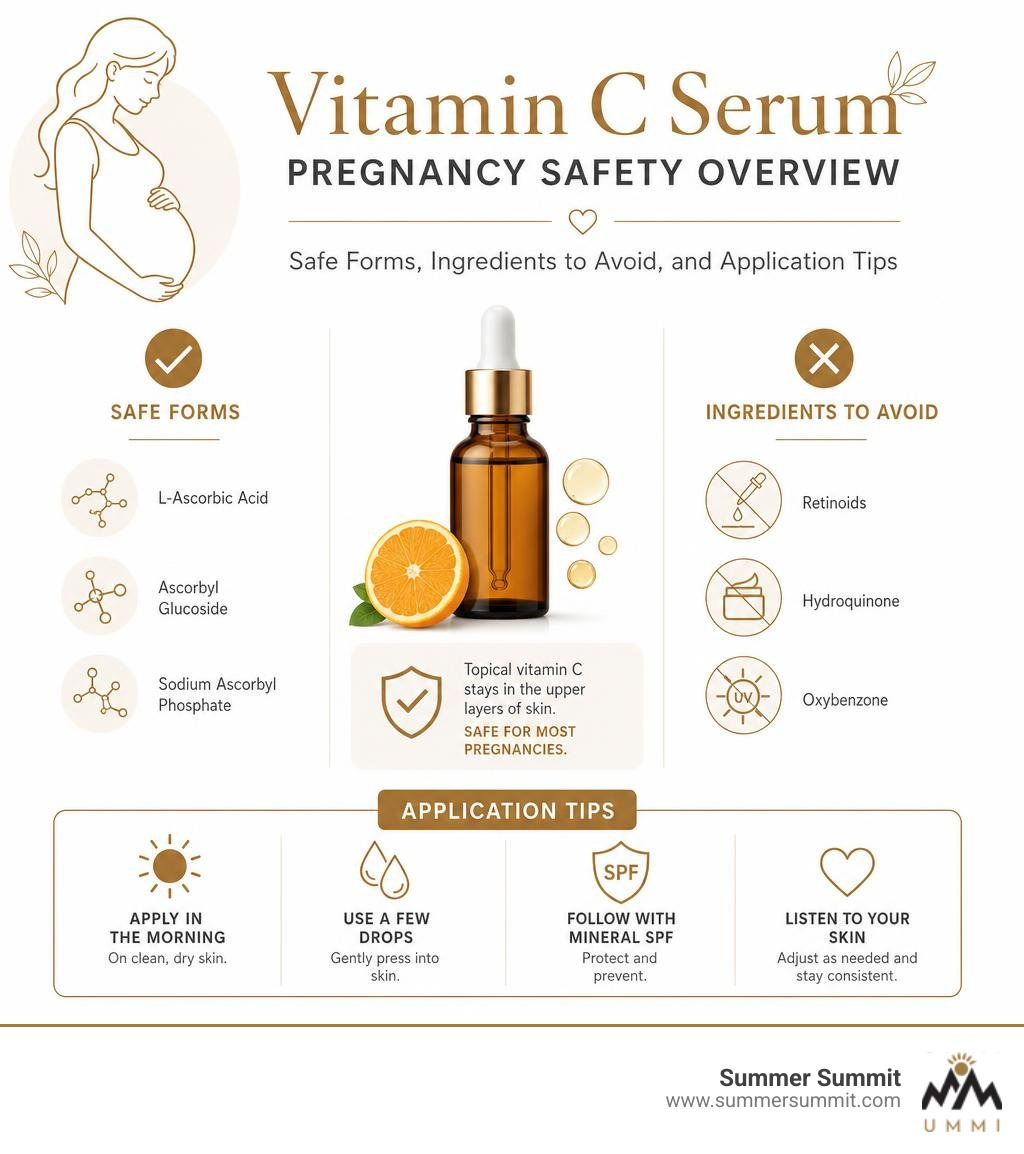
Vitamin C serum is pregnancy safe for most women, according to the majority of dermatologists. Here's the short answer:
| Question | Quick Answer |
|---|---|
| Is vitamin C serum safe during pregnancy? | Yes, for most women |
| Does it absorb into the bloodstream? | Minimal absorption at typical concentrations |
| Which forms are safest? | L-ascorbic acid, ascorbyl glucoside, sodium ascorbyl phosphate |
| What should you avoid in the formula? | Retinoids, hydroquinone, oxybenzone |
| When should you apply it? | Morning, followed by mineral SPF |
Pregnancy changes everything about your skin. Hormonal shifts can trigger melasma, uneven tone, and increased sensitivity — often right when your usual go-to actives like retinol are off the table.
That leaves a lot of pregnant women wondering: what can I actually still use?
Vitamin C is one of the few active ingredients that consistently gets a green light from dermatologists throughout all trimesters. Applied topically, it stays in the upper layers of the skin and doesn't reach the bloodstream in amounts that would affect fetal development. But — and this matters — the whole formula still counts. A vitamin C serum paired with retinoids or hydroquinone is a very different product from a clean, straightforward vitamin C formula.
I'm Robert McCann, founder of Summer Summit Skincare, where I focus on evidence-based formulation and have worked directly with laboratories to evaluate active ingredients like those found in a vitamin C serum safe for pregnancy use. In this guide, I'll walk you through exactly what to look for, what to avoid, and how to use vitamin C confidently throughout your pregnancy.
Why a Vitamin C Serum is Pregnancy Safe
When we evaluate any skincare ingredient for use during pregnancy, the primary concern is systemic absorption. If an ingredient penetrates deep enough to enter your bloodstream, it could theoretically cross the placenta and affect your developing baby.
Topical vitamin C is widely considered safe because of its incredibly low absorption rate. When you apply a vitamin C serum, the active molecules remain localized in the epidermal layers of your skin. Unlike oral supplements, which distribute throughout your entire system, topical application acts exactly where you put it.
According to a comprehensive Dermatologist guide on pregnancy-safe skincare, topical vitamin C does not penetrate deeply enough to reach the bloodstream in any significant amounts. It performs its antioxidant work right at the surface, neutralizing free radicals and supporting your skin's natural defenses without interfering with fetal development. Furthermore, the body naturally processes and metabolizes vitamin C, meaning your skin already knows exactly how to handle it.
To explore the clinical data surrounding vitamin C safety, you can read the Scientific research on topical vitamin C safety compiled by leading toxicology databases. These clinical reviews show that while oral intake should remain within the daily Recommended Dietary Allowance (RDA), topical application carries negligible risk.
Benefits of Vitamin C for Pregnancy Skin Concerns
Pregnancy hormones — specifically estrogen and progesterone — can send your melanin-producing cells into overdrive. This often leads to a condition called chloasma, commonly known as melasma or "the mask of pregnancy." These dark, symmetrical patches on the forehead, cheeks, and upper lip can be incredibly stubborn to treat, especially since the gold-standard brightening ingredient, hydroquinone, is strictly off-limits during pregnancy.
This is where a high-quality, vitamin C serum pregnancy safe formula becomes your absolute best friend. Vitamin C delivers several key benefits to help you maintain your pregnancy glow:
- Inhibits Melanin Production: Vitamin C naturally interferes with tyrosinase, the enzyme responsible for producing melanin. By putting the brakes on this enzyme, it helps fade existing dark spots and prevents new hyperpigmentation from forming.
- Supports Collagen Synthesis: As your body grows, skin elasticity becomes incredibly important. Vitamin C is a crucial co-factor in collagen synthesis, helping to keep your skin firm, bouncy, and resilient.
- Neutralizes Free Radicals: Sun damage, pollution, and blue light from screens can accelerate skin aging and worsen melasma. As a potent antioxidant, vitamin C neutralizes these free radicals, offering an extra layer of defense beneath your sunscreen.
- Brightens Dull Skin: Hormonal fluctuations and sleep deprivation can leave your complexion looking tired. Vitamin C promotes cellular turnover, bringing fresh, radiant skin to the surface.
Choosing the Best Vitamin C Serum Pregnancy Safe Formulations
Now that you know vitamin C is safe to use, the next step is finding the right formulation. Not all vitamin C serums are created equal, and during pregnancy, your skin's barrier is naturally more vulnerable and prone to irritation.
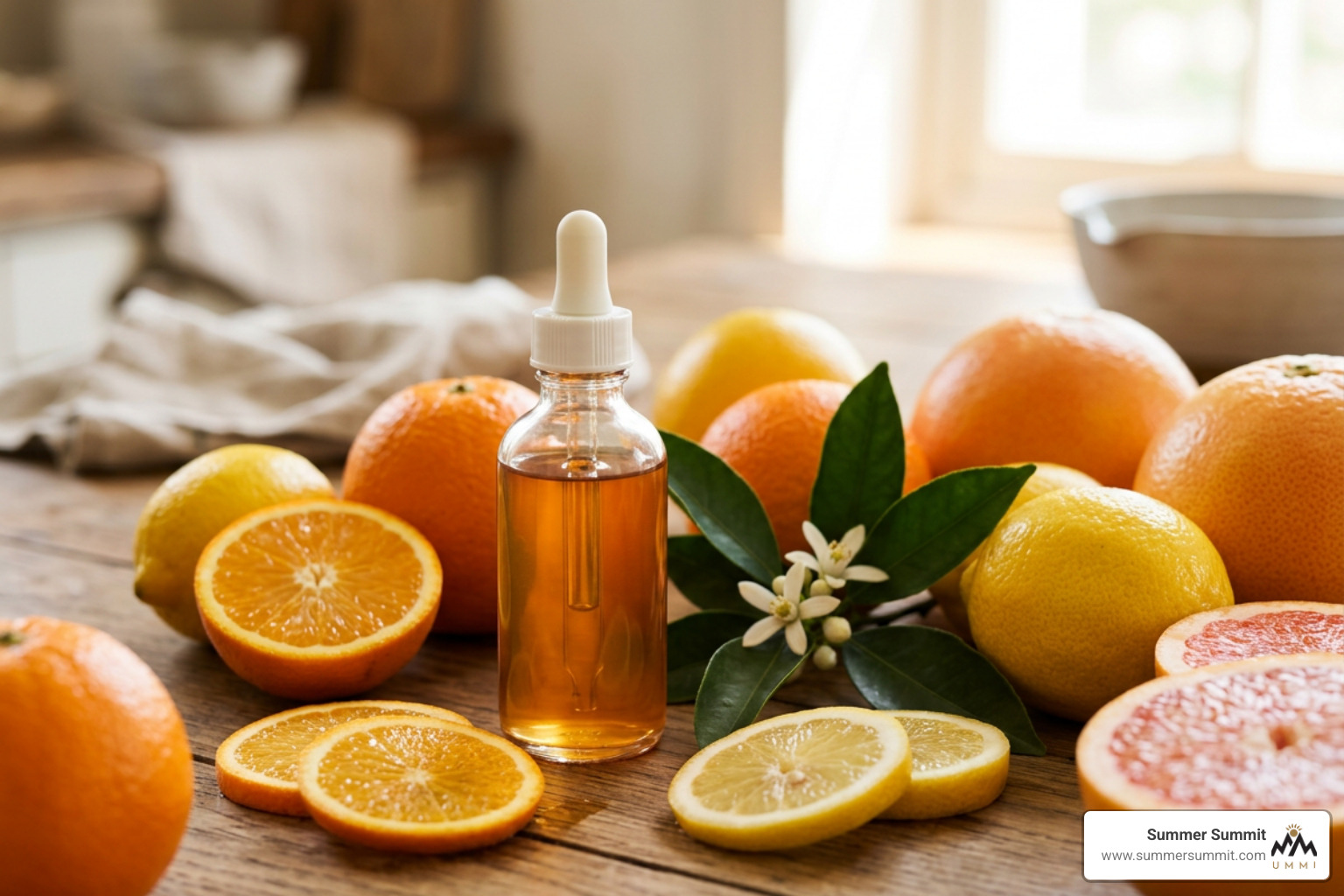
When shopping for a vitamin C serum pregnancy safe option, we recommend focusing on clean beauty principles. This means choosing formulas that are free of synthetic fragrances, parabens, phthalates, and sulfates.
Formulation stability is also critical. Pure vitamin C (L-ascorbic acid) is notoriously unstable. When exposed to light, air, or heat, it oxidizes quickly, turning a dark amber color. Oxidized vitamin C is not only ineffective, but it can actually cause irritant contact dermatitis on sensitive skin. Look for packaging that protects the formula, such as opaque, airless pumps or dark amber glass bottles.
Additionally, pay attention to pH levels. Traditional L-ascorbic acid formulas require a highly acidic pH (around 2.0 to 3.5) to penetrate the skin. While effective, this low pH can cause stinging, redness, and flaking on sensitive pregnancy skin.
Safest Forms of Vitamin C for Expectant Mothers
If your skin is feeling particularly sensitive, you might want to skip pure L-ascorbic acid and opt for gentler, more stable vitamin C derivatives. Here are the safest and most effective forms of vitamin C to look for:
- L-Ascorbic Acid: The purest, most biologically active form of vitamin C. It is highly effective but can be irritating at high concentrations (above 15%) or low pH levels.
- Ascorbyl Glucoside: A water-soluble derivative combined with glucose. It is incredibly stable, gentle on the skin, and gradually converts into pure vitamin C once absorbed.
- Sodium Ascorbyl Phosphate (SAP): A stable, water-soluble form that is particularly great for acne-prone pregnancy skin, as it has natural antimicrobial properties.
- Tetrahexyldecyl Ascorbate (THD Ascorbate): An oil-soluble, highly stable derivative that penetrates deeper into the lipid layers of the skin without causing irritation.
To learn more about why THD Ascorbate is highly favored by dermatologists, check out our deep dive on tetrahexyldecyl ascorbate in your skin care.
To help you compare your options, we've broken down how these common forms of vitamin C perform:
| Vitamin C Form | Stability | Irritation Risk | Best For |
|---|---|---|---|
| L-Ascorbic Acid | Low (Oxidizes easily) | Moderate to High | Normal skin looking for maximum potency |
| THD Ascorbate | High (Very stable) | Very Low | Sensitive, dry, or mature pregnancy skin |
| Ascorbyl Glucoside | High (Stable in water) | Low | First-time users and highly reactive skin |
Supporting Ingredients to Look For
A great serum doesn't rely on a single ingredient. To keep your skin barrier strong and hydrated, look for a vitamin C serum that is paired with nourishing, soothing "sidekicks":
- Hyaluronic Acid: This humectant draws moisture deep into the skin, plumping up fine lines and combating the dryness that many women experience during the first and third trimesters.
- Ceramides: These essential lipids help rebuild and maintain your skin's natural moisture barrier, preventing transepidermal water loss and keeping irritants out.
- Vitamin E (Tocopherol): When combined, vitamin C and vitamin E work in perfect synergy. Vitamin E stabilizes vitamin C, making it significantly more effective at fighting free radical damage.
To understand how these antioxidants work together to double your skin's defense, read our guide on vitamin C and E together in a serum.
Ingredients to Avoid When Selecting a Vitamin C Serum
While vitamin C itself is incredibly safe, many commercial serums on the market blend vitamin C with other active ingredients to boost anti-aging or exfoliating results. During pregnancy, some of these companion ingredients can pose serious risks to your baby.
Retinoids and Retinyl Palmitate
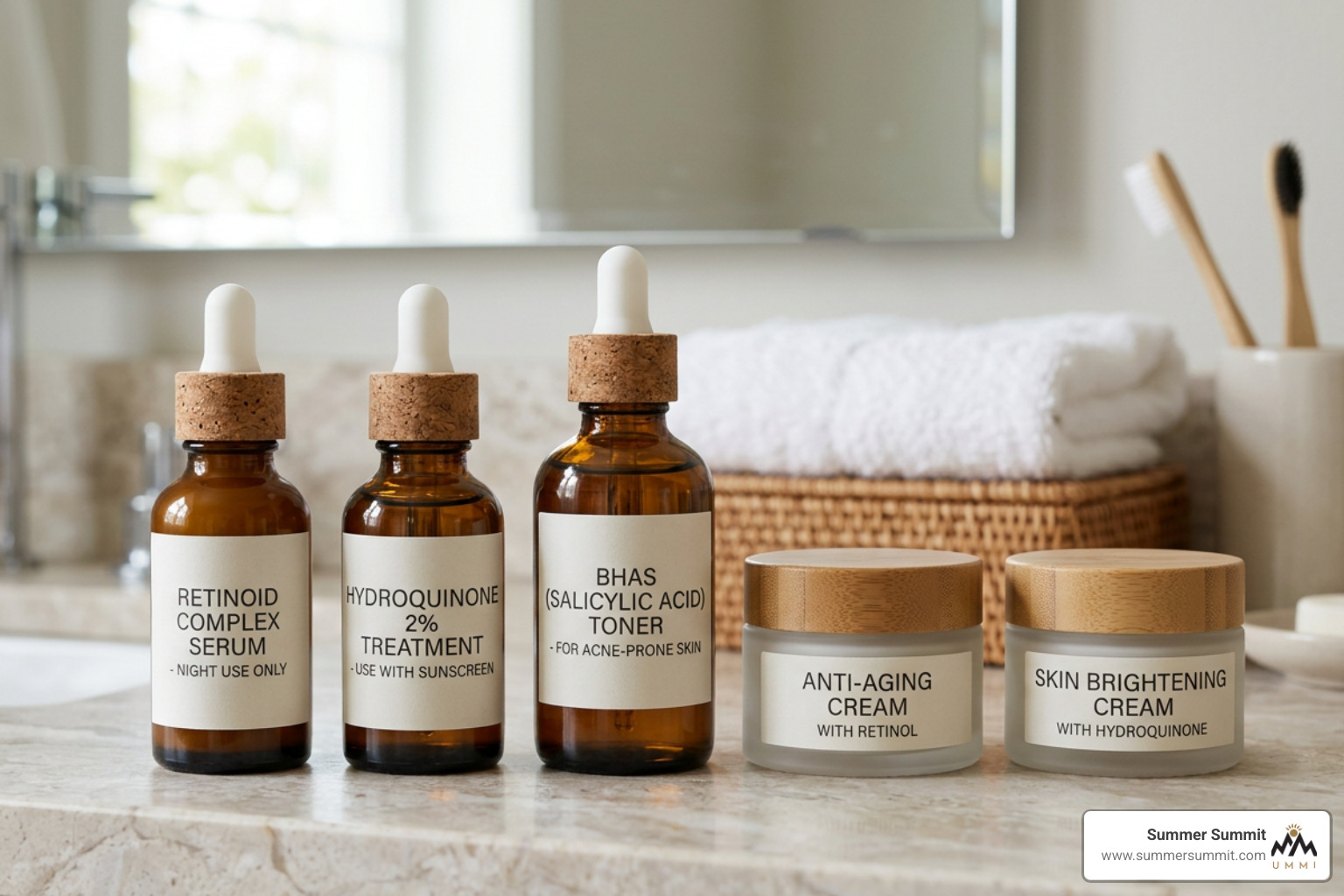
Many nighttime brightening serums pair vitamin C with retinol or retinyl palmitate to accelerate cellular turnover. However, all topical retinoids (including prescription tretinoin, over-the-counter retinol, and retinyl palmitate) are strictly contraindicated during pregnancy.
High doses of oral vitamin A are proven to cause fetal retinoid syndrome, a condition that leads to severe congenital birth defects. While the systemic absorption of topical retinoids is relatively low, medical experts advise a zero-tolerance policy out of an abundance of caution.
Make sure to read our detailed breakdown of retinol in your skincare as well as the risks of retinyl palmitate vitamin A and your skincare to ensure these ingredients don't accidentally slip into your routine.
Hydroquinone and Chemical Sunscreens
Hydroquinone is a powerful skin-lightening agent often used to treat severe melasma. However, clinical studies show that hydroquinone has an exceptionally high systemic absorption rate — between 35% and 45% of the applied product enters the bloodstream. Because of this high absorption rate, hydroquinone must be completely avoided until after you finish breastfeeding.
Additionally, you should be cautious about the sunscreens you layer over your vitamin C. Chemical sunscreen filters like oxybenzone, octinoxate, and avobenzone can absorb into the skin and have been detected in human breast milk and plasma. Oxybenzone, in particular, has been flagged for potential endocrine-disrupting properties.
Instead, always pair your morning vitamin C serum with a physical, mineral-based sunscreen containing zinc oxide or titanium dioxide. These mineral filters sit on top of the skin like physical shields, reflecting UV rays without absorbing into your body.
For a comprehensive checklist of what is safe and what is not, check out our guide on skincare products to avoid and some to use during pregnancy.
How to Safely Use Vitamin C in Your Pregnancy Skincare Routine
Using a vitamin C serum pregnancy safe formula is simple, but a few strategic adjustments can help you maximize your results while minimizing any potential for irritation.
Step-by-Step Morning Application
We highly recommend using your vitamin C serum in the morning. This allows the antioxidant properties of the serum to work alongside your sunscreen, providing maximum protection against UV rays and environmental pollution throughout the day.
Here is your ideal morning routine:
- Cleanse: Wash your face with a gentle, sulfate-free, hydrating cleanser to remove any oil or nighttime products. Pat dry.
- Apply Vitamin C: Smooth 3 to 5 drops of your vitamin C serum over your face, neck, and chest. Allow it to fully absorb for 2 to 3 minutes.
- Moisturize: Apply a gentle moisturizer containing ceramides or hyaluronic acid to lock in hydration and support your skin barrier.
- Protect: Finish with a generous layer of broad-spectrum mineral sunscreen (SPF 30 or higher).
How to Tell if Your Vitamin C Serum is Pregnancy Safe
Before applying any product to your skin, do a quick label check. Here is our simple checklist to verify if a serum is pregnancy-safe:
- Check the Active Form: Ensure the vitamin C is listed as L-ascorbic acid, ascorbyl glucoside, sodium ascorbyl phosphate, or tetrahexyldecyl ascorbate.
- Scan for No-Go Ingredients: Verify that the formula does not contain retinol, retinyl palmitate, hydroquinone, salicylic acid (above 2%), or chemical UV filters like oxybenzone.
- Look for Safety Certifications: Seek out products labeled as paraben-free, phthalate-free, and synthetic fragrance-free. You can also cross-reference products with trusted clean beauty databases, such as looking for EWG verified and clean beauty reviews to find formulas that have been independently vetted for safety.
Frequently Asked Questions About Pregnancy-Safe Skincare
Can I use vitamin C serum every day while pregnant?
Yes, you can absolutely use vitamin C serum daily, provided your skin tolerates it well. If you are introducing a new vitamin C product to your routine, we recommend starting slowly - applying it every other morning for the first two weeks. If your skin barrier feels comfortable and shows no signs of redness or irritation, you can safely transition to daily morning application.
What are the best pregnancy-safe vitamin C serums recommended in 2025 and 2026?
The best pregnancy-safe vitamin C serums are usually the ones that prioritize stability, low irritation potential, and barrier support. Instead of choosing based on hype, look for formulas with:
- A gentle vitamin C form: THD ascorbate, sodium ascorbyl phosphate, ascorbyl glucoside, or a well-formulated low-to-moderate strength L-ascorbic acid.
- Barrier-supporting ingredients: Ceramides, hyaluronic acid, glycerin, vitamin E, and other soothing hydrators can help reduce dryness and sensitivity.
- Pregnancy-conscious formulation: Choose products that are free of retinoids, hydroquinone, oxybenzone, synthetic fragrance, parabens, phthalates, and harsh irritants.
- Protective packaging: Opaque, airless, or dark glass packaging helps reduce oxidation and keeps vitamin C more effective for longer.
If you are unsure whether a specific formula is appropriate for your pregnancy skincare routine, ask your dermatologist or OB-GYN to review the full ingredient list.
Are there any risks of using vitamin C serum while pregnant?
The primary risk associated with topical vitamin C is localized skin irritation, such as mild redness, itching, or a tingling sensation upon application. This is more common with high concentrations of pure L-ascorbic acid or formulas with a very low pH.
Additionally, using an oxidized vitamin C product - one that has turned dark orange or brown due to air exposure - can cause contact dermatitis. Always store your serum in a cool, dark place, keep the cap tightly sealed, and discard any product that has changed color or developed a sour smell.
Conclusion
Navigating skincare during pregnancy can feel overwhelming, but you don't have to sacrifice your glow to keep your baby safe. By swapping out high-risk ingredients for clean, stable, and gentle alternatives, you can successfully manage melasma, support collagen production, and protect your skin's natural barrier.
At Summer Summit, we are deeply committed to clean beauty. Our dermatologist-formulated products are 100% cruelty-free, completely free of sulfates, parabens, and harmful irritants, and are backed by our 100% satisfaction guarantee. Plus, we offer free shipping on all orders to help make your skincare transition as seamless as possible.
If you have any questions about adjusting your skincare routine or want personalized advice, our team is always here to help.
Ready to learn more about how this incredible antioxidant can transform your complexion? Read our full guide on Vitamin C: The Powerful Skin Brightening Agent to discover the science behind the ultimate pregnancy-safe glow.
Leave a comment