

Get Your Glow Back with These Kojic Acid Creams
Why a Cream with Kojic Acid and Vitamin C Might Be the Skin Fix You've Been Missing
Using a cream with kojic acid and vitamin C is one of the most effective ways to fade dark spots, reduce hyperpigmentation, and get a brighter, more even complexion.
Quick answer — what these creams do best:
- Fade dark spots and post-acne marks
- Reduce melasma and sun-related pigmentation
- Even out skin tone with regular daily use
- Protect skin from free radical damage (vitamin C)
- Block melanin production at the source (kojic acid)
Most people start seeing results within 3–4 weeks of consistent use, with continued improvement over 6–8 weeks.
If you've spent time outdoors — at the beach, on the water, or just living your life in the sun — you know the toll it takes on your skin. Dark spots appear. Tone gets uneven. And the shelf fills up with half-used products that promised results but never delivered.
Here's the thing: most brightening products work on the surface. A cream that combines kojic acid with vitamin C goes deeper. Kojic acid blocks the enzyme that triggers melanin production, while vitamin C neutralizes free radical damage and supports collagen. Together, they target pigmentation from two different angles — which is why this combination consistently outperforms single-ingredient formulas.
I'm Robert McCann, founder of Summer Summit Skincare, and through years of working directly with labs on evidence-based formulations, I've seen how the right cream with kojic acid and vitamin C can deliver real, measurable results when the formula is done right. In this roundup, I'll walk you through the top options worth your time and money.
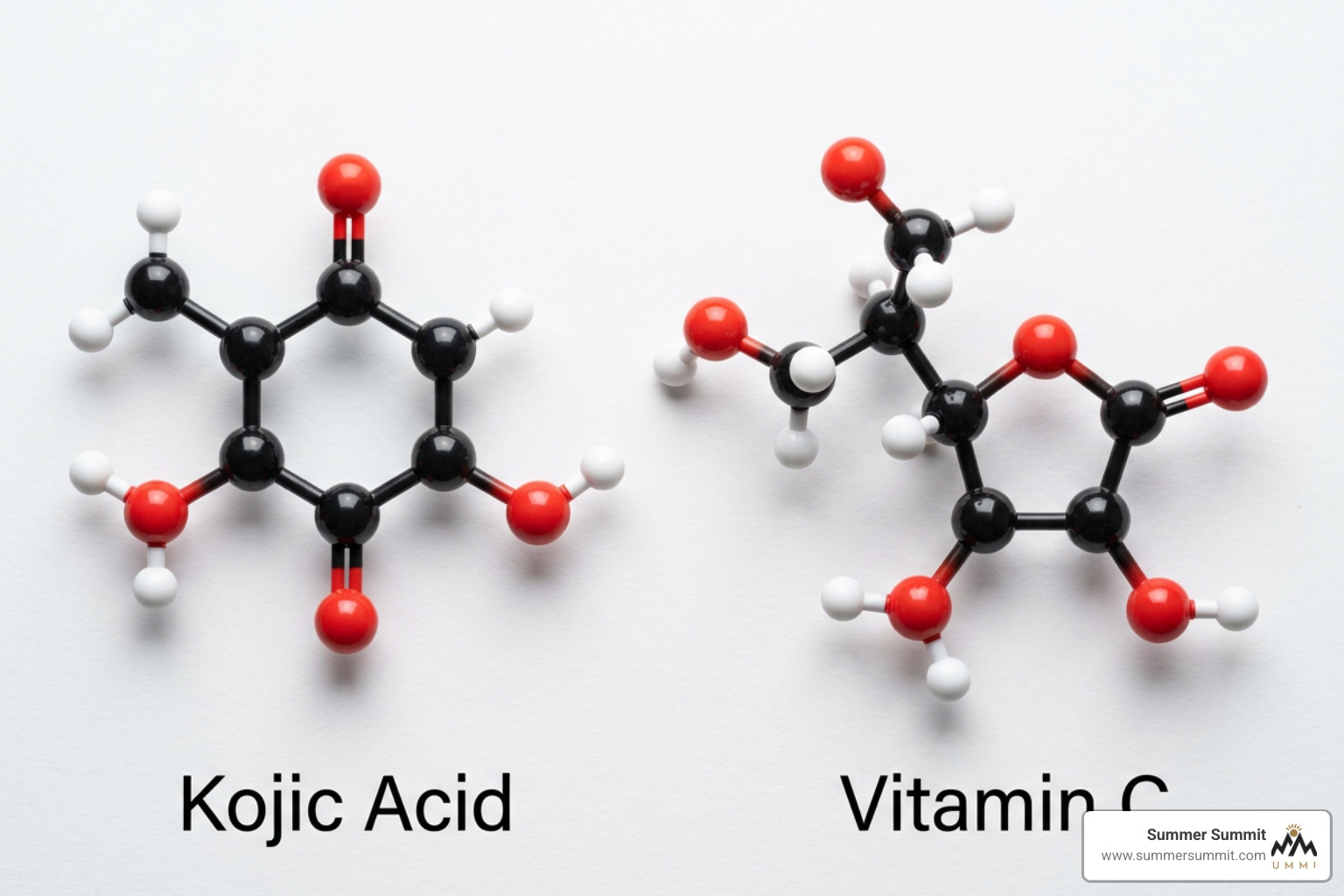
Why Choose a Cream with Kojic Acid and Vitamin C?
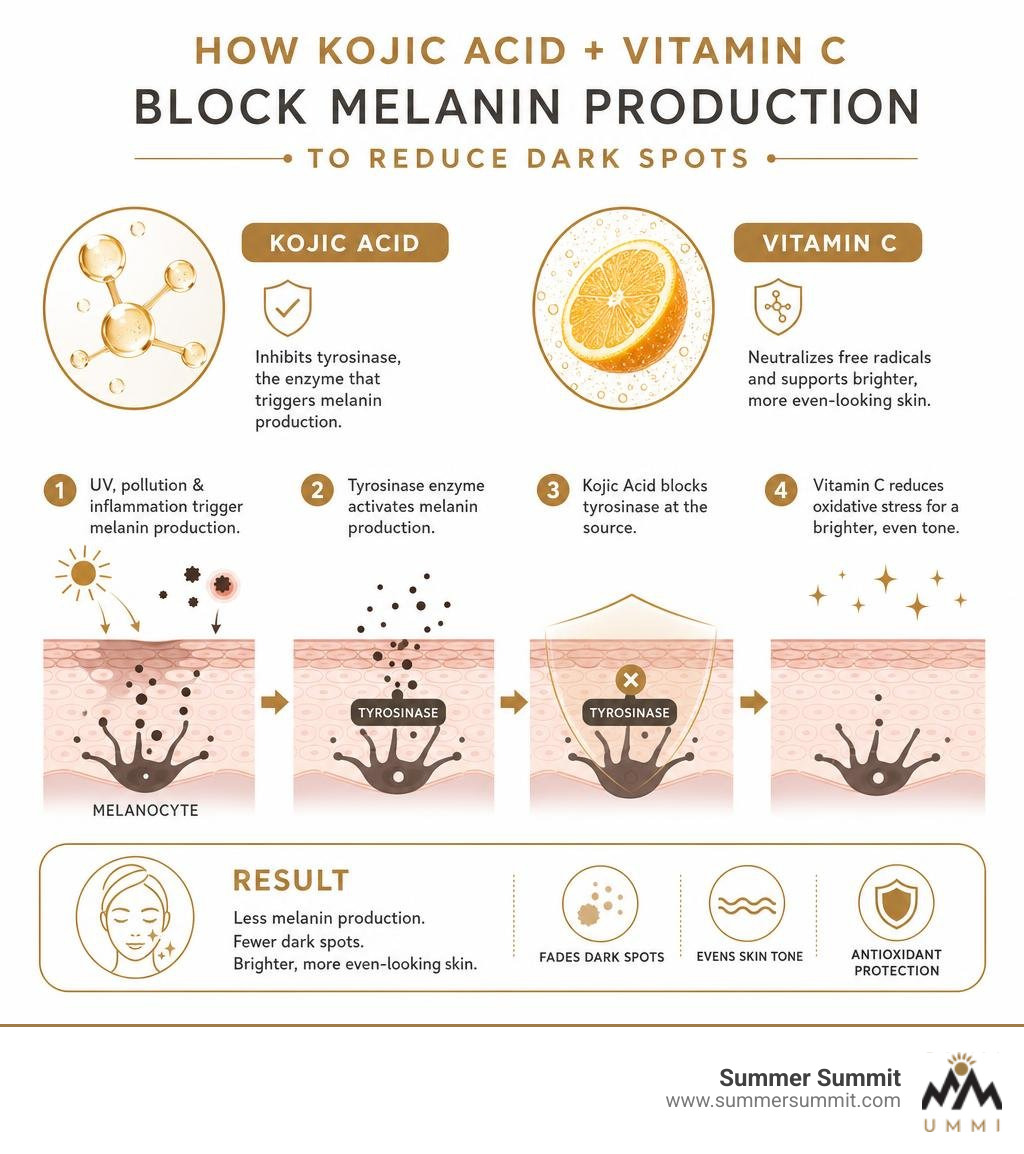
When we set out to understand how to reverse stubborn pigmentation, we have to look at how melanin (the pigment that gives our skin its color) is made. Our skin cells produce melanin using an enzyme called tyrosinase. When your skin is exposed to UV light, pollution, or inflammatory triggers like acne, tyrosinase goes into overdrive, leading to dark spots, sunspots, and melasma.
This is where a cream with kojic acid and vitamin C becomes an absolute game-changer. These two powerhouse actives address hyperpigmentation through complementary pathways:
- Tyrosinase Inhibition (Kojic Acid): Derived naturally from fungi and rice fermentation, kojic acid is a celebrated tyrosinase inhibitor. It physically blocks the copper-binding site on the enzyme, preventing it from signaling your cells to produce excess pigment. This makes it incredibly efficient at getting rid of unwanted dark spots and slowing down future tanning and discoloration.
- Antioxidant Protection & Collagen Support (Vitamin C): While kojic acid works on the enzymatic level, vitamin C acts as a brilliant shield. As a potent antioxidant, it neutralizes free radicals caused by sun exposure and pollution, which would otherwise trigger the inflammatory response that causes dark patches. Additionally, vitamin C accelerates collagen production, helping to repair the skin's structural matrix and restore a healthy bounce.
By combining these two ingredients in a single cream formulation, you get a dual-action system. Kojic acid prevents new dark spots from forming, while vitamin C actively brightens existing dullness and repairs environmental damage. If you are struggling with a tired, uneven tone, understanding how to brighten dull and lifeless complexion starts with feeding your skin these targeted, synergetic actives.
Top Brightening Creams to Transform Your Complexion

Finding the perfect formulation is all about choosing the right vehicle for your skin type. Creams offer a distinct advantage over watery serums because they contain lipids and emollients that lock in moisture, helping to repair the skin barrier while delivering active ingredients deeply into the epidermis.
Below, we compare the top brightening cream profiles to help you choose the formulation that aligns with your specific goals:
| Cream Formulation Type | Key Active Ingredients | Best For | Expected Results Timeline |
|---|---|---|---|
| Kojic Vita Cen Complex | Kojic Acid, Vitamin C, Centella Asiatica, Hyaluronic Acid | Sensitive, dry, or reactive skin needing soothing hydration | 3 to 4 weeks for initial radiance; 6 to 8 weeks for dark spots |
| Pharmaceutical-Grade Brightener | 2% Kojic Acid, Vitamin C | Targeted, intensive spot treatment and stubborn melasma | 3 weeks for visible tone evening; 6 weeks for deep pigmentation |
| Botanical Vitamin C Blend | Vitamin C, Kojic Acid, Natural Citrus Extracts | Overall daily brightening, mild sun damage, and antioxidant protection | 4 weeks for texture and glow; 8 weeks for sunspots |
| Multi-Acid Advanced Complex | Kojic Acid, Alpha Arbutin, Tranexamic Acid, Niacinamide | Severe, stubborn hyperpigmentation, melasma, and post-acne marks | 1 to 2 weeks for texture; 4 to 6 weeks for significant fading |
The Power of Kojic Acid and Vitamin C Synergy
For those who want maximum brightening without causing a flare-up of redness, looking for a formula that balances active ingredients with soothing botanicals is key. Many modern formulations utilize a specialized complex—often combining kojic acid, vitamin C, and Centella Asiatica (often referred to as a "Kojic Vita Cen" blend).
Centella Asiatica is a legendary soothing herb that calms inflammation, while hyaluronic acid and glycerin pull water into the skin. This structural balance is highly effective because kojic acid can sometimes cause mild dryness when used in its pure form. By wrapping these brighteners in a hydrating, moisture-rich cream, you get all the pigment-fading power with none of the flaking.
For safety and quality assurance, you can also review official regulatory standards, such as those found on the official DailyMed label for topical formulations, to understand how these active ingredients are classified and managed.
Choosing an Effective Kojic Acid and Vitamin C Cream
When shopping for a high-quality cream with kojic acid and vitamin C, concentration and stability are everything. Pure vitamin C (L-ascorbic acid) is notoriously unstable and can oxidize quickly when exposed to air and light. Look for creams that use stabilized vitamin C derivatives, such as 3-O-ethyl ascorbic acid or sodium ascorbyl phosphate. These derivatives remain active for much longer and penetrate the skin barrier without causing the stinging sensation often associated with pure acidic formulas.
Additionally, pay attention to the type of kojic acid used. While pure kojic acid is highly effective, some sensitive skin formulations use kojic dipalmitate, an oil-soluble ester of kojic acid that is exceptionally stable, less prone to color changes over time, and gentler on reactive skin types. If you want to dive deeper into how these ingredients are paired for optimal clinical efficacy, read our comprehensive guide on the kojic acid and vitamin c cream synergy.
For those looking for affordable, focused skincare options, pharmaceutical-grade solutions offer a straightforward, no-nonsense approach to fading dark spots and evening out the skin tone on a budget.
Vitamin C-Infused Brightening Creams
If your primary concern is overall dullness, a lack of radiance, and mild environmental damage, prioritizing a vitamin C-dominant cream with supporting kojic acid is an excellent path forward. Vitamin C acts as a natural skin-brightening agent that restores the skin's luminous quality by promoting cellular turnover and sweeping away dead, pigment-laden surface cells.
To learn more about how this antioxidant transforms tired skin, you can discover the power of vitamin c the powerful skin brightening agent. When paired with emollient bases that support the skin barrier, these creams keep the skin plump and hydrated, which naturally reflects light better and makes the skin look instantly more radiant.
If you are looking for a highly rated option that focuses on this natural, antioxidant-rich brightening approach, choosing a well-formulated vitamin C cream is an excellent choice for restoring a youthful, healthy glow.
Advanced Formulations with Alpha Arbutin and Tranexamic Acid
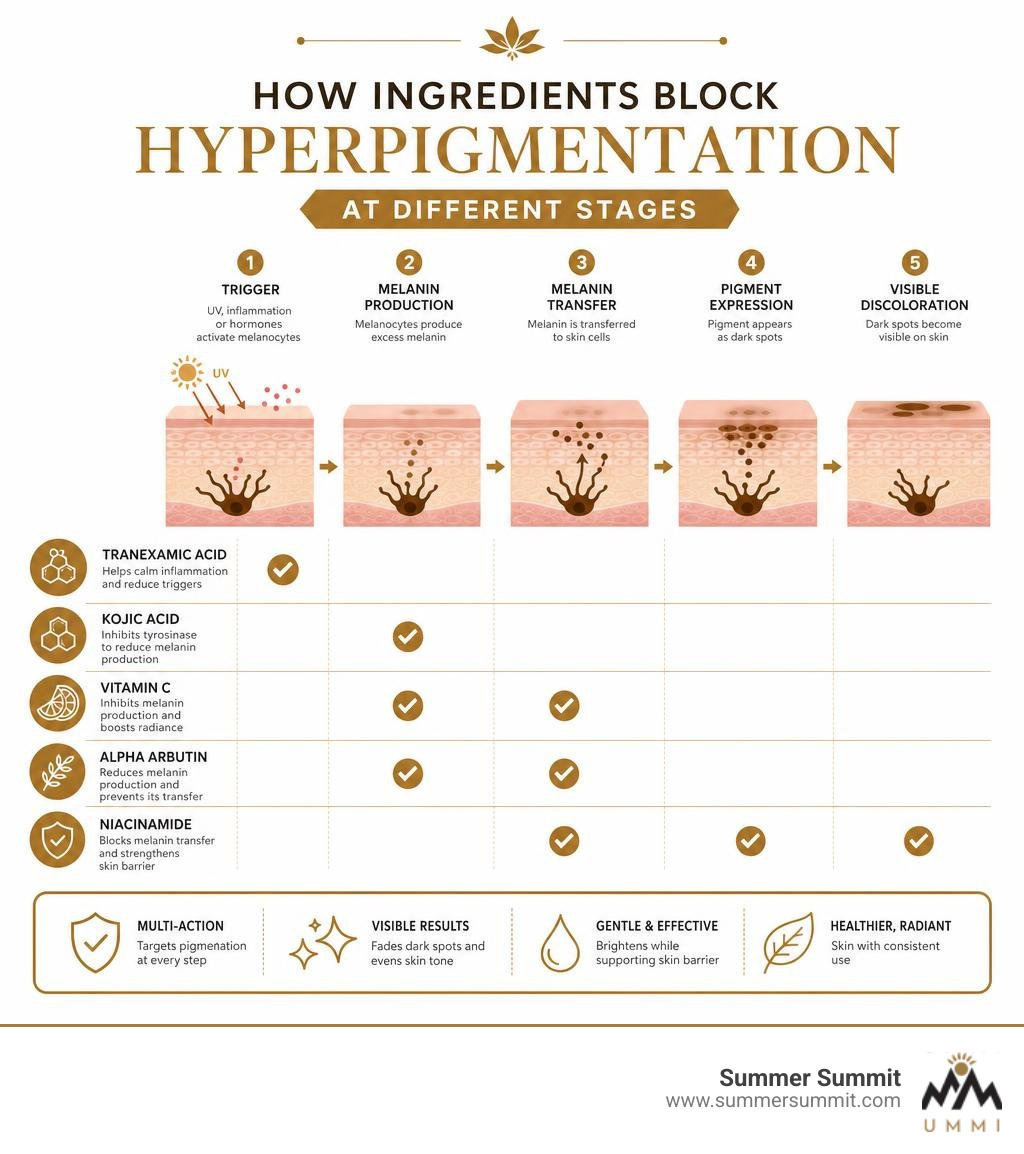
For stubborn, deeply rooted pigment concerns, a single active ingredient might not be enough. That is where multi-ingredient synergy comes into play. Advanced face creams often combine kojic acid and vitamin C with other heavy-hitting brighteners like Alpha Arbutin, Tranexamic Acid, and Niacinamide.
Why does this multi-pronged approach work so well? Hyperpigmentation is a complex process with multiple steps. While kojic acid and alpha arbutin block tyrosinase from producing melanin, tranexamic acid works by slowing down the inflammatory pathways that trigger melanocytes in the first place (especially useful for vascular-driven pigmentation like melasma). Meanwhile, niacinamide (Vitamin B3) steps in to block the transfer of that pigment to the surface skin cells, while also strengthening the skin's moisture barrier.
This comprehensive strategy is essential for treating specific, stubborn conditions. To find out which type of discoloration you are dealing with, you can read our guides to understand melasma vs hyperpigmentation or take a closer look at your skin's patterns to find out do i have hyperpigmentation.
How to Safely Use Kojic Acid and Vitamin C in Your Routine
Because a cream with kojic acid and vitamin C contains active, skin-transforming ingredients, using it correctly is the key to getting beautiful results without causing unwanted irritation. Here is our step-by-step guide to incorporating these powerful brighteners into your daily routine:
- Start with a Patch Test: Before applying any new active cream to your face, apply a small pea-sized amount to your inner forearm or the side of your neck. Wait 24 to 48 hours to ensure you do not experience severe redness, itching, or swelling.
- Cleanse Gently: Wash your face with a mild, hydrating cleanser. Avoid using harsh physical scrubs or strong exfoliating acids (like high-percentage AHAs or BHAs) immediately before applying your brightening cream, as this can increase skin sensitivity.
- Apply a Thin, Even Layer: Take a moderate amount of your kojic acid and vitamin C cream and spread it evenly across your face and neck. Gently massage or pat the cream into your skin for 3 to 5 minutes to ensure optimal absorption.
- Lock It In (Optional): If you have very dry skin, follow up with a simple, fragrance-free moisturizer to keep your skin barrier comfortable.
- Never Skip Sunscreen: This is the most critical step! Kojic acid reduces melanin production, which temporarily lowers your skin's natural defense against UV rays. Always apply a broad-spectrum sunscreen with SPF 30 or higher every single morning. Skipping sunscreen can cause your dark spots to return—effectively undoing all of your hard work.
If you are using these ingredients to repair sun-damaged skin, you can read more about how to select the best face cream to reverse sun damage. To explore different ways to formulate these actives for your daily routine, take a look at our expert breakdown of choosing a face cream with kojic acid.
Frequently Asked Questions About Brightening Creams
How long does it take to see results from a kojic acid and vitamin C cream?
Most people begin to notice a visible improvement in their skin's overall radiance and a softening of minor discoloration within 3 to 4 weeks of daily, consistent use. For deeper, more stubborn dark spots, acne scars, and melasma, it typically takes 6 to 8 weeks of continuous application and diligent sun protection to see significant fading. To learn more about how to maximize the benefits of this ingredient, check out our guide on kojic acid face cream.
Can I use vitamin C and vitamin E together with kojic acid?
Absolutely! In fact, we highly recommend it. Vitamin C and Vitamin E are known as "network antioxidants." When used together, Vitamin E helps stabilize Vitamin C, preventing it from degrading, and doubles its photoprotective qualities. Adding kojic acid to this antioxidant mix creates a highly effective defense system that brightens existing spots while protecting your skin from the free radical damage that causes future aging. You can read about vitamin c and e together in a serum to understand how this relationship works.
Is kojic acid better than niacinamide or tranexamic acid?
Rather than being "better," they simply work differently! Kojic acid is a direct tyrosinase inhibitor, meaning it stops the chemical reaction that creates pigment in the first place. Niacinamide does not stop pigment production; instead, it prevents the completed pigment from transferring into your visible skin cells while building up your skin barrier. Tranexamic acid is exceptional at calming the inflammatory pathways that trigger pigment production. For the best results, look for a cream that combines these ingredients to target hyperpigmentation from every possible angle.
Conclusion
Getting your natural glow back does not have to be a guessing game. By choosing a high-quality cream with kojic acid and vitamin C, you are giving your skin a clinically proven, dual-action solution that targets dark spots at the source while restoring healthy, radiant color.
At Summer Summit, we believe in creating premium, evidence-based skincare that delivers real results without compromising your skin's health. Our dermatologist-formulated products are 100% cruelty-free and completely free of sulfates, parabens, and harsh, unnecessary irritants. We are so confident you will love the transformation in your skin that we back every purchase with a 100% satisfaction guarantee and offer free shipping on all orders.
Ready to start your journey to brighter, clearer skin? Explore the Summer Summit Blog for more expert skincare tips, product guides, and science-backed advice to help you achieve your ultimate skin goals.
Leave a comment