

Master Your Skincare Routine with This Kojic Acid Guide
Why Getting Kojic Acid and Vitamin C Cream How to Use Right Actually Matters
How to use kojic acid and vitamin C cream — quick answer:
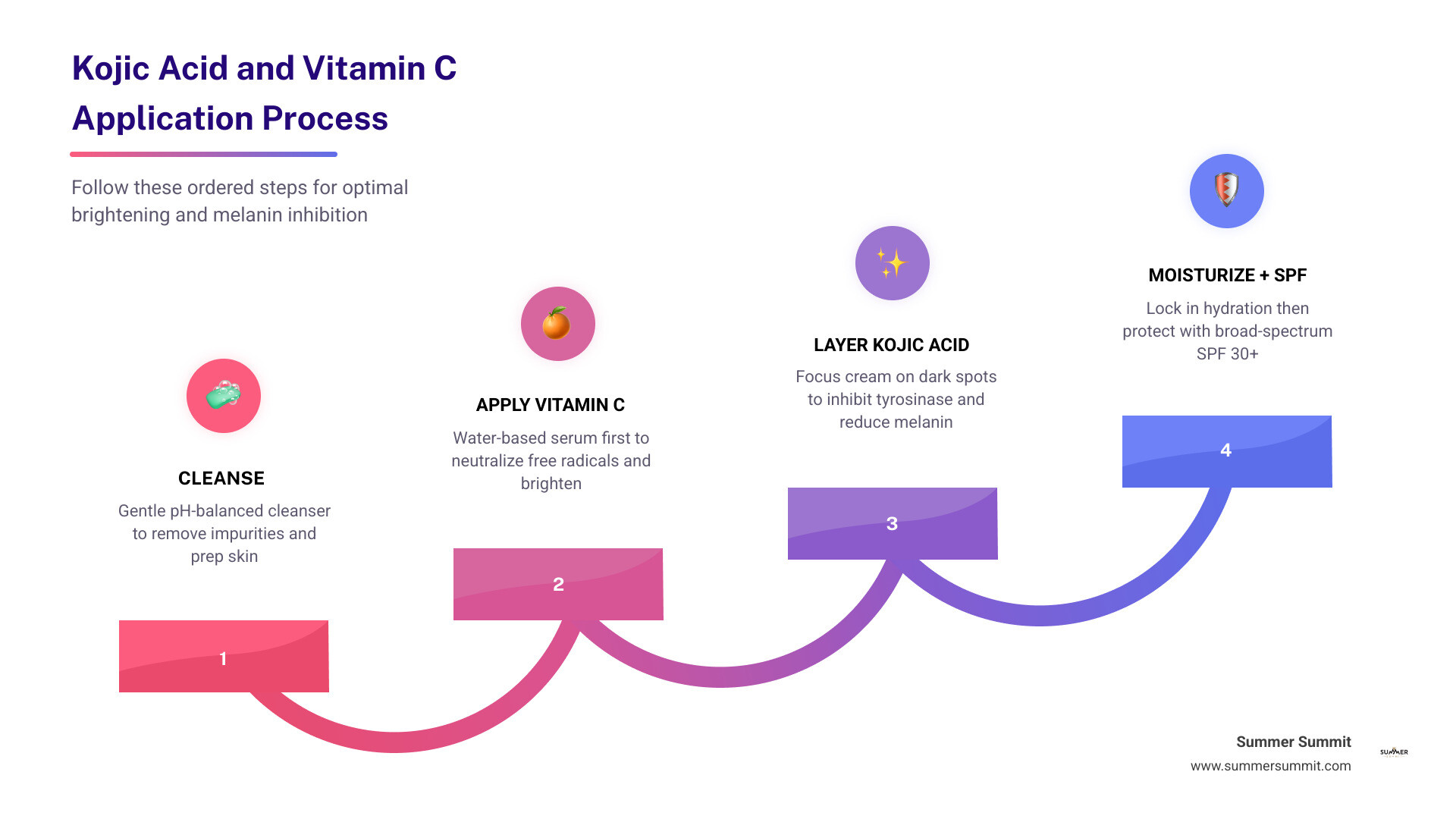
- Cleanse your face with a gentle, pH-balanced cleanser and pat dry
- Apply vitamin C serum or product first — it absorbs quickly and preps skin
- Apply kojic acid cream on top, focusing on dark spots and uneven areas
- Moisturize to lock in hydration and protect your skin barrier
- Apply SPF 30+ every morning without exception — both ingredients increase sun sensitivity
- Start slow — every other night for the first two weeks, then increase frequency as your skin adjusts
If you've spent real money on brightening products that promised results and delivered disappointment, you're not alone. Dark spots, uneven tone, and stubborn hyperpigmentation are genuinely difficult to treat — and most products either don't contain the right ingredients or don't explain how to use them properly.
That's where this combination stands out. Kojic acid and vitamin C work at different stages of melanin production, which means they complement each other rather than just doubling up on the same mechanism. Used correctly, they can deliver noticeably brighter, more even skin — without the harsh side effects that come from guessing your way through a routine.
But the application process matters. A lot.
I'm Robert McCann, founder of Summer Summit Skincare, where I've spent years working directly with labs and evaluating active ingredients like those found in kojic acid and vitamin C cream to understand exactly how to use them for real, consistent results. In the sections below, I'll walk you through the full process — from choosing the right formulation to building a routine that actually sticks.
Understanding the Power Duo: Kojic Acid and Vitamin C
In skincare, we often hear about "miracle" ingredients, but few pairings have the clinical backing that kojic acid and vitamin C enjoy. To master kojic acid and vitamin C cream how to use, we first need to understand what these ingredients are and why they belong together.
Kojic acid is a naturally occurring compound derived from various types of fungi, including the Aspergillus oryzae mushroom. It was popularized in Japan during the 1980s and 90s, where it was discovered as a byproduct of the fermentation process for sake and soy sauce. Its primary superpower is acting as a tyrosinase inhibitor. Tyrosinase is the enzyme responsible for creating melanin; by blocking it, kojic acid effectively slows down the production of pigment, making it a "quiet overachiever" in fading dark spots.
Vitamin C, on the other hand, is the gold standard of antioxidants. While it also helps inhibit melanin, it adds a layer of defense by neutralizing free radicals caused by UV exposure and pollution. It’s also essential for collagen synthesis, helping the skin stay firm and bouncy. When you combine them, you aren't just attacking pigmentation; you're protecting the skin's overall health.
For a deeper dive into how these two stack up, check out this guide to hyperpigmentation. We also explore why Vitamin C is a powerful skin brightening agent in our dedicated ingredient spotlight.
How Kojic Acid and Vitamin C Cream Works to Brighten Skin
Why do they work better together? Think of your skin’s pigmentation process as an assembly line. Kojic acid steps in early to stop the "melanin machines" (the tyrosinase enzymes) from starting. Vitamin C then works to brighten the pigment that has already reached the surface and prevents new environmental damage from triggering more production.
This synergistic effect means you get faster results with potentially lower concentrations of each ingredient, which reduces the risk of irritation. Vitamin C can even help stabilize kojic acid, which is notoriously "fussy" and prone to oxidizing when exposed to air.
Using a derivative like Tetrahexyldecyl Ascorbate in your skincare can further enhance this process, as this specific form of Vitamin C is oil-soluble and penetrates deeper than traditional L-ascorbic acid.
Choosing Effective and Stable Formulations
Not all creams are created equal. When shopping for kojic acid and vitamin C cream, look for these markers of quality:
- Concentration: Most effective creams contain 1% to 4% kojic acid. For Vitamin C, a range of 10% to 20% is common, though sensitive types should start lower.
- Packaging: Both ingredients are sensitive to light and air. Avoid jars where you have to dip your fingers in; instead, look for airless pumps or opaque tubes.
- Supporting Ingredients: Look for formulas that include niacinamide, hyaluronic acid, or ceramides. These help soothe the skin and maintain the moisture barrier while the "actives" do the heavy lifting.
Step-by-Step: Kojic Acid and Vitamin C Cream How to Use
Applying these potent ingredients isn't just about slapping them on and hoping for the best. To see a real difference in your complexion by May 2026, you need a disciplined approach.

The foundation of any routine is a clean canvas. Start with a gentle, sulfate-free cleanser. If your skin is still covered in dirt or leftover makeup, these active ingredients won't be able to penetrate the skin barrier effectively. After cleansing, you may use a pH-balanced toner, but ensure your skin is completely dry before moving to the treatment step. Applying acids to damp skin can sometimes increase absorption too quickly, leading to stinging.
For more expert tips on the application process, Dr. Sakhiya's guide on how to use kojic acid cream offers excellent clinical insights.
The Best Application Order for Maximum Absorption
The general rule of thumb in skincare is to apply products from thinnest to thickest consistency. This ensures that water-based serums aren't blocked by heavier creams or oils.
If you are using separate products:
- Vitamin C Serum: Apply this first. It is usually water-based and needs to reach the deeper layers of the epidermis.
- Kojic Acid Cream: Apply this second. The cream formulation acts as a targeted treatment and provides a layer of hydration.
If you are using a combined kojic acid and vitamin C cream, apply a pea-sized amount to the entire face, or use it as a spot treatment on specific areas of concern like the cheeks or forehead. Our face cream with kojic acid is designed specifically for this layering process.
Kojic Acid and Vitamin C Cream How to Use for Beginners
If you are new to these ingredients, don't dive into twice-daily usage immediately. Your skin needs to build a "tolerance."
- The Patch Test: Apply a small amount of the cream to your inner forearm or behind your ear. Wait 24 to 48 hours to check for redness, itching, or blistering.
- The "Slow and Steady" Method: Start by using the cream only three times a week, preferably at night.
- The Buffer: If you have very sensitive skin, you can apply a thin layer of plain moisturizer before your kojic acid cream to slow down its absorption.
For those looking for a gentler start to brightening, our Beta Carotene Brightening Serum is an excellent alternative or companion to a more intensive cream routine.
Safety First: Precautions and Side Effects
While we love the results of this duo, we have to respect the potency of the chemistry. Kojic acid, in particular, can be drying for some skin types.
| Skin Type | Potential Risk | Recommendation |
|---|---|---|
| Oily/Acne-Prone | Low | Great for fading post-acne marks. |
| Dry | Moderate | Use with a heavy ceramide moisturizer. |
| Sensitive | High | Start with 1% concentration; use every 3rd day. |
| Reactive/Rosacea | High | Consult a dermatologist before use. |
Common side effects include mild redness, a slight tingling sensation upon application, or temporary dryness. However, if you experience intense burning or "hot" skin, wash the product off immediately. For more in-depth safety answers, this Kojic Acid Q&A covers the most common user concerns.
It is also worth noting that Vitamin C works exceptionally well when paired with other antioxidants. We discuss the benefits of Vitamin C and E together in a serum for those looking to maximize their skin's defense system.
Why Daily Sunscreen is Non-Negotiable
This is the most important part of kojic acid and vitamin C cream how to use. Kojic acid works by inhibiting melanin — your skin's natural defense against UV rays. This means your skin becomes significantly more vulnerable to sun damage while using these products.
If you use a brightening cream at night but skip sunscreen the next morning, you are essentially undoing all your hard work. The sun will trigger "rebound pigmentation," often making your dark spots darker than they were before you started treatment. Always use a broad-spectrum SPF 30 or higher, even on cloudy days in May 2026.
What to Expect: Results and Timeline
Patience is a virtue in skincare. You aren't going to wake up with a new face after one application. Here is a realistic breakdown of what you'll see:
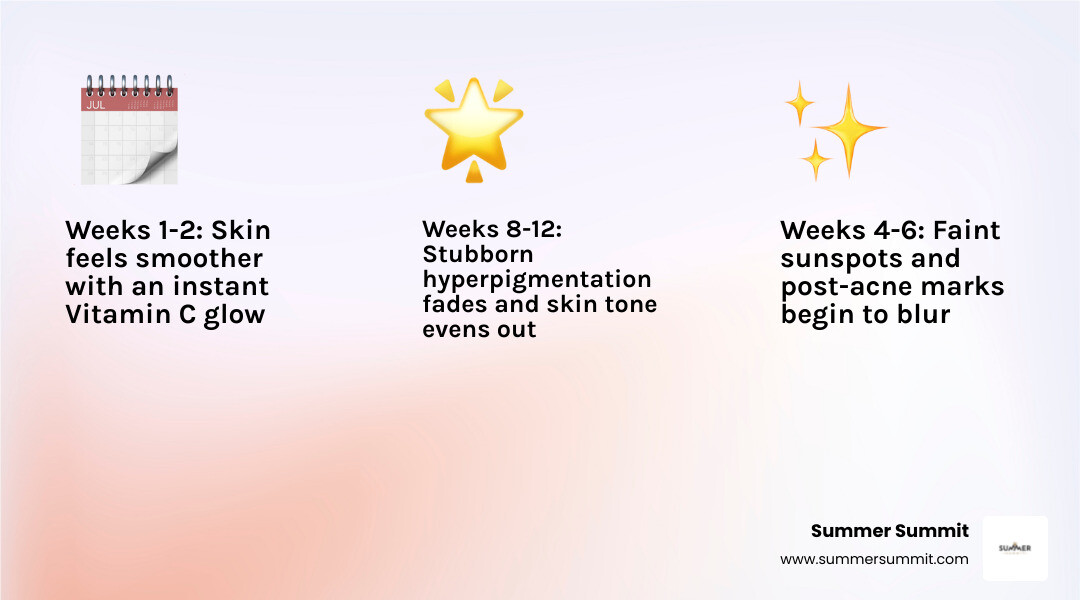
- Weeks 1-2: You might notice a slight improvement in skin texture. Your skin may feel smoother, and you'll get that "Vitamin C glow" almost immediately.
- Weeks 4-6: This is when the melanin inhibition starts to become visible. Faint sunspots and post-acne marks will begin to blur at the edges.
- Weeks 8-12: This is the "sweet spot." Most users report significant fading of stubborn hyperpigmentation and a much more even overall skin tone.
For long-term success, consistency is more important than intensity. To learn more about maintaining your glow, read about best practices for daily use.
Frequently Asked Questions about Brightening Creams
Can I use kojic acid and vitamin C together every day?
Yes, most people can eventually use them daily once their skin has acclimated. However, if you are also using other actives like retinol or AHAs, you should alternate them (e.g., brightening cream in the morning, retinol at night). For a medical perspective on this combination, see this discussion on treating hyperpigmentation.
Which skin types benefit most from this combination?
Those with oily or combination skin often see the best results, as these skin types tend to be more resilient. It is also the "holy grail" for anyone dealing with melasma or post-inflammatory hyperpigmentation (the dark marks left behind by pimples).
How long does it take to see visible results?
While some initial radiance appears within 3-4 weeks, the full cycle of skin cell turnover takes about 28 to 40 days. For deep-seated pigmentation, expect to wait a full 12 weeks for the most dramatic results.
Conclusion
Mastering kojic acid and vitamin C cream how to use is one of the most effective ways to reclaim your skin's natural radiance. By understanding the science of melanin inhibition and following a disciplined, sun-safe routine, you can fade those stubborn spots and achieve a level of clarity that makeup simply can't mimic.
At Summer Summit, we believe in skincare that works without compromise. Our dermatologist-formulated products are cruelty-free and strictly free of sulfates, parabens, and harmful irritants. We are so confident in the efficacy of our formulations that we offer a 100% satisfaction guarantee along with free shipping.
Ready to start your journey toward even-toned skin? Master your glow with our latest skincare news and explore our range of premium brightening solutions. Your best skin is just a routine away.
Leave a comment