

Thirsty Skin? How to Combine Glycolic Acid and Hyaluronic Acid Serum
Why a Glycolic Acid and Hyaluronic Acid Serum Belongs in Your Routine
A glycolic acid and hyaluronic acid serum combines two of skincare's most effective ingredients into one powerful pairing — one that exfoliates and one that deeply hydrates. Used together, they address some of the most common skin concerns people deal with daily: dullness, uneven texture, fine lines, and dehydration.
Quick answer — here's what you need to know:
- Glycolic acid exfoliates dead skin cells, speeds up cell turnover, and improves brightness and tone
- Hyaluronic acid draws moisture into the skin and plumps the appearance of fine lines
- Yes, you can use them together — they complement each other rather than compete
- Apply glycolic acid first, then layer hyaluronic acid on top while skin is still slightly damp
- Always finish with SPF in the morning — glycolic acid increases sun sensitivity
These two ingredients work better together than either does alone. Glycolic acid clears the surface so hyaluronic acid can absorb more deeply and work more effectively. The result is skin that looks smoother, brighter, and more hydrated — without the tight, stripped feeling that exfoliation alone can sometimes cause.
I'm Robert McCann, founder of Summer Summit Skincare, where I've spent years working directly with labs and formulators to understand how active ingredients like those in a glycolic acid and hyaluronic acid serum perform at the formulation level. That hands-on research background shapes everything I share here, so you're getting science-backed guidance, not just surface-level skincare tips.
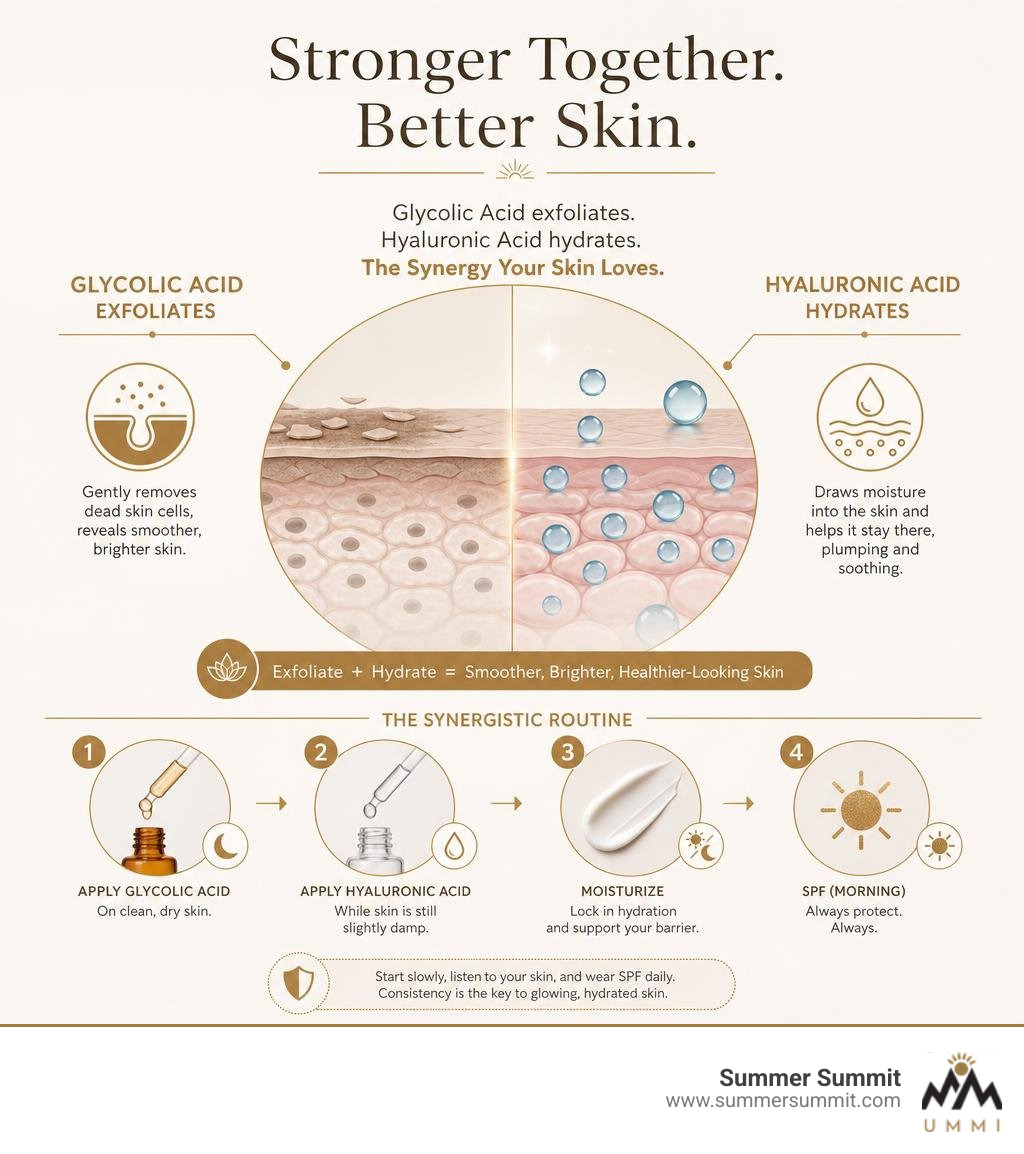
What Are Glycolic Acid and Hyaluronic Acid?
To understand why a glycolic acid and hyaluronic acid serum is such a game-changer, we first need to look at what these two powerhouses do individually. They are polar opposites in the best way possible: one is a master of sweeping away the old, while the other is a champion at retaining the new.
| Feature | Glycolic Acid | Hyaluronic Acid |
|---|---|---|
| Category | Alpha Hydroxy Acid (AHA) | Humectant |
| Primary Function | Chemical exfoliation & cell renewal | Intense hydration & moisture retention |
| How It Works | Dissolves cellular "glue" to shed dead skin | Attracts and binds water molecules to skin cells |
| Skin Benefits | Brightens, smooths texture, fades dark spots | Plumps skin, reduces dehydration lines, calms |
| Source | Derived from sugarcane (or synthesized) | Naturally occurring in the body (joints, eyes, skin) |
The Exfoliating Power of Glycolic Acid
Glycolic acid is the undisputed superstar of the alpha hydroxy acid (AHA) family. If you want to dive deep into how AHAs function across different skin types, check out our guide on Alpha Hydroxy In Skin Care.
Because glycolic acid has the smallest molecular size of all AHAs, it penetrates the epidermis more rapidly and deeply than larger acids like lactic or mandelic acid. Once inside, it goes to work dissolving the microscopic "glue" (desmosomes) holding dead, dull skin cells together on the surface.
So, What Does An Exfoliant Do To My Skin? It forces your skin to kick its natural renewal process into overdrive. Under normal circumstances, your skin cells renew every 28 to 40 days. However, clinical studies show that using glycolic acid at a 5% to 10% concentration can increase skin cell turnover by up to 34% after just 4 weeks of consistent use.
This rapid cellular turnover translates to a dramatic reduction in hyperpigmentation and dullness. In fact, clinical research indicates that a 10% glycolic acid concentration improves skin brightness and reduces hyperpigmentation in 76% of study participants after 12 weeks of use.
The Hydrating Power of Hyaluronic Acid
While glycolic acid is clearing away the old, hyaluronic acid is busy comforting and rebuilding the new. Hyaluronic acid is not an exfoliating acid; it is a humectant. It is a sugary molecule naturally found in high concentrations within our skin, joints, and eyes, though our natural levels drop steadily as we age.
To understand the science behind this incredible molecule, read our article on What's With The Hype About Hyaluronic Acid (HA).
The headline statistic that everyone loves to quote is entirely true: hyaluronic acid can hold up to 1,000 times its weight in water. It acts like a microscopic sponge, pulling moisture from the surrounding air (and from the deeper layers of your dermis) and locking it into the skin's surface.
This massive moisture influx has an immediate, visible effect on aging skin. Topical application of hyaluronic acid has been clinically proven to reduce wrinkle depth by up to 40% after 8 weeks of consistent use. By rehydrating the skin barrier, it fills out the tiny "dehydration lines" that we often mistake for permanent wrinkles. For a closer look at these benefits, check out the Surprising Benefits Of Hyaluronic Acid Serum For Your Skin.
Can You Use a Glycolic Acid and Hyaluronic Acid Serum Together?
The short answer is a resounding yes! In fact, they are one of the most harmonious duos in modern dermatology.
Many people see the word "acid" on both labels and assume that mixing them will lead to a red, peeling disaster. But because they play entirely different roles—glycolic acid exfoliates while hyaluronic acid hydrates—they do not compete. Instead, they balance each other out beautifully.
Why Exfoliation Prepares Skin for Hydration
Think of your skin like a dry, dusty sponge. If you pour water onto a sponge covered in a thick layer of dust, the water will pool on top and slide off. But if you sweep away the dust first, the sponge absorbs the water instantly.
This is exactly what happens when you combine these two ingredients. The Benefits Of Exfoliating go far beyond just removing dead skin cells; exfoliation literally clears the path for the rest of your skincare routine. By dissolving the dead, dry layer of cells on your stratum corneum, glycolic acid allows your hyaluronic acid serum to penetrate much deeper and more effectively, rather than sitting uselessly on the surface of your skin.
How a Combined Glycolic Acid and Hyaluronic Acid Serum Prevents Dryness
The primary downside of glycolic acid is that chemical exfoliation can sometimes leave the skin barrier feeling temporarily vulnerable, dry, or slightly tight. This is where hyaluronic acid steps in as the ultimate peacekeeper.
By immediately layering hyaluronic acid after your glycolic acid application, you flood the freshly exfoliated skin with deep, soothing hydration. This dual-action approach mitigates the potential irritation, redness, and dryness commonly associated with AHAs, ensuring your skin barrier remains strong, comfortable, and resilient.
Skin Concerns Targeted by This Powerful Duo

When you use a glycolic acid and hyaluronic acid serum combination, you are targeting multiple layers of skin tissue simultaneously. This makes the duo highly effective for a wide range of common skin concerns:
- Fine Lines and Wrinkles: Glycolic acid stimulates collagen production over time, while hyaluronic acid immediately plumps up surface lines.
- Dullness and Lack of Radiance: The exfoliating action reveals fresh, light-reflecting skin cells, while hydration gives that sought-after "dewy" glow.
- Acne Scars and Hyperpigmentation: Glycolic acid helps fade dark spots and post-inflammatory erythema by shedding pigmented cells faster.
- Uneven Skin Texture and Enlarged Pores: Clearing out dead skin debris prevents pores from stretching out and smooths rough patches. If you want a deeper look at how exfoliation renewal works on a clinical level, read our guide on Skin Peels Explained.
Side Effects, Precautions, and Best Practices
While this combination is highly beneficial, active ingredients must always be treated with respect. Keep these essential precautions in mind:
- Sun Sensitivity: Glycolic acid increases your skin's sensitivity to UV rays (photosensitivity). You must apply a broad-spectrum SPF 30+ every morning when using glycolic acid in your routine.
- Introduce Slowly: If you are new to glycolic acid, do not jump into daily application. Start by using it 2 to 3 nights a week, and gradually increase frequency as your skin builds tolerance.
- Avoid Over-Exfoliation: Do not mix glycolic acid with other strong chemical exfoliants (like salicylic acid/BHAs) or retinoids in the same application step unless formulated together, as this can severely damage your skin barrier.
- Patch Testing: Always patch-test a new glycolic acid product on a small area of your jawline or inner arm before applying it to your entire face.
How to Layer Glycolic Acid and Hyaluronic Acid Serums
To get the absolute most out of these two ingredients, the order of application is critical. Applying them in the wrong sequence can render them ineffective or cause unnecessary irritation.
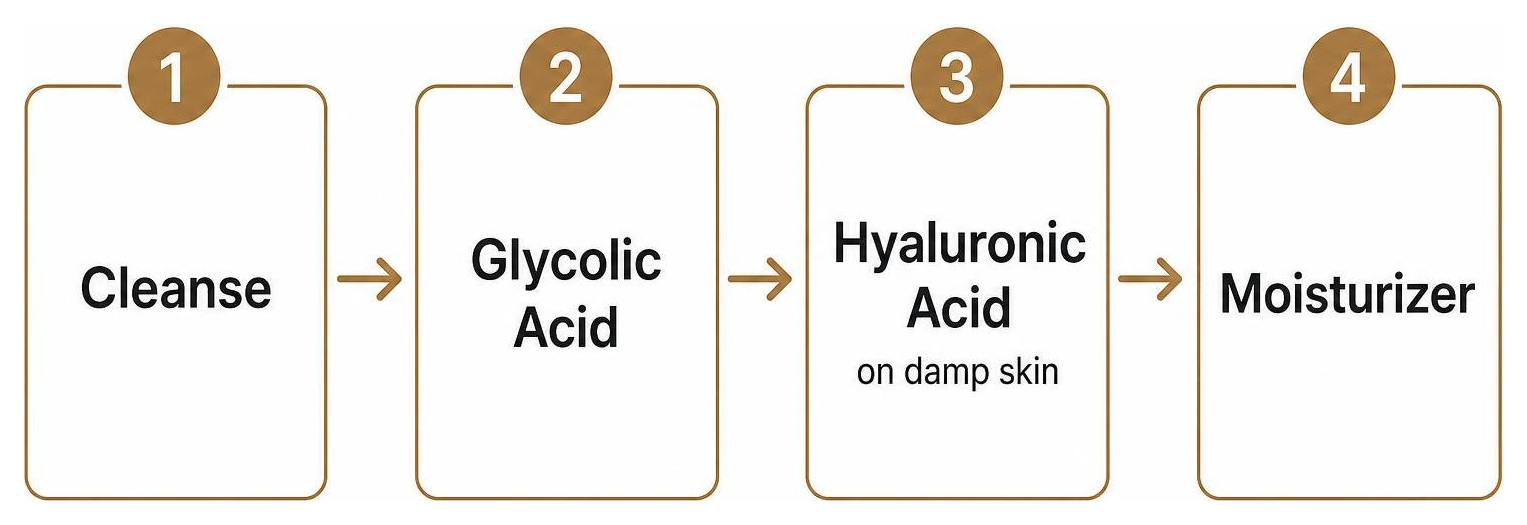
As a golden rule of skincare, you should always apply your products from thinnest to thickest consistency, and from lowest pH to highest pH. For a complete look at how to structure your daily regimen, read our Cleanse Then Exfoliate Complete Guide.
Step 1: Cleanse and Exfoliate
Before applying any active serums, your skin must be completely clean and free of makeup, excess sebum, and daily pollutants. Use a gentle, pH-balanced cleanser that won't strip your skin barrier.
To learn how to properly prepare your canvas, read Clean And Exfoliate. Once washed, gently pat your face dry with a clean towel. Glycolic acid performs best on completely dry skin; applying it to damp skin can cause it to penetrate too rapidly, increasing the risk of irritation.
Step 2: Apply Your Glycolic Gel Brightening Serum
Now it's time for your active exfoliation. Apply a few drops of our dermatologist-formulated Glycolic Gel Brightening Serum or the Flawless Complexion Glycolic Gel to your fingertips and gently press it into your face and neck, avoiding the sensitive eye area.
Allow the glycolic acid to absorb fully. We recommend waiting about 1 to 2 minutes. This brief pause allows the acid to work at its optimal low pH level to dissolve dead skin bonds without being immediately neutralized by your next product.
Step 3: Layer Your Hyaluronic Acid Serum
Once your glycolic acid has settled, lightly mist your face with water or a thermal spray, or leave it slightly damp. Hyaluronic acid is a humectant that requires moisture to bind to; if applied to bone-dry skin in a dry environment, it can actually pull moisture out of the deeper layers of your skin.
Apply your hyaluronic acid serum directly onto the damp skin. For a detailed breakdown of how to seamlessly integrate this step, read How Hyaluronic Acid Fits Into Your Skincare Routine. Follow up immediately with your favorite moisturizer to lock in all that freshly captured water and seal your skin barrier.
Frequently Asked Questions
Can I Use a Glycolic Acid and Hyaluronic Acid Serum Every Day?
The answer depends entirely on your skin type and tolerance.
Hyaluronic acid is a gentle, restorative ingredient that can—and should—be used twice daily, every single day.
Glycolic acid, however, is a potent active. While oily and resilient skin types may tolerate daily glycolic acid use, those with dry, normal, or sensitive skin should limit glycolic acid to 2 to 3 times per week. Always listen to your skin: if you notice redness, flaking, or a stinging sensation when applying gentle moisturizers, scale back your glycolic acid usage immediately.
Which Ingredient Should I Apply First?
You should almost always apply glycolic acid first.
Because glycolic acid has a lower pH (typically between 3.0 and 4.0) and is designed to break down cellular debris, it needs direct contact with clean skin to do its job. Applying hyaluronic acid first would create a hydrating barrier that prevents the glycolic acid from penetrating effectively.
Exception: If you have highly sensitive skin that easily reacts to AHAs, you can apply a thin layer of hyaluronic acid first to act as a buffer, slowing down the absorption rate of the glycolic acid and minimizing potential irritation.
How Long Does It Take to See Results?
When starting this routine, you can expect to see two distinct phases of results:
- Immediate Results (Within 24 Hours): Thanks to the rapid plumping action of hyaluronic acid, your skin will look noticeably more hydrated, soft, and dewy almost instantly.
- Long-Term Results (4 to 12 Weeks): As we head through July 2026, consistent clinical tracking shows that the real magic of glycolic acid takes time. You will begin to notice a visible improvement in skin texture and brightness after about 4 weeks (one full cellular turnover cycle). By week 12, hyperpigmentation, acne scars, and fine lines will be visibly reduced. Consistency is your greatest ally!
Conclusion
Combining a glycolic acid and hyaluronic acid serum is one of the most effective, dermatologist-approved ways to achieve a smooth, glowing, and deeply hydrated complexion. By pairing the powerful cell-renewing exfoliation of glycolic acid with the intense moisture-binding capacity of hyaluronic acid, you get the absolute best of both worlds: fresh skin renewal without the dryness.
At Summer Summit, we believe in creating premium, clinically proven skincare that delivers professional results from the comfort of your home. Our dermatologist-formulated products are proudly cruelty-free and completely free of sulfates, parabens, and harmful irritants. We back everything we make with a 100% satisfaction guarantee and offer free shipping on all orders, so you can shop with absolute confidence.
Ready to transform your daily skincare routine and unlock your skin's natural glow? Discover the Hype About Hyaluronic Acid and find the perfect match for your skin's unique needs today!
Leave a comment