

Vitamin B5 for Skin: The Ultimate Guide to Panthenol
Why Panthenol Vitamin B5 for Skin Is One of the Most Effective Moisturizing Ingredients Available
Panthenol vitamin b5 for skin is a proven humectant and emollient that hydrates, soothes irritation, and helps repair a damaged skin barrier. Here is a quick summary of what it does:
- Hydrates deeply — draws moisture into the outer skin layer and locks it in
- Soothes irritation — calms redness, sensitivity, and post-treatment dryness
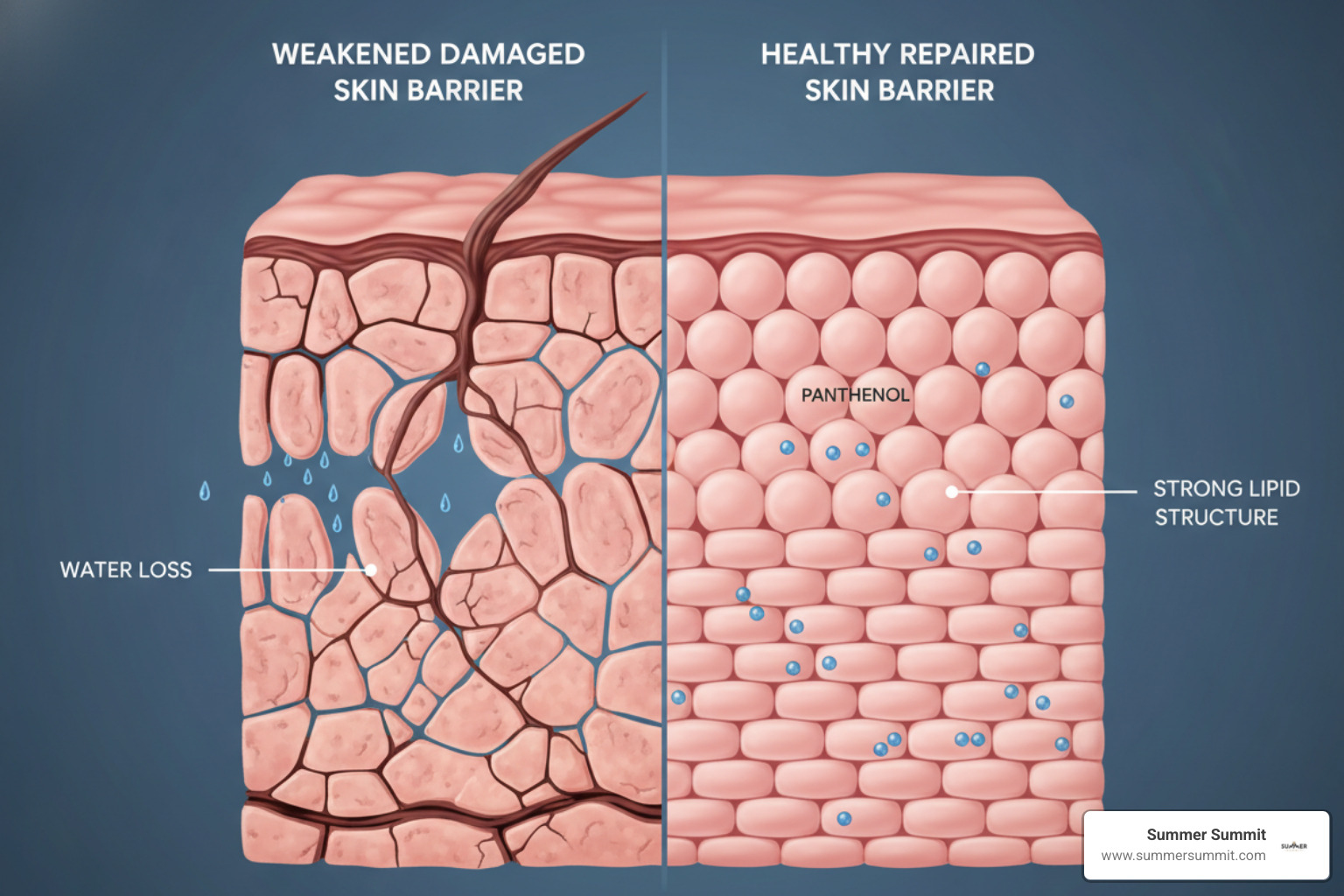
- Repairs the skin barrier — reduces water loss and strengthens the barrier against environmental stressors
- Safe for daily use — gentle enough for sensitive skin, pregnancy, and even babies
- Works in most product types — found in cleansers, serums, moisturizers, masks, and eye creams
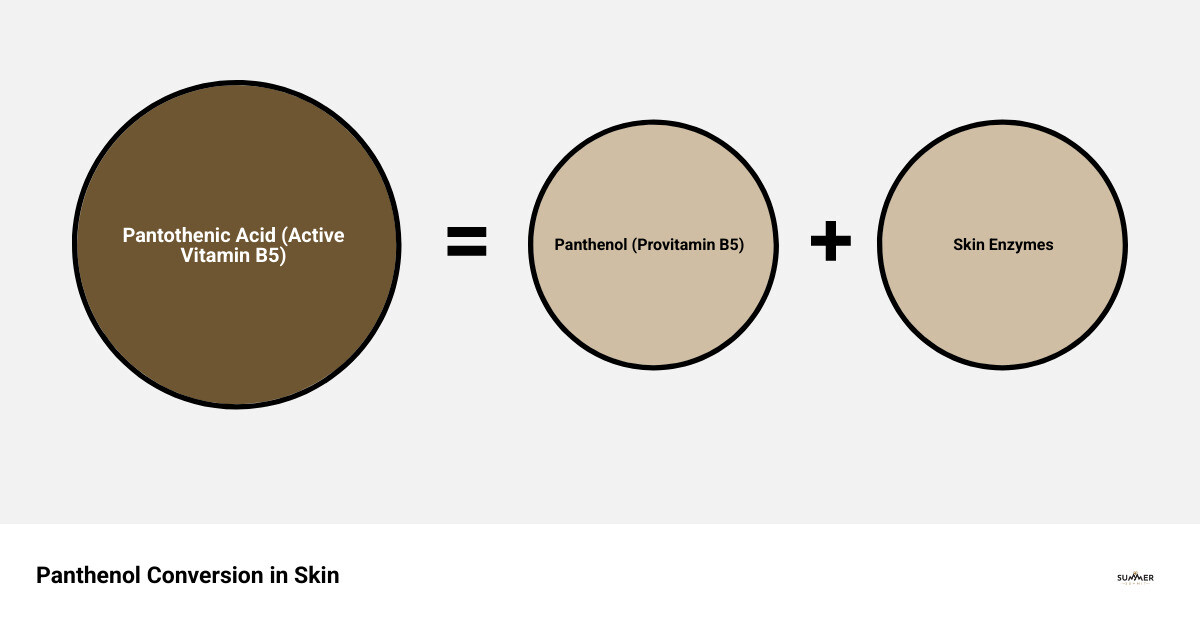
Panthenol is the stable, topical form of Vitamin B5. When applied to skin, it converts into pantothenic acid — the biologically active form your skin cells can actually use. Even at just 1% concentration, it has been shown to rapidly improve hydration and reduce transepidermal water loss.
It is not a flashy ingredient. It does not promise overnight transformations. But it consistently delivers real, measurable results — which is exactly why dermatologists keep recommending it.
I'm Robert McCann, founder of Summer Summit Skincare, and my work evaluating active ingredients and formulation standards has given me a close-up view of how panthenol vitamin b5 for skin performs across a wide range of skin types and product formats. In this guide, I'll break down the science clearly so you can make smarter choices for your routine.
What is Panthenol? The Science of Provitamin B5
As we navigate the skincare landscape of April 2026, many "trendy" ingredients have come and gone, but panthenol vitamin b5 for skin remains a cornerstone of effective formulation. To understand why, we have to look at the chemistry.
Panthenol is a provitamin, which means it is a precursor to a vitamin. Specifically, it is the alcohol form of Vitamin B5. In its raw state, it is a stable, transparent liquid (D-Panthenol) or a white powder (DL-Panthenol). Unlike the pure acid form of Vitamin B5, panthenol is highly stable in cosmetic formulations, meaning it won't degrade quickly on your bathroom shelf.
This molecule is essential for cellular metabolism. Because it is naturally found in our skin and hair, our bodies recognize it and know exactly what to do with it. You can learn more about its general properties in this overview of What Is Panthenol? The Hair and Skin Benefits of Vitamin B5.
The Difference Between Panthenol and Pantothenic Acid
While they are often used interchangeably in casual conversation, there is a technical difference. Pantothenic acid is the "active" form of Vitamin B5. It is found in every living cell and is vital for energy production. However, if we put pure pantothenic acid into a face cream, it wouldn't be very effective because it doesn't penetrate the skin well and is chemically unstable.
This is where panthenol vitamin b5 for skin shines. When you apply a product containing panthenol, your skin absorbs the molecule and then biologically converts it into pantothenic acid. This "slow-release" conversion ensures that your skin gets the active vitamin exactly where it needs it, supporting the metabolic processes that keep your complexion healthy.
How Panthenol Works as a Humectant and Emollient
One of the most unique things about panthenol is its dual-action nature. Most ingredients are either a humectant (water-magnet) or an emollient (skin-smoother). Panthenol is both.
| Property | Function | Benefit for Your Skin |
|---|---|---|
| Humectant | Binds water molecules | Draws moisture from the air and deeper skin layers into the stratum corneum. |
| Emollient | Fills gaps between cells | Smooths out dry patches and makes the skin feel supple and soft. |
Think of your skin barrier as a brick-and-mortar wall. Over time, environmental stress or harsh cleansers can create "potholes" in that wall. As an emollient, panthenol acts like a patch that fills in these potholes, creating a smoother surface. Simultaneously, as a humectant, it ensures the "bricks" stay hydrated and plump. This dual action is why we see such a significant reduction in transepidermal water loss (TEWL) when using this ingredient.
Key Benefits of Panthenol Vitamin B5 for Skin
The primary reason we prioritize panthenol vitamin b5 for skin at Summer Summit is its ability to support the skin's natural healing processes. It isn't just about surface-level moisture; it's about structural integrity.
Research has shown that panthenol-based formulations can boost skin barrier strength by up to 31%. By reinforcing the lipids and proteins that make up your barrier, panthenol helps protect you against allergens, bacteria, and pollutants. It also plays a role in collagen support and skin elasticity, which is essential for maintaining a youthful appearance as we age. For a deeper dive into these biological effects, see The Benefits of Vitamin B5 for Your Skin and Hair.
The Role of Panthenol Vitamin B5 for Skin Hydration
If your skin feels tight or looks dull, dehydration is likely the culprit. Even at a low concentration of just 1%, panthenol has been shown to rapidly hydrate the skin. Because it has a smaller molecular weight than some other humectants, it boasts impressive absorption rates.
In our experience, users notice a more supple, "bouncy" feel to their skin within just a few applications. This is because panthenol doesn't just sit on top of the skin; it integrates into the layers to improve moisture retention over the long term. You can read more about how this fits into a broader regimen at Panthenol (ProVitamin B5) and Your Skincare.
Soothing Irritation with Panthenol Vitamin B5 for Skin
Beyond hydration, panthenol is a powerhouse for calming "angry" skin. Whether you are dealing with redness from a new retinol, post-shave burn, or the chronic itchiness of eczema, panthenol provides immediate relief.
It acts as an anti-inflammatory, signaling the skin to calm down and begin the repair process. This makes it an excellent companion for acne treatments that might otherwise leave the skin flaky and irritated. For those with highly reactive complexions, looking for Vitamin B5 for Skin (Panthenol) in your ingredient list can be a game-changer for daily comfort.
How to Incorporate Panthenol into Your 2026 Routine
The beauty of panthenol vitamin b5 for skin is its versatility. It plays well with almost every other active ingredient, from Vitamin C to Hyaluronic Acid. In April 2026, the trend is "skin-minimalism"—using fewer products that work harder—and panthenol fits this perfectly.
For the best results, we recommend using panthenol-infused products both morning and night. Look for concentrations between 1% and 5% to see the most significant improvements in barrier function.
Pro Tip: Layer a panthenol serum under your moisturizer to "seal in" the humectant properties. If you use ceramides, you'll find that panthenol acts as a perfect partner, as the two work together to rebuild the skin's lipid bilayer.
Common Products Containing Vitamin B5
You don't need to look far to find this ingredient, but the format matters depending on your goal:
- Facial Cleansers: Helps prevent that "squeaky clean" tight feeling by protecting the barrier during washing.
- Hydrating Serums: Provides a concentrated dose of moisture that absorbs quickly.
- Barrier Creams: Usually contains higher concentrations (up to 5%) for intensive repair.
- Sheet Masks: Perfect for an 8-to-24-hour moisture boost. Some masks can increase barrier strength significantly in just one use.
You can explore different formulations and how they apply to your specific needs at Panthenol (ProVitamin B5) and Your Skincare.
Beyond the Face: Hair and Body Uses
While we often focus on the face, panthenol vitamin b5 for skin is just as effective for the rest of the body. In hair care, it acts as a powerful humectant that binds to the hair shaft, making it appear shinier and fuller while preventing brittleness.
It is also a staple in baby care. Because it is so gentle, it is frequently used in diaper rash creams and baby lotions to soothe dermatitis and protect delicate skin. Even for adults, it is a fantastic ingredient for strengthening brittle nails and soothing dry elbows or knees. For more on these diverse applications, check out Panthenol (Vitamin B5) - RainShadow Labs.
Safety and Suitability for All Skin Types
Is panthenol vitamin b5 for skin right for you? The short answer is almost certainly "yes." It is one of the few ingredients that is truly universal.
- Dry Skin: Benefits from the deep hydration and emollient smoothing.
- Oily Skin: It provides moisture without greasiness. Interestingly, oily skin is often dehydrated; panthenol fixes the water levels without adding excess oil.
- Sensitive Skin: Its anti-inflammatory properties make it a go-to for reducing redness.
The FDA classifies panthenol as "Generally Recognized as Safe" (GRAS), and it has a very low risk of irritation.
Is Panthenol Safe for Sensitive Skin and Pregnancy?
We are often asked about the safety of actives during pregnancy. Panthenol is widely regarded as safe for topical use during pregnancy and breastfeeding. It is hypoallergenic and non-comedogenic, meaning it won't clog pores or cause breakouts.
For those with chronic conditions like dermatitis, panthenol supports the skin's tolerance to other cosmetics, making it easier to maintain a routine without flare-ups.
Frequently Asked Questions about Vitamin B5
Can I use Panthenol every day?
Absolutely. In fact, we recommend it. Daily use helps maintain a consistent moisture balance and keeps your skin barrier resilient against daily environmental stressors like pollution or air conditioning.
Does Panthenol clog pores on oily skin?
No. Panthenol is non-comedogenic. Because it is a water-soluble provitamin, it hydrates the skin without the heavy, pore-clogging oils found in some other moisturizers. It’s actually ideal for "oily-dehydrated" skin types.
How long does it take to see results from Panthenol?
You will likely feel the hydrating effects immediately—skin often feels softer and more supple within minutes. For structural barrier repair and a visible reduction in redness or fine lines, consistent use over 2 to 4 weeks is typically required.
Conclusion
At Summer Summit, we believe that the best skincare is rooted in biology and backed by clinical evidence. Panthenol vitamin b5 for skin is a perfect example of an ingredient that works with your body, not against it. By converting to pantothenic acid, it provides the essential fuel your cells need to repair, hydrate, and protect themselves.
Our dermatologist-formulated products are designed to be cruelty-free and free of sulfates, parabens, and harmful irritants. We are so confident in the power of these formulations that we offer a 100% satisfaction guarantee and free shipping.
If you are ready to move beyond the hype and give your skin the structural support it deserves, Discover the latest in barrier-repair technology and see the difference that professional-grade Vitamin B5 can make for your complexion.
Dejar un comentario