

Why Your Skin Craves This Acid Power Couple
Why a Salicylic Acid and Hyaluronic Acid Face Wash Works Better Than Either Ingredient Alone
A salicylic acid and hyaluronic acid face wash does two things at once: it clears clogged pores and keeps your skin hydrated — without the tight, stripped feeling that most acne cleansers leave behind.
Quick answer for people short on time:
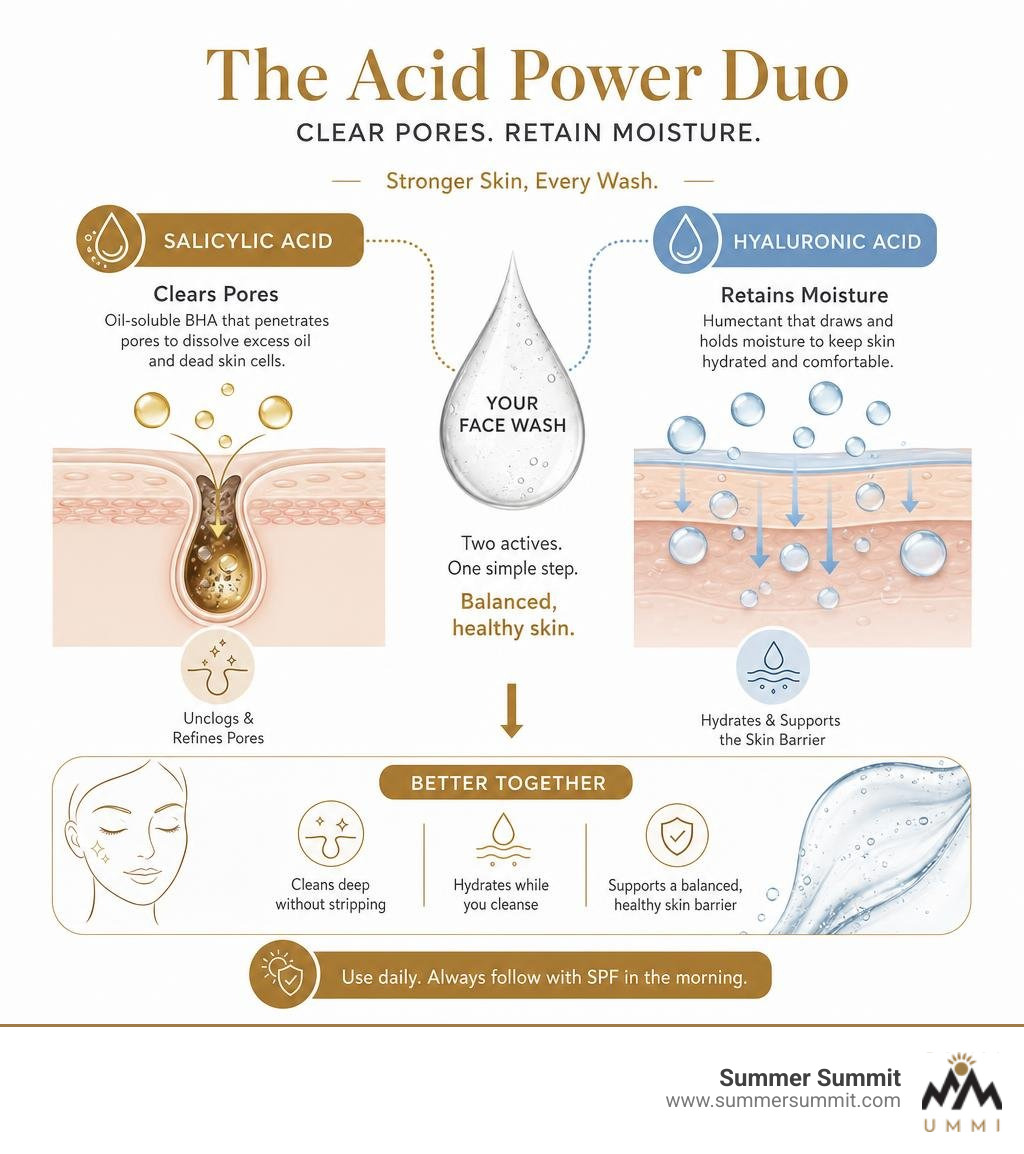
- Salicylic acid is an oil-soluble BHA that penetrates deep into pores to dissolve excess oil and dead skin cells
- Hyaluronic acid is a humectant that draws moisture into the skin to prevent dryness and maintain a healthy barrier
- Together in one face wash, they let you exfoliate and hydrate in a single step — ideal for acne-prone, oily, or combination skin
- Safe for daily use for most skin types when formulated at the right concentration (0.5%–2% salicylic acid)
- Always follow with SPF in the morning, as salicylic acid increases sun sensitivity
Most acne cleansers work by aggressively stripping oil — and they take your skin's moisture with it. That trade-off frustrates a lot of people. You clear a breakout, but now your face feels dry and irritated.
The pairing of these two ingredients solves that problem directly. Salicylic acid goes to work inside the pore. Hyaluronic acid keeps the surface hydrated. Neither one cancels the other out — they complement each other.
I'm Robert McCann, founder of Summer Summit Skincare, and I've spent years working directly with laboratories on evidence-based formulations, including developing a salicylic acid and hyaluronic acid face wash designed to deliver real pore-clearing results without compromising the skin barrier. Let's break down exactly how this ingredient combination works and what to look for in a cleanser.
The Science Behind a Salicylic Acid and Hyaluronic Acid Face Wash
To understand why this combination is a game-changer, we have to look at how these two ingredients interact. Think of your skin as a brick-and-mortar structure. The "bricks" are your skin cells, and the "mortar" is the lipid barrier holding them together. When excess sebum (oil) and dead skin cells get trapped in the mortar, breakouts occur.
| Feature | Salicylic Acid (BHA) | Hyaluronic Acid (HA) |
|---|---|---|
| Primary Function | Chemical exfoliation & pore clearing | Intense hydration & moisture retention |
| Solubility | Oil-soluble (penetrates sebum) | Water-soluble (binds water) |
| Target Area | Inside the pores and skin surface | Stratum corneum (outer skin layer) |
| Skin Benefit | Reduces acne, blackheads, and excess oil | Plumps skin, smooths texture, repairs barrier |
| Source | Naturally derived from willow bark | Naturally occurring molecule in the body |
By combining these two actives in a single, cohesive formula, you get the best of both worlds. The salicylic acid exfoliates without causing a drought, while the hyaluronic acid hydrates without clogging your freshly cleared pores. This synergy is exactly what makes a dual-action wash a top rated face cleanser for anyone looking to achieve clear, balanced skin.
How Salicylic Acid Clears Your Pores
Salicylic acid is a Beta Hydroxy Acid (BHA) naturally derived from willow bark. Because it is oil-soluble, it has the unique ability to bypass surface moisture and dissolve the sticky sebum that binds dead skin cells together inside your pores.
While Alpha Hydroxy Acids (AHAs) like glycolic acid work primarily on the skin's surface, BHAs dive deep. Once inside the pore, salicylic acid breaks down the debris that causes blackheads, whiteheads, and active acne blemishes.
The FDA approves salicylic acid up to a 2% concentration for over-the-counter acne treatments. In wash-off formulations, concentrations typically range from a gentle 0.5% (ideal for sensitive skin) to a maximum-strength 2% (perfect for oily and acne-prone skin). Understanding the relationship between salicylic acid and your skin is key to choosing the right strength for your personal goals.
Why Hyaluronic Acid is Essential for Hydration
If salicylic acid is the deep-clean specialist, hyaluronic acid is the hydration hero. Hyaluronic acid is a powerful humectant naturally produced by our bodies. It is famous for its mind-boggling ability to hold up to 1,000 times its weight in water.
When applied to the skin, it draws moisture from the air and the deeper layers of your dermis into the stratum corneum, instantly plumping the skin and smoothing out fine lines. In an exfoliating face wash, hyaluronic acid acts as a crucial buffer. It counteracts the potential drying effects of the BHA, ensuring that your skin barrier remains intact, resilient, and soft to the touch. You can read more about what's with the hype about hyaluronic acid (HA) to see why this molecule is a staple in modern dermatology.
Who Benefits Most from a Salicylic Acid and Hyaluronic Acid Face Wash?
This formulation is incredibly versatile, but it is especially beneficial for three specific skin profiles:
- Acne-Prone Skin: It targets active breakouts and prevents future blemishes by keeping pores clear of bacteria and excess oil.
- Combination Skin: It regulates sebum production in the oily T-zone while maintaining essential moisture on the dry cheeks. If this sounds like your skin, check out our guide on the best salicylic acid face wash for combination skin.
- Sensitive Skin: Traditional acne washes can trigger redness and flaking. The soothing, water-binding properties of hyaluronic acid buffer the exfoliating action of the BHA, making it gentle enough for easily irritated complexions.
How to Use This Power Couple in Your Daily Routine
Integrating a salicylic acid and hyaluronic acid face wash into your daily regimen is simple, but consistency and proper technique are key to seeing lasting results.
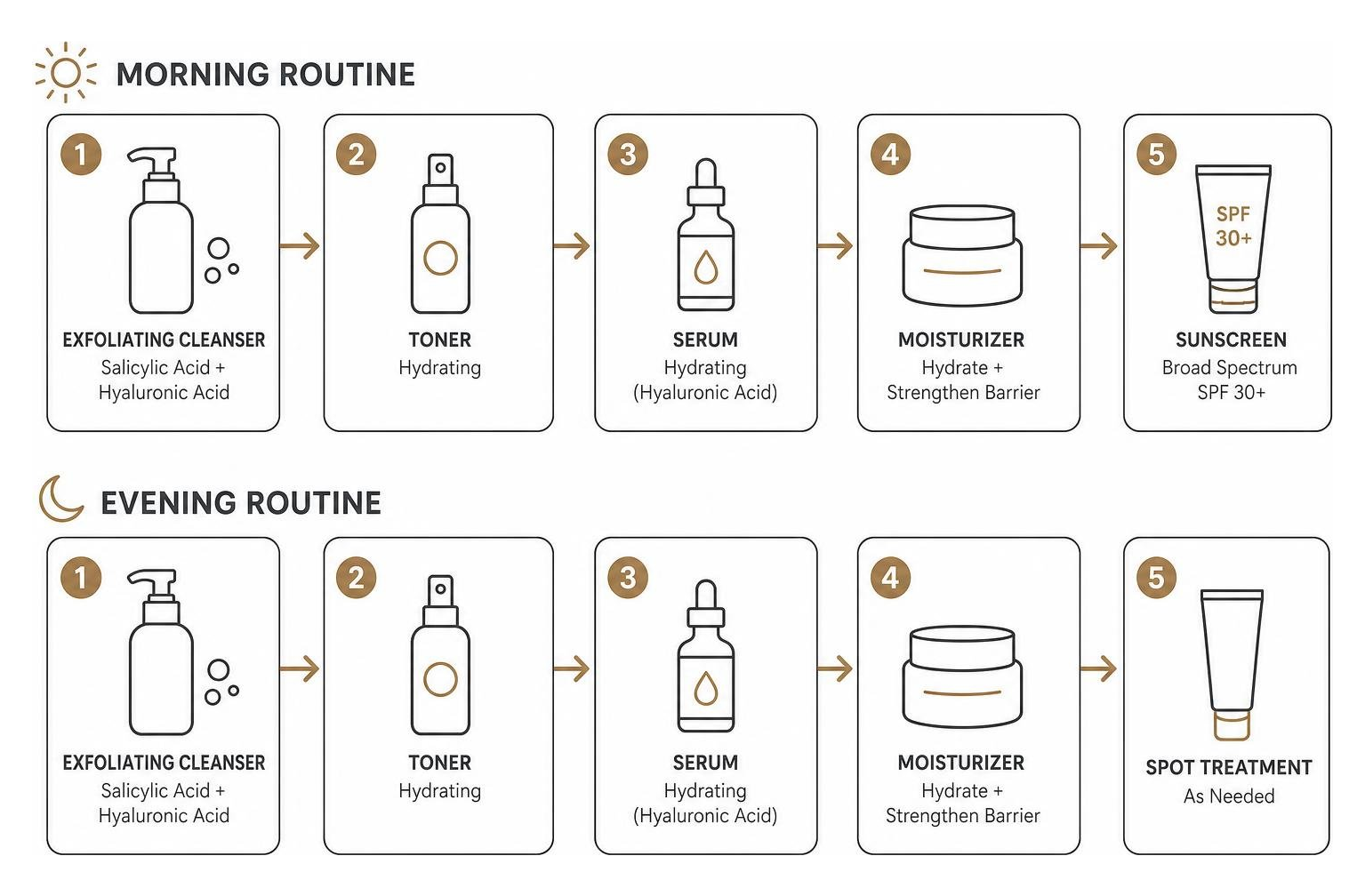
Because salicylic acid removes dead skin cells, it reveals fresh, new skin that is more vulnerable to UV damage. Therefore, daily application of a broad-spectrum sunscreen with an SPF of 30 or higher is highly recommended during your morning routine.
While oily skin types can often tolerate using this face wash twice daily (morning and night), those with dry or highly sensitive skin should start by using it two to three times a week, gradually increasing frequency as their skin builds tolerance.
Step-by-Step Guide to Using a Salicylic Acid and Hyaluronic Acid Face Wash
To get the absolute most out of your cleanser, follow this dermatologist-approved washing method:
- Wet Your Face: Splash your skin with lukewarm water. Avoid hot water, which can strip away your natural lipid barrier.
- Apply and Lather: Squeeze a dime-sized amount of the cleanser into your palms. Add a little water to build a gentle foam.
- Massage Gently: Work the lather onto your skin using soft, circular motions. Focus on areas prone to breakouts and excess oil, such as your nose, forehead, and chin. Do not scrub aggressively; let the chemical exfoliants do the heavy lifting!
- Optimize Contact Time: Instead of rinsing immediately, let the cleanser sit on your face for 1 to 2 minutes. This brief pause allows the salicylic acid to penetrate your pores and gives the hyaluronic acid time to bind moisture to the surface.
- Rinse and Pat Dry: Rinse thoroughly with lukewarm water and gently pat your face dry with a clean towel.
- Follow Up: Immediately apply your favorite serums and moisturizers to lock in the hydration. For a deeper look at layering, explore how hyaluronic acid fits into your skincare routine.
Potential Side Effects and Precautions
While this combination is formulated to minimize irritation, introducing any active chemical exfoliant can occasionally cause mild side effects:
- Skin Purging: When you first start using a BHA, it accelerates skin cell turnover. This can push underlying congestion to the surface, causing temporary breakouts. This "purge" typically resolves within two to four weeks, revealing much clearer skin beneath.
- Dryness or Flaking: If your skin begins to peel or feel uncomfortably tight, simply reduce your usage to once a day or every other day until your skin adjusts.
- Patch Testing: We always recommend conducting a quick patch test on your upper forearm for 15 to 30 minutes before applying any new product to your face to ensure you don't have an underlying sensitivity.
What to Look For in a Salicylic Acid and Hyaluronic Acid Cleanser
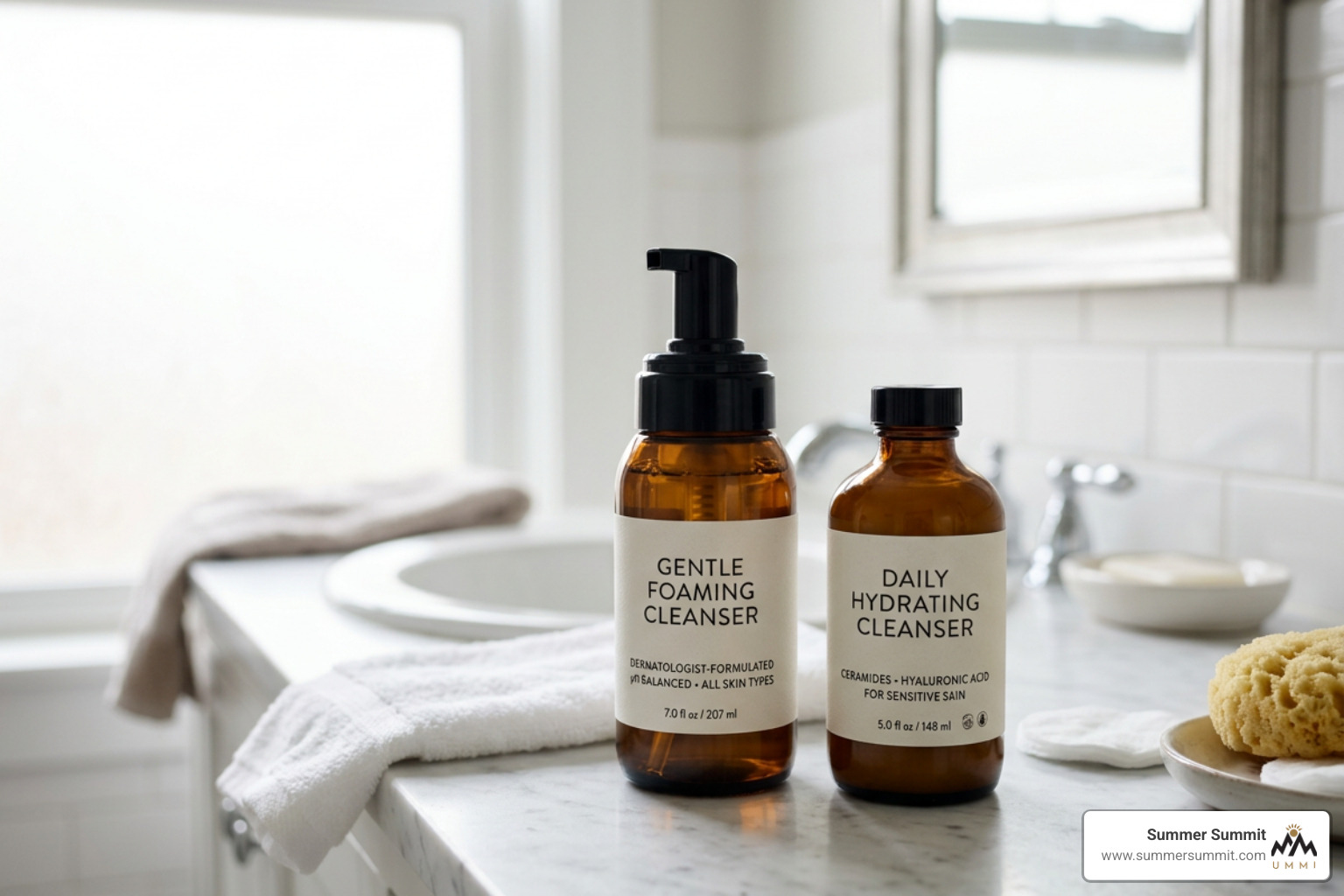
Many mass-market options rely on harsh, cheap surfactants like Sodium Lauryl Sulfate (SLS) to create a bubbly lather. Unfortunately, these sulfates strip the skin of its natural oils, defeating the hydrating purpose of the hyaluronic acid. Instead, look for soap-free, sulfate-free foaming agents derived from coconut or amino acids, which cleanse gently without disrupting your pH balance.
Key Features of Dermatologist-Tested Cleansers
To ensure you are getting a premium, effective formulation, look for these key features:
- Balanced pH (4.0 - 5.5): Salicylic acid requires an acidic environment to effectively penetrate pores, while a pH within this range keeps your skin barrier happy and healthy.
- Optimal Concentrations: Look for formulas that clearly state their active percentages. A 0.5% to 2% salicylic acid concentration is the clinical sweet spot.
- Synergistic Inactives: Look for formulas that include supporting ingredients like niacinamide (to soothe redness) or botanical extracts like green tea and aloe vera.
- Cruelty-Free and Clean Standards: At Summer Summit, we believe you shouldn't have to compromise your ethics for clinical results. Our formulations are 100% cruelty-free, vegan, and completely free of sulfates, parabens, and artificial fragrances.
When choosing a cleanser, keep in mind that many mass-market brands are not cruelty-free or may contain hidden irritants—a major reason why we developed our own clean, compassionate alternatives that prioritize both skin health and ethical standards.
Frequently Asked Questions

Can I use salicylic acid and hyaluronic acid together every day?
Yes, absolutely! Because hyaluronic acid acts as a hydrating buffer, a well-formulated salicylic acid and hyaluronic acid face wash is gentle enough for daily use. However, everyone's skin tolerance is unique. If you have sensitive or dry skin, start by using the cleanser every other day and slowly work your way up to daily use. For a deeper dive into daily BHA cleansing, check out our Salicylic Acid Face Wash Complete Guide.
Can I use retinol after washing with this cleanser?
Yes, but you should proceed with caution to avoid over-stripping your skin. Because both salicylic acid and retinol promote cell turnover, using them at the exact same moment can sometimes lead to irritation.
The safest approach is to split them up: use your salicylic acid cleanser in the morning to clear daytime oils, and apply your retinol treatment in the evening on a freshly washed, gentle-cleanser base.
What should I do if my skin gets too dry?
If you experience dryness, flaking, or a stinging sensation, your skin is telling you to slow down. Reduce your cleanser usage to two or three times a week.
Additionally, make sure you are applying a generous layer of a barrier-repairing moisturizer immediately after washing to seal in the hydration provided by the hyaluronic acid.
Conclusion
Finding the perfect balance between clearing acne and maintaining healthy hydration doesn't have to be a frustrating guessing game. By combining the deep-cleaning power of salicylic acid with the intense moisture of hyaluronic acid, you can achieve a clear, glowing complexion without sacrificing your skin's protective barrier.
At Summer Summit, we are dedicated to developing premium, clinically-proven skincare solutions that deliver real results. Our dermatologist-formulated products are 100% cruelty-free, vegan, and entirely free of sulfates, parabens, and common irritants. We back everything we make with a 100% satisfaction guarantee and offer free shipping directly to your door.
Ready to upgrade your daily wash and experience the difference of a balanced, clean formulation? Explore our guide on why your skin will love this active pairing by reading Yikes, There's Salicylic Acid in My Skincare! and start your journey toward healthier, happier skin today.
Leave a comment